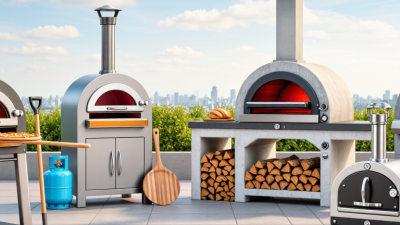
Choosing a pizza oven for a fireplace starts with the fireplace itself. Measure the opening, hearth depth, and clear space around the fire. A compact oven may fit neatly but leave little room to turn a peel. A larger model may promise generous cooking space yet sit awkwardly inside the hearth. Fit matters more than impressive product photos.
Look beyond the oven’s advertised temperature. Check how it is fueled, how heat reaches the cooking floor, and whether its materials suit repeated high heat. The chimney and fireplace must also draw smoke effectively. A smoky room is not a minor inconvenience. It can make an otherwise excellent oven unpleasant to use. When comparing options, consult a qualified fireplace or masonry professional about your specific installation; online dimensions cannot confirm that a hearth is suitable.
Pizza chef Tony Gemignani is a recognized pizza expert, but I cannot verify a direct quotation from him about choosing a fireplace oven. Rather than invent one, use this practical rule: “Choose for your hearth first, and your preferred pizza style second.” Treat it as an editorial takeaway, not a quote from Gemignani. That distinction matters. This guide will help you compare size, heat performance, materials, ventilation, and everyday usability, while flagging details that product listings often gloss over. A little doubt is useful here: the oven that looks perfect in a photograph may not work in your fireplace.
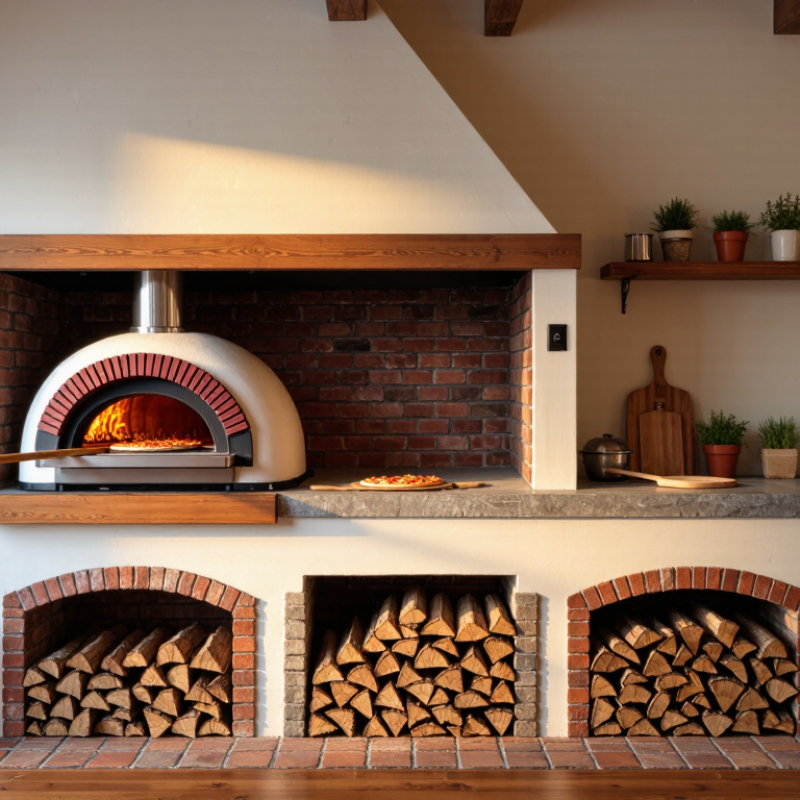
Before choosing an oven, measure the fireplace opening at its narrowest point. Check the width near the floor and again higher up; old masonry is often uneven. Measure the opening’s height from the hearth to the lowest obstruction, then record the usable depth. Small differences matter. Include handles, legs, and any flue pipe when comparing these dimensions with an oven’s full footprint. A paper or cardboard outline can help reveal awkward overhangs before anything is moved.
The hearth needs equal attention. Measure its width and depth, and check whether the surface is level, stable, and suitable for the oven’s weight and heat. Look for loose tiles, cracked stone, or a wooden edge close to the cooking area. Do not guess. A tape measure cannot tell you whether a chimney draws properly or whether surrounding materials tolerate heat. Check the oven maker’s installation and clearance requirements, and ask a qualified fireplace professional when the fit or venting is uncertain. I would recheck each measurement; a second reading often exposes a small mistake.
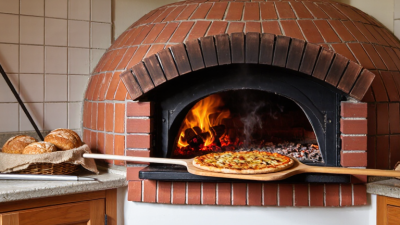
When choosing a pizza oven for a fireplace, set your heat target before comparing oven size or appearance. AVPN-style Neapolitan pizza ovens operate at 430–480°C. This intense heat helps cook a thin pizza quickly, with a blistered rim and a tender center. Not every fireplace can maintain that range evenly.
Check the oven’s stated operating temperature and how it is measured. A heat-resistant infrared thermometer can help you read the cooking surface, but take readings in several spots. The center may be ready while the area near the entrance remains cooler. A number alone can mislead. Watch how the heat recovers after each pizza, too; frequent temperature drops can slow cooking and produce uneven results.
Fireplace design matters. Confirm that the opening can accommodate the oven and that smoke has a clear route into the flue. Ask a qualified installer to assess clearances, support, and ventilation before fitting a high-temperature appliance. I would not chase the maximum reading alone. Stable heat, a balanced floor temperature, and enough room to turn a pizza are more useful in daily cooking. Some details are easy to miss until the first busy evening.
Choose fuel only after checking the fireplace opening, chimney condition, and available gas connection. Wood gives a live flame and smoky flavor, but it needs a dependable draft and a flue suitable for the oven’s heat and exhaust. A chimney built for room heating may not be suitable. Gas is easier to control, yet the oven still needs the venting specified for its design. Some models use a flue; others require mechanical exhaust. Never assume an existing fireplace hood or chimney is enough.
Venting is a safety decision, not a finishing detail. NFPA’s Home Cooking Fires report found an average of 158,400 U.S. home structure fires involving cooking equipment each year from 2017 to 2021. That broad figure is not specific to pizza ovens, but it reinforces the need for proper installation and clearances. Have a qualified installer assess the flue, nearby combustibles, and air supply before choosing an oven. The small details matter: smoke staining above the opening can signal poor draw.
Tips: Match the oven’s installation manual to your fireplace before buying. Ask whether the appliance needs a dedicated flue, a hood, or both. For wood, check draft with a small test fire only after installation approval. For gas, confirm the fuel connection and exhaust route. A little uncertainty is useful here; fireplace setups differ more than product photos suggest.
A pizza oven may fit inside a fireplace, but physical fit does not prove safe operation. Check the fireplace opening, hearth depth, chimney condition, and flue draft before choosing an oven. NFPA 211 calls for chimneys, fireplaces, and vents to be inspected at least annually, and cleaned or repaired when needed. Its guidance is a useful safety baseline, not a substitute for checking local requirements or the oven maker’s instructions.
The stakes are real. NFPA’s Home Heating Fires report, covering 2016–2020, estimated an annual average of 44,210 home heating equipment fires in the United States. A pizza oven can change how heat and smoke move through an existing fireplace. Have a qualified chimney professional assess clearances, the flue, and the proposed fuel. Ask whether smoke could spill into the room or hot gases could damage nearby masonry. A clean-looking hearth can still hide a draft problem. I would not assume an old fireplace is ready just because it once burned logs.
Tips: Before buying, measure the opening and hearth, then share those measurements with the installer. Request an inspection record and ask what changes, if any, are needed. Keep the oven’s operating instructions nearby. Do not guess about clearances.
Use this checklist before selecting or installing a pizza oven in or near a fireplace. NFPA 211 addresses chimneys, fireplaces, vents, and solid-fuel appliances; it does not establish a universal approval or clearance for every pizza oven. Confirm the current code requirements with your local authority having jurisdiction (AHJ).
| Decision area | What to verify | Safer selection indicator | When to stop and get expert help |
|---|---|---|---|
| Oven type and intended use | Check whether the oven is designed and listed or otherwise approved for indoor use, fireplace installation, and the intended fuel. Follow its installation and operating instructions. | Documentation explicitly covers the proposed indoor location and installation. | The oven is intended for outdoor use only, or its instructions do not address indoor fireplace use. |
| Fireplace condition | Have the firebox, hearth, damper, and visible masonry checked for damage, unsafe alterations, or combustible materials in prohibited locations. | The fireplace is in serviceable condition and suitable for the proposed installation, as confirmed by a qualified professional. | There are cracks, loose masonry, damaged firebrick, evidence of overheating, or unknown prior modifications. |
| Chimney and flue | Confirm the chimney and flue are appropriate for the appliance and fuel, unobstructed, and in sound condition. Check that smoke can draft outdoors without spilling into the room. | A qualified chimney professional confirms suitability, condition, and proper venting for the specific setup. | The flue is shared, blocked, damaged, undersized, or its compatibility with the oven is uncertain. |
| Inspection and cleaning | Arrange an inspection before installation and keep up with inspections and cleaning based on use, fuel, and professional recommendations. NFPA 211 provides guidance for chimney and fireplace inspection and maintenance. | Inspection findings are documented, and any required repairs or cleaning are completed. | The chimney has not been inspected, has a significant creosote deposit, or has unresolved defects. |
| Clearances and hearth protection | Compare the oven’s required clearances and floor protection with the fireplace opening, hearth, mantel, walls, and nearby combustibles. Do not assume existing fireplace clearances automatically apply. | The exact installation meets the oven instructions and applicable local requirements. | Required clearances or ember protection cannot be established or maintained. |
| Installation and modification | Determine whether a hearth extension, liner, connector, enclosure, or other change is needed. Obtain permits or approvals when required before altering the fireplace or chimney. | The proposed work is reviewed by the AHJ and completed by qualified installers where required. | The installation requires unapproved masonry, flue, or structural changes. |
| Combustion air and indoor air quality | Check that the room can supply adequate combustion air and that the installation does not cause smoke spillage or interfere with other exhaust appliances. | Draft and ventilation are verified under expected operating conditions. | Smoke enters the room, draft reverses, or exhaust fans affect fireplace operation. |
| Fire and carbon monoxide protection | Maintain working smoke alarms and carbon monoxide alarms as required by local rules and their manufacturers. Keep suitable fire-extinguishing equipment accessible and follow the oven instructions. | Alarms are installed, tested, and maintained; household members know the emergency plan. | Required alarms are missing, malfunctioning, or placed contrary to applicable guidance. |
| Fuel and operation | Use only the fuel permitted by the oven instructions. Follow rules for loading, lighting, cooking, ash handling, and cooling; never leave an operating fire unattended. | Fuel and operating procedures are clear, and hot ash can be handled and stored safely. | Fuel type is uncertain, the oven cannot be safely monitored, or hot ash would be discarded unsafely. |
| Final approval | Ask the local building or fire official which adopted codes and permits apply. Verify the current edition of NFPA 211 and any referenced requirements with the AHJ. | The installation has the required approvals and professional sign-off before use. | Approval, code applicability, or appliance compatibility remains unresolved. |
Safety note: This checklist is general information, not a substitute for the oven’s installation instructions, a site inspection, or local code approval. Requirements vary by jurisdiction and installation.
For AVPN-style Neapolitan pizza, a 60–90-second bake is a useful performance benchmark. It depends on intense, balanced heat, not simply a large flame. The oven floor must cook the base while heat from the dome sets the toppings and puffs the rim. That is fast. A cooler floor can leave the center soft; an overheated floor may scorch the bottom before the crust is ready.
When comparing ovens for a fireplace, look for stable floor and dome temperatures, plus quick recovery between pizzas. A thermometer helps check the cooking surface, while a small test pizza reveals uneven hot spots. Watch the rim: it should blister and rise, not stay pale or turn black. Actual results vary with dough, toppings, fuel, and how the fire is managed, so treat the stopwatch as a guide rather than a guarantee.
Check that the oven fits the fireplace opening and that its flue and clearances suit the installation. A compact oven may heat quickly but offer little room to turn a pizza; a larger one can take longer to stabilize. I would not choose by peak temperature alone. Repeated, even bakes matter more, and honestly, judging the first pizza can be misleading while the oven is still settling.
Compare typical baking times by pizza style. For AVPN-style Neapolitan pizza, the target bake is 60–90 seconds at an oven temperature of 430–480°C (806–896°F).
Baking times are representative ranges and vary with oven temperature, dough, toppings, and pizza thickness. Choose a fireplace oven that can reliably reach and maintain the temperature needed for your preferred style.