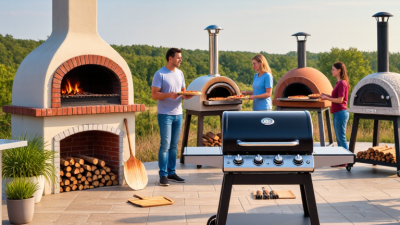
Why Choose a Brick Fireplace Pizza Oven?

A brick fireplace pizza oven brings the warmth and character of a traditional hearth into everyday cooking. Its thick masonry walls can store heat, while a properly designed cooking chamber helps deliver strong radiant heat to the pizza. You may notice the difference in a blistered crust, bubbling cheese, and the faint scent of wood smoke. Not magic. The oven still needs suitable fuel, steady airflow, and time to preheat. A cold, damp oven can cook unevenly, even when the fire looks lively.

Choosing a brick fireplace pizza oven involves more than picking a rustic finish. Consider the cooking chamber’s size, insulation, chimney draft, and how easily you can reach the fire and food. Brick alone does not guarantee reliable performance; construction details and careful installation matter. A qualified masonry professional can help assess the site, fire clearances, and ventilation needs. Plan for routine ash removal and occasional checks for cracks, too. Still, wood-fired cooking has a learning curve, and the first crust may come out uneven. That is part of the appeal, perhaps, but it is worth being honest about the time involved. This guide explores the practical benefits, design choices, and trade-offs that can help you decide whether this distinctive oven fits your home and cooking habits.
Why Choose a Brick Fireplace Pizza Oven?

What Is a Brick Fireplace Pizza Oven?

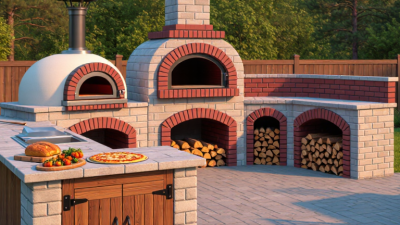
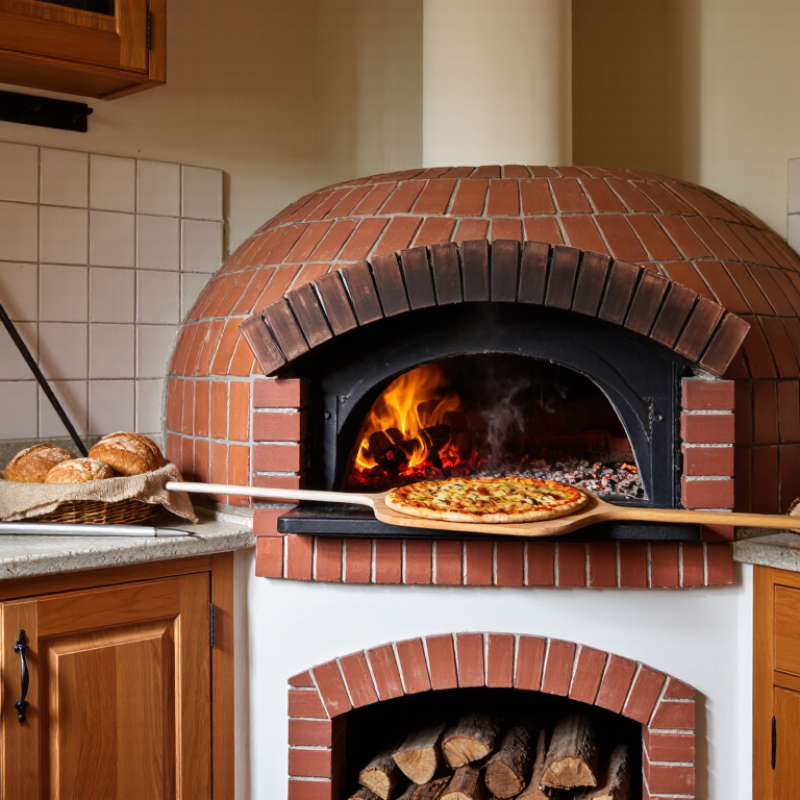
A brick fireplace pizza oven is a masonry cooking chamber built into or alongside a fireplace structure. Unlike an open hearth, it has an enclosed baking space, a solid floor, and a curved roof that helps hold and circulate heat. The fire may burn inside the chamber or in a connected firebox, depending on the design. Heat stored in the brick continues cooking after the flames settle.

The floor is often made from dense, heat-resistant material, while insulation around the chamber helps reduce heat loss. A flue or chimney manages smoke and airflow; its layout matters because poor draft can make fires smoky and uneven. A properly designed oven can reach temperatures suitable for pizza, but heating takes time. Check the floor with an appropriate thermometer, not just by judging the flame. That detail is easy to miss.

It is not simply a regular fireplace with a pizza placed inside. The cooking surface must be clean, level, and able to withstand repeated high heat. Installation also needs careful planning for clearances, ventilation, and the weight of the masonry. Local building requirements vary, so a qualified masonry or fireplace professional should review the design. Expect a learning curve. The first pizza may brown unevenly, especially while the oven’s floor and dome are still coming up to temperature.

How Its Structure Stores and Distributes Heat

Why Choose a Brick Fireplace Pizza Oven?

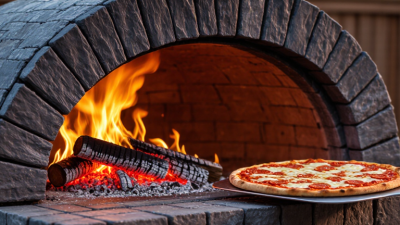
A brick pizza oven works like a heat reservoir. Its thick masonry absorbs warmth from a wood fire and releases it gradually. The curved dome helps reflect radiant heat toward the pizza, while hot air moves across the cooking chamber. The floor matters just as much. It takes in heat from below, then transfers it directly to the dough. That is why a properly heated stone or brick surface can crisp the base before the toppings dry out.

The materials and shape work together. Dense firebrick can withstand repeated high temperatures, while insulation around the dome and hearth slows heat loss. A well-insulated oven stays useful longer after the fire has settled, though results depend on construction and weather. Heat does not spread perfectly evenly. The area near the fire may run hotter, so rotating the pizza helps it cook consistently. Small details matter. Even a slight gap in insulation can affect performance. I would not assume that a thick brick shell alone guarantees steady cooking; preheating, fire placement, and a dry cooking floor all play a part. The learning curve is real. A simple thermometer can help, but watching how the crust colors is useful too.

How Wood-Fired Cooking Shapes Pizza

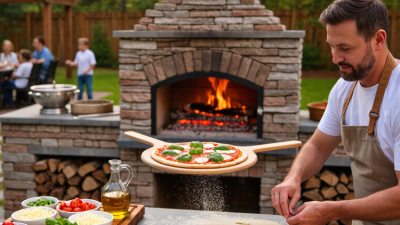
A brick fireplace pizza oven shapes pizza through heat, flame, and timing. Its heated floor cooks the dough from below, while the fire radiates warmth across the toppings. Bricks store heat, helping the oven recover between pies. The result can be a puffed rim, browned underneath, and soft spots near the center. Small differences matter.

Wood adds another layer. As the fire catches, its aroma can settle lightly into the crust, especially near the open flame. The effect should complement the sauce and cheese, not bury them. A dry hardwood fire usually burns more steadily than damp wood, but the cook still has to watch the flame. Too much smoke can taste harsh.

Timing moves quickly. A pizza may need turning so one edge does not char before the other has set. I still find that judging the floor by appearance alone can be misleading; a pale patch may bake differently from a dark one. A simple peel, careful rotation, and attention to the crust help, though each oven behaves a little differently. No two fires feel quite alike.

Why Choose a Brick Fireplace Pizza Oven? — How Wood-Fired Cooking Shapes Pizza

Feature Typical Conditions or Range How It Shapes the Pizza
High cooking temperature Many Neapolitan-style pizzas are cooked at roughly 430–485°C (800–905°F). Actual oven and floor temperatures vary with design and firing. High heat can set the crust quickly, producing a tender interior and browned, blistered edges when the dough and toppings are suited to a fast bake.
Short bake time At Neapolitan-style temperatures, baking commonly takes about 60–90 seconds; cooler ovens require longer. A short bake helps limit moisture loss from toppings and can keep the center soft. The pizza needs close attention and often a turn for even cooking.
Brick and masonry thermal mass Brick, stone, or other refractory materials absorb heat during firing and release it during cooking. Stored heat cooks the base through direct contact with the hot floor. The oven must be adequately heated, and successive pizzas can cool the floor if it is not allowed to recover.
Heat from the flame and dome A live fire heats the oven air and dome; the hot dome radiates heat toward the pizza while hot air circulates around it. Heat from above helps cook the toppings and brown the rim while the floor cooks the underside. The balance depends on fire placement, oven shape, and temperature.
Wood-fired aroma Clean-burning, dry firewood produces smoke and combustion aromas; the amount that reaches food depends on the fire, airflow, and cooking setup. Wood can add a subtle smoky character, but a well-managed fire should not leave the pizza acrid or heavily sooty. The flavor is not guaranteed by the oven alone.
Fuel moisture Seasoned firewood is commonly recommended at less than 20% moisture content. Drier wood generally lights and burns more readily than wet wood, making it easier to maintain heat and avoid excessive smoke.
Preheating time A masonry oven may need roughly 1.5–3 hours to heat, depending on its mass, insulation, starting conditions, and fire management. Allowing the oven to heat through helps the floor and dome cook more evenly. A glowing fire alone does not confirm that the cooking floor is ready.
Temperature variation The floor, dome, and area near the fire can be at different temperatures within the same oven. Rotating the pizza and choosing its position help manage uneven browning. An infrared thermometer can help check the floor temperature.
Cooking beyond pizza After the fire dies down, a well-insulated masonry oven can retain useful heat, with the temperature gradually falling. Lower-temperature cooking may suit bread, roasted vegetables, or other dishes, depending on the oven’s remaining heat and the recipe.
Best suited to Outdoor cooking spaces where there is room for the oven, safe clearance, ventilation, and a reliable supply of dry firewood. A brick oven offers a distinctive live-fire cooking process, but it needs more space, preparation, and fire management than many countertop or conventional ovens.

Ranges are indicative rather than guaranteed: oven construction, insulation, weather, fuel, dough, and cooking technique all affect results.

Key Benefits of Choosing a Brick Oven

Why Choose a Brick Fireplace Pizza Oven?

Key Benefits of Choosing a Brick Oven

A brick oven’s thick walls and dome absorb heat, then release it steadily during cooking. This stored warmth can help pizzas cook quickly while developing crisp bases and browned edges. The dome also reflects heat toward the toppings, helping cheese melt as the crust cooks.

Heat takes time.

That steady temperature is useful beyond pizza. With suitable heat and cookware, a brick oven can roast vegetables, bake bread, or cook a small tray of food. Its masonry can retain warmth after the fire has settled, making it useful for slower cooking too. Results still depend on fuel, airflow, oven design, and timing; brick alone does not guarantee an evenly cooked meal.

Brick also gives a fireplace a substantial, traditional presence, with materials that can suit many outdoor settings. But installation needs thoughtful planning. The oven requires a stable, heat-safe base, adequate clearance, and protection from weather. Maintenance matters. Mortar can wear, and rain may affect exposed masonry. Allow time for the oven to heat thoroughly, and learn how its temperature changes before relying on it for a large meal. The payoff is real, though the warm-up can be easy to underestimate.

Practical Factors to Consider Before Choosing One

A brick fireplace pizza oven is a permanent structure, so check the site before choosing a design. A level, load-bearing base matters; masonry and firebrick add substantial weight. Measure the route for bringing in materials, too. Tight access can raise installation effort. Allow space for the chimney, safe clearances, and a dry place to store fuel. The National Fire Protection Association’s Home Fires Involving Cooking Equipment report estimates that cooking equipment was involved in an average of 158,400 U.S. home fires annually from 2017 to 2021. That figure covers cooking equipment broadly, not pizza ovens alone, but it underlines why ventilation and fire-safe placement deserve careful planning. Details matter.

Think about how often you will cook. Brick retains heat well, but the oven needs time and fuel to warm through; an occasional pizza night may not justify its footprint. The U.S. Environmental Protection Agency’s Burn Wise guidance recommends firewood with moisture content below 20 percent for cleaner, more efficient burning. A simple moisture meter can help check a split log. Also consider rain exposure, ash removal, and whether smoke could drift toward windows or seating. I would not judge the choice by the first crisp crust alone. The routine counts. A beautiful oven can still feel inconvenient if lighting it, tending the fire, and cleaning afterward become chores.