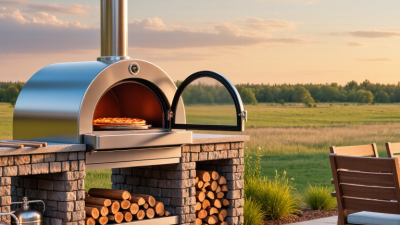
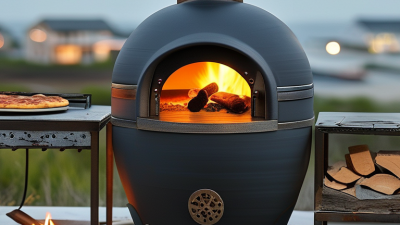
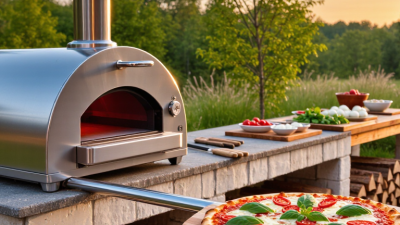
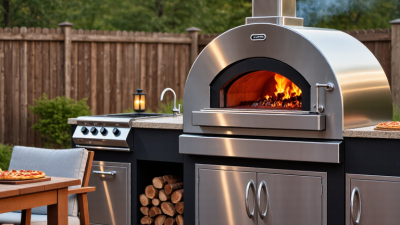
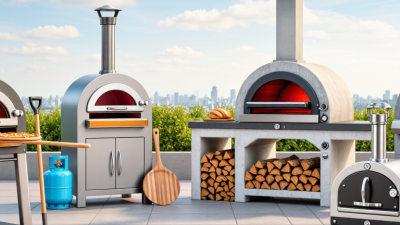
The best outdoor pizza fireplace in 2026 is not simply the one with the highest advertised temperature. It should heat evenly, recover quickly between pies, and feel manageable beside a patio table. Here, “pizza fireplace outdoor” refers to an outdoor oven or fireplace designed for cooking pizza. We compare practical details, including fuel, cooking-space size, insulation, ignition, portability, and cleanup. Small details matter.
A thin-crust pizza can bake quickly on a hot stone, but speed is not the whole story. A cramped opening can make turning a pie awkward, while a heavy body may be hard to move into storage. Wood-fired models offer a distinctive cooking routine, but they usually need more tending than gas models. Neither is automatically better. We also consider temperature control, materials, weather protection, replacement parts, and the space needed for stable placement. Measure your patio and check the manual’s clearance guidance before buying.
Where hands-on testing is unavailable, we distinguish manufacturer claims from features shoppers can verify. Product specifications can be incomplete, and results vary with dough, fuel, weather, and technique. Even a carefully chosen oven can disappoint if it does not fit your routine. The recommendations ahead weigh performance against upkeep, space, and cost, while noting where personal preference matters. No oven suits everyone.
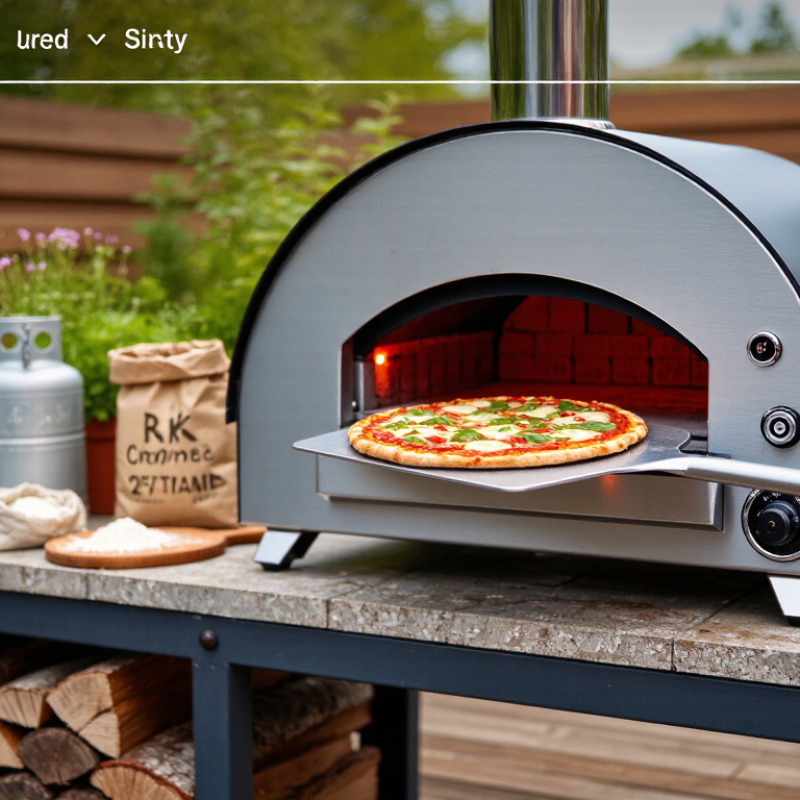
An outdoor pizza fireplace is a purpose-built cooking chamber that uses concentrated heat to bake pizza outside. Unlike a standard barbecue, it typically has a rounded or domed roof, a thick cooking floor, and an opening that allows food and air to pass through. The exact design varies. Some models burn wood; others use gas or another fuel.
Here is how the heat works.
Fuel burns inside the chamber, warming its walls and floor. The curved roof reflects heat down toward the pizza, while hot air moves across its surface. Meanwhile, the heated floor cooks the base and helps it crisp.
That balance matters. A hot top with a cool floor can leave the crust pale or soft. Too much heat can scorch it before the toppings are ready.
Airflow also plays a practical role.
An opening and flue help draw oxygen toward the fire and carry smoke away, though their layout differs by design. For consistent results, cooks usually allow the chamber to preheat and check the floor temperature before baking. Heat moves quickly. A pizza may need turning because one side faces the fire longer. The learning curve is real, and outdoor conditions such as wind can affect cooking. Even experienced cooks may need a few tries to judge the temperature by sight and timing.
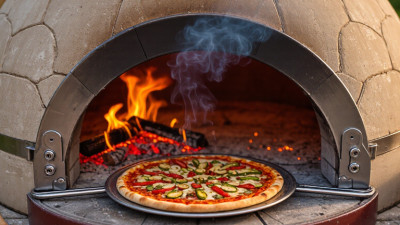
Wood-fired pizza fireplaces use logs or kindling to create direct heat and a smoky flavor. They can reach high temperatures, but need tending: you’ll adjust the fire, rotate the pizza, and watch for hot spots. That hands-on rhythm suits some cooks. It can also be tiring when guests are waiting. Wood storage and ash cleanup matter, too.
Gas-fired models heat quickly and offer easier temperature control. They are convenient for weeknight cooking, though their flavor is usually less smoky.
Electric units avoid fuel storage and can suit patios with suitable outdoor power, but check the manufacturer’s installation and weather guidance. Hybrid fireplaces combine fuel options, adding flexibility and extra parts to maintain. Not every feature earns its keep.
Compare cooking-surface size, heat recovery between pizzas, insulation, and clearance needs before choosing. A small oven may cook beautifully yet feel cramped when a peel, turning space, and several toppings compete.
I’ve found that temperature readings can mislead; the stone may need longer to heat than the air inside. The most practical type is the one you can safely operate and consistently maintain.
A pizza fireplace cooks best when it holds steady heat, not merely when its thermometer shows a high number. Look for a well-insulated dome and a cooking floor that warms evenly. A thick floor can help maintain heat, but it may take longer to preheat. The floor matters. If one side runs cooler, pizzas need turning, and timing becomes less forgiving. Heat recovery between pizzas is another useful measure. A fireplace that regains temperature quickly keeps dinner moving, especially when several people are waiting.
Ease of use depends on practical details. A clear opening gives you room to slide in a pizza and turn it without scraping the crust. Comfortable handles and a stable stand make routine adjustments less awkward. Fuel access should be simple, while ash should be easy to remove after everything cools. A built-in temperature gauge is helpful, but it may not reflect the heat at floor level. A small handheld thermometer can reveal that difference. Wind can also change the fire and cooking time, so consider a sheltered, level spot. I would not choose by maximum temperature alone. It sounds impressive, but steady control is usually more useful. Maybe that is the less exciting answer.
Oven temperature is one factor that affects cooking performance. These approximate target ranges vary by recipe and cooking method; they are not product test results. When comparing outdoor pizza fireplaces, also consider preheating time, temperature control, cooking-surface size, fuel handling, and how easily you can turn the pizza.
Choosing an outdoor pizza fireplace in 2026 means comparing how it performs, not just how it looks. Check the cooking surface’s usable diameter, since a large exterior can hide a cramped baking area. Ask how long the oven takes to preheat and whether heat stays even across the stone. A high maximum temperature sounds impressive, but it matters less if the floor burns the crust before the toppings cook. Watch for adjustable airflow and clear temperature guidance. Small details matter.
Fuel choice affects the routine. Wood can add a smoky flavor, but it needs tending and leaves ash to clean. Gas may offer steadier adjustments, though the connection and fuel supply need planning. Compare the fireplace’s weight, assembly requirements, and resistance to rain, especially if it will stay outdoors. Look for a stable base and practical handling instructions; moving a hot, heavy oven is not a minor task. Check whether replacement stones or other wear parts are available. I would also consider storage, not just cooking. A cover helps, but damp conditions can still demand extra care. No specification sheet fully predicts performance in your yard, so user testing and a realistic space check are worth the effort.
| What Is the Best Outdoor Pizza Fireplace in 2026? — How to Compare Outdoor Pizza Fireplaces in 2026 | ||||||
|---|---|---|---|---|---|---|
| Fireplace Type | Typical Heat Range | Fuel and Heat-Up | Cooking Capacity | Temperature Control | Maintenance Considerations | Best Fit |
| Wood-Fired Dome | Many designs can reach roughly 430–480°C (800–900°F) at the cooking surface when fully heated. | Uses seasoned hardwood. Heating commonly takes around 30–60 minutes, depending on the oven, weather, and fire. | Often suited to one pizza at a time; cooking times can be about 60–120 seconds at high heat. | Requires active fire management and turning the pizza to cook it evenly. | Remove ash after cooling; inspect the cooking surface and protect the oven from prolonged wet weather. | People who want live-fire cooking and do not mind tending the fire. |
| Gas-Fired Dome | High-temperature models commonly reach approximately 400–480°C (750–900°F); actual performance varies by design. | Usually runs on propane or natural gas. It typically heats up more quickly and consistently than a wood-fired oven. | Usually cooks one pizza at a time, with short cook times once the stone is thoroughly heated. | Burner adjustment makes heat easier to control than an open wood fire. | Clean the cooking surface when cool and follow the maker’s instructions for burner and fuel-system checks. | People who value convenient ignition and repeatable heat. |
| Wood-and-Gas Hybrid | Can reach high pizza-baking temperatures; the achievable range depends on the oven and chosen fuel. | Offers wood firing, gas firing, or both, depending on the design. Gas can simplify preheating; wood adds live-fire operation. | Capacity is generally similar to other ovens of the same cooking-surface size. | Gas provides easier adjustment; wood requires more attention to flame and fuel. | Maintenance depends on which fuel is used; wood ash and gas components require different care. | People who want fuel flexibility and are comfortable with a more complex setup. |
| Portable Outdoor Oven | Some compact models are designed to reach around 400°C (750°F) or higher; check the stated cooking-surface temperature. | May use gas, wood, pellets, or another specified fuel. Smaller ovens can heat quickly, but wind and cold affect performance. | Typically cooks one small or medium pizza at a time. | Control varies by fuel and design; compact cooking chambers may respond quickly to changes in heat. | Clean after cooling, store dry, and observe the specified clearance and safe-use instructions. | People with limited space or a need to move and store the oven. |
| Built-In Masonry Oven | Can reach traditional high-temperature pizza-baking levels when properly fired and fully heated. | Usually wood-fired and built with substantial masonry. Expect a longer heat-up and cool-down than with a compact oven. | Cooking capacity depends on the internal floor size; a larger floor may allow multiple pizzas to be managed at once. | Heat is regulated through fire placement, airflow, and stored heat in the oven structure. | Needs a suitable permanent base, weather protection, and routine inspection of the structure and flue. | People planning a permanent outdoor kitchen and regular group cooking. |
| What to Compare Before Buying | Check the stated cooking-surface temperature, not only the air temperature inside the oven. | Confirm fuel availability, connection requirements, expected preheat time, and any local fire rules. | Compare usable cooking-floor dimensions with the pizza size and number of servings you need. | Consider how easily the oven holds heat and how much attention it needs during cooking. | Review outdoor weather protection, cleaning access, installation needs, and required clearances. | Choose based on cooking habits, available space, fuel preference, and willingness to manage fire and maintenance. |
| Temperature, preheat time, and cooking capacity are general ranges or design characteristics, not guarantees. Results vary with oven construction, fuel, weather, pizza thickness, and operating technique. Follow the specific unit’s safety and installation instructions. | ||||||
Start with the footprint, not the flame. Measure the cooking area, doorways, and route from storage to patio. A compact portable oven may suit a narrow deck; a heavier masonry fireplace needs stable ground and permanent clearance. Leave room to move, store fuel safely, and set down hot tools. Small patios change everything. The Hearth, Patio & Barbecue Association’s 2024 State of the Barbecue Industry report says 70% of U.S. adults own a grill or smoker. That figure signals broad interest in outdoor cooking, but it does not mean every yard can accommodate a fireplace. Treat it as context, not a buying rule.
Match the oven’s capacity to how you actually cook. A smaller chamber can work for occasional pizzas, while larger gatherings may call for more cooking space and longer heat retention. Check the stated heat-up time, fuel type, weight, and cleaning access. Also read the maker’s clearance guidance and check whether your surface can handle the appliance’s load. I would not choose by maximum temperature alone; usable workspace matters on a busy evening. Wind exposure and nearby walls can affect heat and smoke, so the prettiest corner may not be the best one. Measure twice. And leave room for the awkward bits: a peel, wood or other fuel, and somewhere to cool the oven.