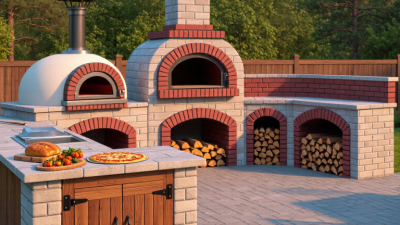
Choosing an outdoor pizza fireplace is not simply about chasing the highest temperature. Global buyers must consider climate, fuel availability, installation space, cooking style, and long-term maintenance.
Chris Bianco, the James Beard Award-winning pizzaiolo, has said, “The best pizza is the one you like.” That idea matters here. A compact wood-fired model may suit a small terrace in London, while a larger gas or dual-fuel fireplace may work better for frequent entertaining in Sydney or Dubai. Different homes need different solutions.
This guide reviews ten outdoor pizza fireplace options for international buyers. Each model is assessed through practical details, including heat retention, oven-floor size, insulation, door design, ignition, cleaning, and weather resistance. Materials also deserve attention. Stainless steel handles moisture well, while traditional brick or stone can provide stronger thermal character but may demand more care.
Safety remains essential. Buyers should check local installation rules, ventilation requirements, fuel regulations, and manufacturer certifications before purchasing. These details are easy to overlook.
No model is perfect.
Some fireplaces heat quickly but lose warmth faster. Others look beautiful yet require patience and regular maintenance. Our comparisons aim to show those compromises clearly, rather than promise one universal winner. Real outdoor cooking also involves wind, damp wood, uneven heat, and the occasional burnt crust. That is part of the learning process.
For buyers seeking reliable performance and lasting value, the best choice balances cooking results, local conditions, operating costs, and everyday convenience.
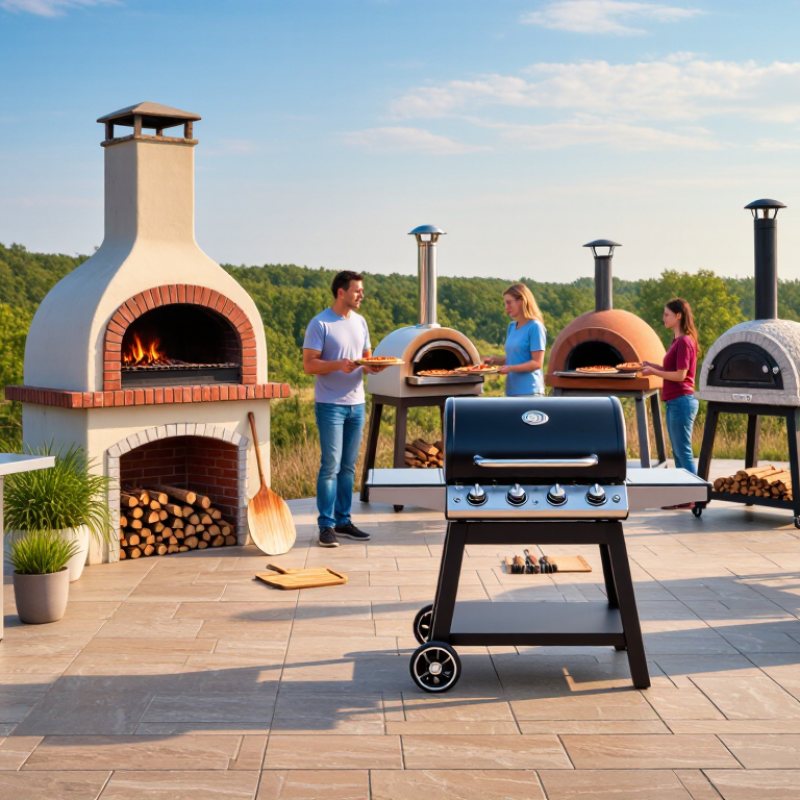
An outdoor pizza fireplace combines a fire chamber, a cooking floor, and a route for smoke to escape. Unlike a simple open fire pit, many models use a dome or curved roof to hold and circulate heat. The flame heats the cooking surface directly, while hot air moves across the pizza’s top. A chimney or flue helps draw smoke outward. That distinction matters.
Fuel may be wood, gas, or another specified source, depending on the design. Wood-fired units need space for fuel and ash; gas-fired units usually offer easier flame control. A thick refractory floor stores heat, so the base can crisp while the toppings cook. In practice, this neat explanation has a catch: insulation, wind, fuel, and preheating all affect results. A thermometer helps, but it cannot fix uneven airflow.
The market context is growing, though the figures cover more than pizza ovens. Grand View Research’s 2024 outdoor kitchen report estimated the global outdoor kitchen market at $24.23 billion in 2023, with an 8.8% projected annual growth rate from 2024 to 2030. This broad category includes kitchens and related outdoor cooking equipment, not pizza fireplaces alone. For buyers, the useful details are practical: cooking-floor size, heat-up time, ventilation, weather protection, and clearance requirements. A large oven can look impressive. It may also take longer to heat and demand more fuel.
When comparing outdoor pizza fireplaces, start with heat control, not appearance. A reliable model should reach roughly 400–500°C for fast, well-browned crusts. More important, it must hold that heat steadily when wind changes. Check the insulation around the cooking chamber and door. Thin metal can radiate heat toward nearby hands. That detail matters. Look for a built-in thermometer, but verify its position. A gauge near the flame may not reflect the stone temperature.
Cooking surface size affects both menu and workflow. A 30-centimeter stone suits one pizza, while larger surfaces support family service. Measure the opening, not only the advertised internal width. You need room to turn the pizza without touching hot walls. Fuel choice also changes daily effort. Wood gives fragrant smoke, but it requires dry storage and regular ash removal. Gas or electric heating can simplify temperature adjustments, especially for new users. Still, convenience may reduce the character some cooks want. Not always.
Construction quality deserves a close inspection. Choose corrosion-resistant materials, stable legs, and handles that remain cool during normal use. A removable stone makes cleaning easier after cheese and flour burn onto the surface. Check whether replacement stones and basic parts are available in your region. Safety features should include secure doors, steady bases, and clear clearance guidance. I would also test the controls before buying. Marketing photos can hide awkward loading angles or weak hinges. My preference is often a smaller fireplace used weekly, rather than an impressive unit that stays covered.
Choosing among the top 10 outdoor pizza fireplaces depends on the buyer’s setting, cooking habits, and local conditions. Compact wood-fired models suit small patios and traditional flavor. Gas-powered units offer faster heating for busy households. Electric ovens work well on balconies where open flames are restricted. Portable designs help renters, campers, and catering teams. Built-in fireplaces suit permanent outdoor kitchens, but they demand careful planning.
Cold-climate buyers should inspect insulation, door seals, and heat retention. In humid regions, stainless steel surfaces and covered storage reduce corrosion. Coastal users need stronger protection against salty air. Large families may prefer two cooking chambers or a wide stone deck. Restaurant buyers should examine recovery time, cleaning access, and daily capacity. Apartment owners should measure ventilation, clearance, and weight before purchase. A beautiful oven can become useless if the lift cannot carry it.
I have found that temperature stability matters more than impressive peak numbers. A well-insulated oven may cook evenly with less fuel. Small details matter. Check whether the stone can be replaced locally. Confirm spare-part availability and clear operating instructions. Buyers should also verify fuel compatibility, delivery damage policies, and installation requirements with local authorities. Some choices look practical online but feel awkward after assembly. I once underestimated door clearance, and the oven placement became inconvenient. That mistake still influences my buying checklist.
Top 10 Outdoor Pizza Fireplaces for Global Buyers?
Fuel choice shapes cooking control, maintenance, and installation requirements. Wood delivers smoky flavor and high heat, but it demands dry storage and regular ash removal. Gas heats faster and suits controlled cooking, although burners need certified connections and protected valves. Electric models can work in mild climates, but moisture protection and circuit capacity require careful checking. Never treat one fuel type as universally superior.
Materials matter when weather changes sharply. Refractory stone stores heat well, while stainless steel resists rain and coastal air. Cast iron holds temperature steadily, but it may rust without proper care. In freeze-prone regions, trapped water can crack stone and mortar. Covers help, yet they do not replace drainage. A glossy surface can mislead buyers.
Safety standards differ by country and sometimes by city. Look for independent product certification, clear installation instructions, tested gas components, and stated clearance distances. Wood-burning units need controlled airflow, stable flooring, and a suitable spark screen. Gas units require leak checks and adequate ventilation. In windy areas, flame stability matters more than advertising claims. One practical lesson is uncomfortable: many failures begin with poor placement, not poor equipment. Keep combustible walls, awnings, and furniture well away. Coastal buyers should inspect fasteners monthly. In snowy climates, remove heavy loads before operation. Even experienced users occasionally overlook condensation. That mistake deserves attention.
Fuel types, materials, safety standards, and climate compatibility
The chart compares representative chamber-temperature targets commonly used for outdoor pizza cooking. Wood-fired models generally reach the highest temperatures, while gas, pellet, and electric models offer more controlled heating. Actual performance depends on insulation, chamber materials, fuel quality, wind, ambient temperature, and local installation conditions.
For global purchasing, buyers should verify applicable local requirements for gas appliances, electrical protection, ventilation, fire clearance, and outdoor installation. Stainless steel and insulated refractory materials are widely used because they provide corrosion resistance and thermal stability in changing climates. In cold, windy, or humid regions, weather protection and high-quality insulation are especially important.
Choosing among top outdoor pizza fireplaces starts with site planning, not appearance. A unit needs a level, noncombustible base and safe clearance from walls, roofs, and furniture. Measure twice. A compact stainless frame may look simple, yet its chimney height can affect smoke movement and nearby windows. Check drainage, wind direction, fuel access, and delivery paths before ordering. Installation instructions should state curing times, ventilation needs, roof clearance, and required supports. Local building and fire authorities may require approvals, so verify current rules with qualified professionals.
Maintenance protects cooking performance and reduces avoidable repairs. Remove ash only after the chamber is completely cool. Brush food residue from the cooking surface with suitable tools, then inspect the door, flue, seals, and rain cap. Moisture is a quiet problem. It can crack masonry and corrode metal fittings. Seasonal users should cover the fireplace without trapping damp air. In practice, owners sometimes overheat a new oven during the first firing. Slow curing is safer. I still see this mistake repeated.
International purchasing adds practical questions beyond the quoted price. Confirm dimensions in millimetres, packed weight, pallet size, and unloading equipment. Request material specifications, heat ratings, assembly drawings, spare-part availability, and a written warranty. Ask whether the unit arrives assembled or flat packed. Import duties, insurance, destination taxes, and delivery terms can change the final cost significantly. Electrical ignition or lighting components may need local compatibility checks. Translation gaps can also create installation errors. A reliable supplier should provide clear, traceable documents rather than vague promises.