What Is an Outdoor Pizza Fireplace?

What Is an Outdoor Pizza Fireplace?

An outdoor pizza fireplace combines a cooking chamber, firebox, hearth, and chimney. It is designed for baking pizza outside the home. Unlike a simple grill, it stores intense heat inside masonry or insulated materials. That heat helps produce crisp crusts and blistered toppings. However, performance depends on more than appearance.

Tony Gemignani, a world pizza champion and respected pizza instructor, says, “Pizza is the world’s most perfect food.” His view highlights an important point: excellent results require both equipment and technique. A well-built outdoor pizza fireplace should reach stable temperatures, manage smoke, and distribute heat evenly. The cooking floor should support quick turning with a peel. The opening should feel practical, not merely decorative. Small details matter, including dry firewood, a level hearth, and enough space around the structure.

This guide will explain how an outdoor pizza fireplace works, which materials affect heat retention, and how different designs suit different patios. It will also consider installation, ventilation, cleaning, and everyday maintenance. These details are easy to underestimate. A beautiful fireplace can still cook unevenly. A compact model may heat quickly but lose temperature sooner. The definition is not perfectly fixed, either. Some models resemble traditional ovens, while others combine fireplaces, grills, and baking chambers.

Real experience often exposes these differences. Ash can collect near the entrance. Damp wood can create heavy smoke. Even experienced cooks sometimes misjudge the first bake. Understanding those limitations makes the buying decision more realistic, safer, and more reliable.
What Is an Outdoor Pizza Fireplace?

Defining an Outdoor Pizza Fireplace: Structure, Purpose, and Heat Sources

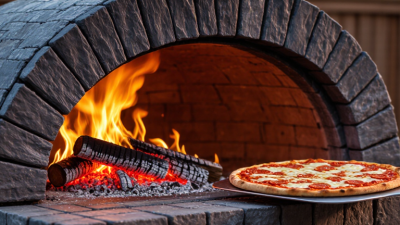
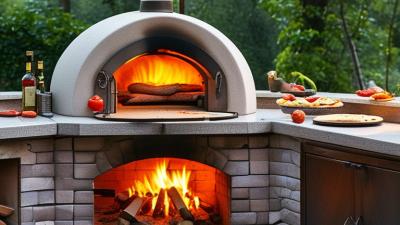
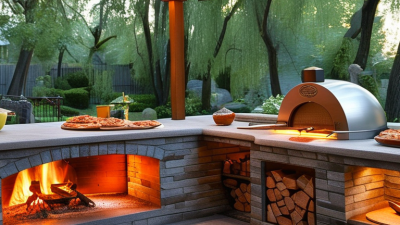
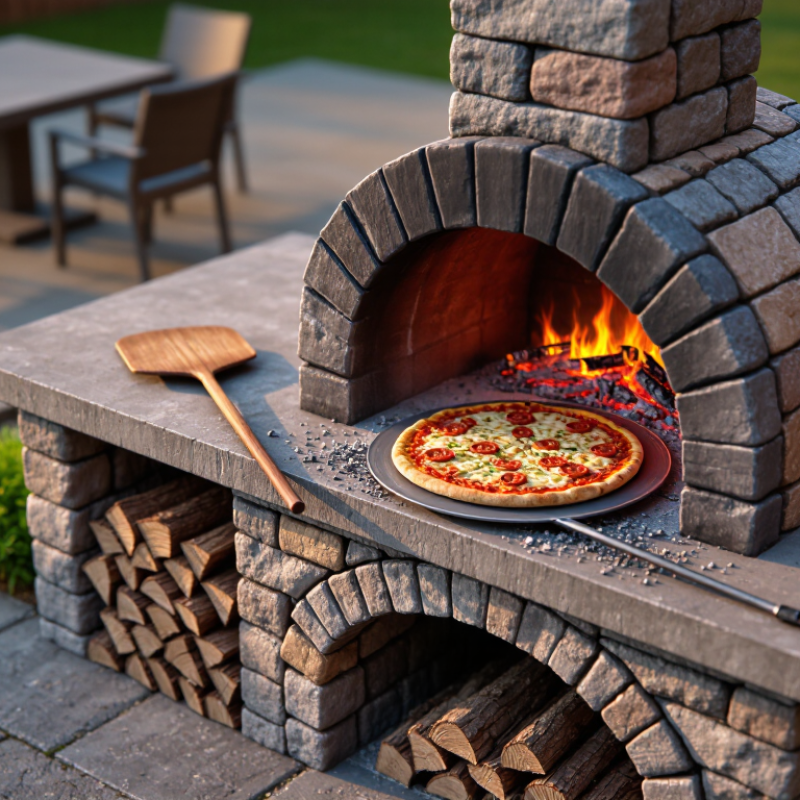
An outdoor pizza fireplace is a purpose-built cooking structure for baking pizza outside. Its design usually includes a fire chamber, insulated walls, a heat-resistant floor, an arched opening, and a chimney or vent. The floor cooks the base, while the curved ceiling reflects heat toward the toppings. It is more than a fire pit. It creates a controlled baking environment.

Its purpose is intense, even heat. Traditional wood-fired models can reach about 430–480°C, the range recommended by the Associazione Verace Pizza Napoletana for fast pizza baking.

Gas and electric systems offer easier temperature control, while wood provides flame, smoke, and changing heat patterns. That difference affects flavor and technique.

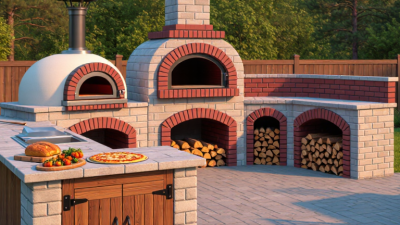
However, the definition is not perfectly fixed. Some compact units resemble ovens, while larger masonry structures function like complete outdoor fireplaces. NFPA reports that U.S. fire departments responded to approximately 11,600 home fires involving grills, hibachis, or barbecues each year from 2017 to 2021. Safe placement matters.

Tips:

Check the floor temperature with an infrared thermometer. Keep combustible furniture away from the opening. Use dry, untreated wood only. Let the chamber cool fully before cleaning ash. A small mistake can change the bake. Ventilation and clearance should follow local building guidance, even when the fireplace feels simple.

How 430–485°C Cooking Temperatures Create Neapolitan-Style Pizza

What Is an Outdoor Pizza Fireplace?

How 430–485°C Cooking Temperatures Create Neapolitan-Style Pizza

An outdoor pizza fireplace is a high-heat masonry or insulated oven designed for rapid cooking. Its chamber stores heat in the floor and dome, then releases it through conduction, radiation, and moving hot air. At 430–485°C, the pizza surface receives intense energy from every direction. The Associazione Verace Pizza Napoletana’s technical regulations identify this range for Neapolitan-style baking, usually within 60–90 seconds.

The oven floor cooks the dough directly. A properly heated surface creates a crisp underside without drying the center. Meanwhile, the dome’s radiant heat inflates the crust edge and chars small leopard-like spots. Moisture matters here. Dough can lose water quickly, while mozzarella and tomato still need to remain soft. Tests from the U.S. Department of Agriculture show that cooking performance depends on temperature consistency, not only peak heat. That principle applies outdoors, where wind and weather can change the result.

A simple infrared thermometer helps check the floor. Still, one reading is not enough. Hot spots can remain near the flame while the center stays cooler. The Pizza Power Report 2024 describes continuing consumer demand for premium, fast-cooked pizza, but speed can encourage careless preparation. In practice, rotating the pizza every 20–30 seconds often improves browning. I have found that waiting too long can scorch the rim. Yet a slightly uneven crust is sometimes useful evidence: the oven needs better heat recovery, not merely a higher flame.

Comparing Wood, Gas, and Hybrid Outdoor Pizza Fireplace Systems

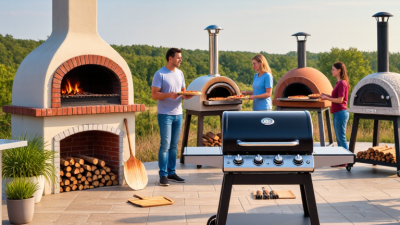
An outdoor pizza fireplace is a heated cooking structure designed for patios, gardens, and other open-air spaces. It usually includes an insulated chamber, a cooking floor, and a chimney or venting system. The fuel choice changes the cooking experience, maintenance, and installation requirements.

Wood-fired systems produce live flames, glowing embers, and a smoky flavor that many cooks prefer. They can reach high temperatures, but they require dry hardwood, regular ash removal, and patient fire management. Smoke control matters near windows and neighboring properties. A common mistake is underestimating heat-up time. The fire may look ready while the cooking floor remains unevenly heated.

Gas-fired systems offer quick ignition and precise temperature control. They suit frequent weeknight cooking and smaller outdoor spaces. Their flame usually creates less smoke, but the flavor can feel cleaner and less complex. Gas connections, ventilation, and burner protection should be checked by a qualified professional.

Hybrid systems combine wood and gas in one unit. Gas can provide steady heat, while wood adds flame character during longer cooking sessions. This flexibility is useful, though the design may cost more and include more parts to inspect.

Before choosing, measure clearances, confirm the cooking capacity, and review local installation rules. Temperature gauges help, but a surface thermometer often reveals uneven heat more accurately.

Key Design Metrics: Insulation, Cooking-Surface Size, and Heat Retention

An outdoor pizza fireplace is a freestanding cooking structure that combines a fire chamber, insulated walls, and a masonry cooking surface. It uses wood or another approved fuel to create high, steady heat. Unlike a simple grill, it stores heat in the dome and floor, then releases it gradually around the pizza.

Insulation is the first design metric to examine. Dense refractory material helps reduce heat loss through the dome and sidewalls. A properly insulated oven can keep its exterior cooler while maintaining strong internal temperatures. The cooking surface also matters. A surface around 70 to 90 centimeters wide can support one large pizza or several smaller ones. Larger floors need more fuel and longer heating times. That trade-off is easy to underestimate.

Heat retention depends on mass, insulation, and door design. A thick floor may remain hot enough for several batches after the flames decline. In practice, I would check the floor temperature with an infrared thermometer before baking. A reading near 400°C may suit many pizza styles, but recipes vary. My first heating estimate was too optimistic; cold masonry absorbed energy for longer than expected. This is a useful reminder that published dimensions cannot replace real testing. Small gaps around the door can also waste heat, especially in windy weather. A sheltered installation and a well-fitted door improve consistency, but neither removes the need to manage the fire carefully.

What Is an Outdoor Pizza Fireplace? - Key Design Metrics: Insulation, Cooking-Surface Size, and Heat Retention

Design Metric Recommended Practical Range What It Measures Why It Matters Selection or Testing Guidance
Cooking-Surface Diameter 24–36 in (61–91 cm) The usable flat area where pizzas and cookware are placed. A larger surface supports multiple pizzas or larger cookware, but it also requires more fuel and longer preheating. Choose about 24–28 in for occasional family cooking and 32–36 in when cooking several pizzas or dishes at the same time.
Cooking-Surface Area About 450–1,020 sq in (0.29–0.66 m²) The approximate usable area of a circular cooking floor. Surface area determines how much food can be positioned without blocking airflow or placing food too close to the flame. Calculate circular floors with the formula: area = π × radius². Allow clearance around the cooking zone for safe handling.
Cooking-Floor Material Refractory brick, firebrick, or dense refractory slab The heat-resistant material that directly supports the food. Dense refractory materials store heat and provide a stable baking surface while tolerating repeated high-temperature cycles. Look for a level, crack-resistant surface designed for direct food cooking. Avoid ordinary concrete in the high-heat cooking zone.
Cooking-Floor Thickness 2–3 in (5–7.5 cm) The thickness of the dense thermal mass beneath the food. Thicker floors generally provide better heat stability and recovery after a cold pizza or pan is placed inside. A thicker floor improves thermal stability but increases warm-up time and overall structure weight.
Dome or Firebox Insulation 2–4 in (5–10 cm) of ceramic-fiber blanket or equivalent insulation The low-conductivity layer surrounding the hot chamber. Insulation reduces heat loss, improves fuel efficiency, protects the outer enclosure, and helps maintain a steady cooking temperature. Continuous coverage is more important than insulation thickness alone. Minimize gaps around joints, doors, and chimney transitions.
Insulation Thermal Conductivity Approximately 0.05–0.12 W/m·K at typical operating temperatures How readily the insulation transfers heat. Lower thermal conductivity generally means less heat escapes through the dome and less heat reaches the exterior shell. Compare insulation products at similar temperatures because conductivity changes with temperature and installation density.
Internal Baking Temperature 650–900°F (343–482°C) The temperature range commonly used for high-heat pizza baking. Higher temperatures can shorten cooking time and promote rapid crust browning, while lower temperatures are better for roasting and slow baking. Use an infrared thermometer to check the cooking floor and a separate thermometer for the chamber or dome.
Preheating Time 45–120 minutes The time needed for the cooking floor and dome to reach a stable operating temperature. Dense thermal mass heats more slowly than thin metal but usually provides more consistent performance once fully heated. Judge readiness by both floor temperature and visible heat equalization across the dome, not only by flame height.
Heat Retention After Fire Reduction Approximately 2–5 hours of useful residual cooking heat How long the oven remains suitable for baking or roasting after active flames are reduced. Good heat retention allows several cooking stages, such as pizza followed by bread, vegetables, or slow roasting. Actual duration depends on insulation, thermal mass, outdoor temperature, wind, door fit, and how often the chamber is opened.
Temperature Drop During a 30-Minute Rest Roughly 25–90°F (14–50°C) The reduction in chamber or floor temperature after active heating is reduced and the door is closed. A smaller temperature drop indicates better insulation, stronger thermal mass, or more effective door and flue control. Measure under similar conditions each time; wind and repeated door opening can significantly increase heat loss.
Door Fit and Opening Control Close-fitting door with a controlled opening of approximately 20–30% of the oven mouth The ability to regulate oxygen, airflow, and heat escape. A properly fitted door helps retain heat after the fire is reduced and supports more stable baking temperatures. The door should be made from heat-resistant material and should not seal a live firebox in a way that restricts safe ventilation.
Chimney or Flue Height Typically 24–48 in (61–122 cm) above the oven arch or roofline The vertical path that directs smoke and combustion gases away from the cooking area. A suitable flue improves draft and helps reduce smoke entering the outdoor seating area. Final dimensions should follow local fire regulations and account for nearby walls, roofs, trees, and other combustible structures.
Exterior Surface Temperature Preferably below 140°F (60°C) at frequently touched areas The temperature of accessible outer surfaces during normal operation. Lower exterior temperatures reduce burn risk and help protect surrounding finishes and structures. Use a thermal barrier and maintain required clearances. Always verify temperatures during the hottest expected operating condition.
Fuel Consumption Approximately 2–6 lb (0.9–2.7 kg) of dry hardwood per hour The approximate rate of wood use during active heating and flame maintenance. Fuel demand affects operating cost, storage requirements, smoke production, and the time needed to reach cooking temperature. Use clean, dry, untreated hardwood. Actual consumption varies with oven size, insulation, moisture content, weather, and cooking temperature.
Thermal Expansion Allowance Flexible joints and clearances at refractory-to-shell interfaces The design provision for movement as refractory materials heat and cool. Refractory components expand during firing. Without movement allowance, thermal stress can cause cracking or distortion. Use construction methods intended for high-temperature masonry and avoid rigidly locking dissimilar materials together.

Outdoor Installation Standards: Ventilation, Clearances, and Fire Safety Codes

What Is an Outdoor Pizza Fireplace?

An outdoor pizza fireplace is a purpose-built cooking enclosure for preparing pizza in an open-air setting. Unlike a simple fire pit, it directs heat through a cooking chamber and removes smoke through a flue or chimney. Its safety depends on correct ventilation, clearances, and fire-resistant construction.

Check local building and fire codes before installation. Requirements vary by location, fuel type, and property layout. A wood-burning fireplace usually needs a properly sized chimney, a secure cap, and a spark arrestor. The chimney termination must stay away from roofs, windows, eaves, and nearby trees. Gas-fired units may require permanent openings for combustion air. Do not place the fireplace inside a screened room unless the design specifically allows it. Carbon monoxide can collect quickly in enclosed spaces.

Clearances matter more than appearance. Keep combustible walls, fences, furniture, and stored firewood outside the required distance. Follow the appliance instructions and local authority requirements, using the stricter measurement when they differ. Build the hearth on a stable, noncombustible base. Use noncombustible surfaces. Measure twice.

Fire safety also includes daily habits. Keep a suitable extinguisher nearby, but never use water on a grease fire. Remove ash only after it has cooled completely, then store it in a covered metal container away from structures. I still find that attractive layouts encourage unsafe furniture placement. A final inspection should test airflow, door operation, chimney draft, and emergency access before the first bake.