7 Tips for Choosing an Outdoor Fireplace Pizza Oven?
A fireplace pizza oven outdoor setup can turn a patio into a practical cooking space, but the right choice depends on more than peak temperature. Size, fuel, heat retention, installation needs, and safe clearances all affect daily use. A compact oven may suit a small terrace. A heavier masonry model may better serve family gatherings, but it needs more space and planning.
The Hearth, Patio & Barbecue Association has reported that roughly four in five U.S. households own a grill or smoker, reflecting the broad appeal of cooking outdoors. That figure does not measure pizza-oven ownership, so it should not be treated as proof of demand for any particular oven. It does, however, show why buyers should compare real cooking needs with product claims. Look for clear specifications, dependable materials, and guidance from the manufacturer.
Pizza historian Scott Wiener offers useful perspective on pizza as a craft and a shared experience, but I cannot verify a verbatim quotation from him about outdoor fireplace ovens. Rather than invent one, this guide focuses on practical selection criteria. The seven tips ahead will help you assess cooking capacity, fuel options, temperature control, weather exposure, upkeep, placement, and total cost. Small details matter. A stone that holds heat, a door that fits snugly, and enough room to work can make the difference between an oven you admire and one you actually use.
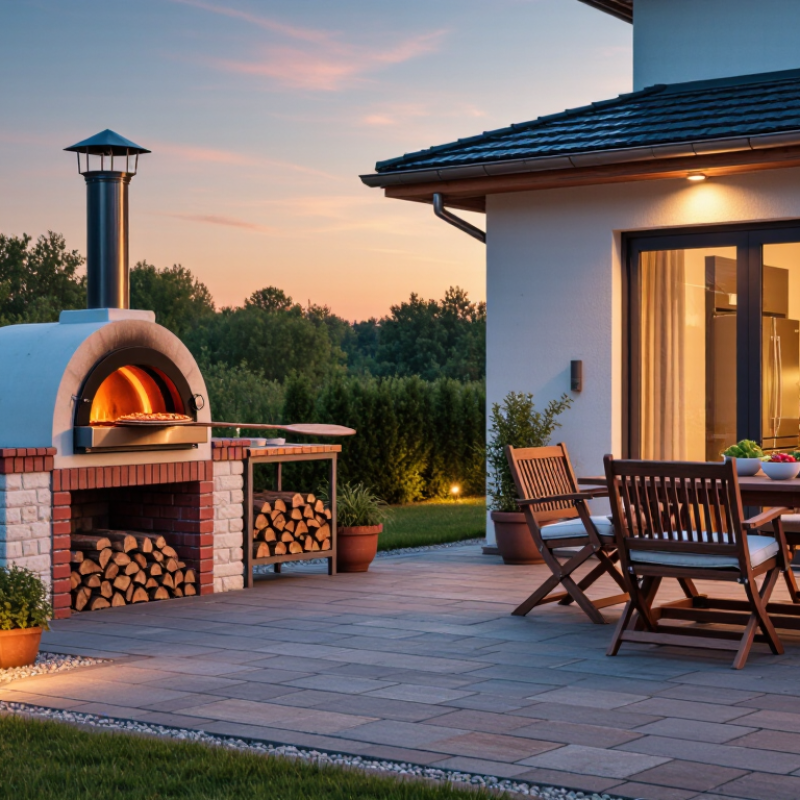
Identify Your Cooking Needs and Available Outdoor Space
Before comparing oven sizes, decide what you actually want to cook outdoors. If pizza is the main event, note the diameter you prefer and how many pies you serve at once. A compact oven may suit two people, while family dinners need room for repeated batches. Consider other dishes, too: roasting vegetables or baking bread may require steadier heat and more interior space. Write down your typical menu. It helps. Then consider how often you will use the oven and who will tend the fire. Wood-fired cooking can involve active temperature checks, which may not fit every evening.
Measure your patio or yard before choosing an outdoor fireplace pizza oven. Include the oven footprint, its stand, and clear working space around the opening. Check that the surface is level and stable, and keep a clear route for carrying dough, a peel, and hot dishes. Think about smoke direction, nearby walls, overhead structures, and local safety guidance; requirements vary by location. A tight corner looks convenient, but it can make tending the fire awkward. Be honest about storage and cleanup. Ash, tools, and a weather cover need somewhere to go. It is easy to underestimate this part.
Compare Oven Types, Fuel Sources, and Heating Performance
Outdoor pizza ovens differ most in heat storage and control. A brick or stone dome absorbs heat slowly, then radiates it steadily; it suits long sessions but needs room and preheating time. Insulated metal ovens are usually lighter and quicker to warm, though their smaller cooking floors can lose heat between pizzas. AVPN’s technical specification for Neapolitan pizza gives a useful benchmark: roughly 430–480°C, with baking lasting 60–90 seconds. That is a specialist target, not a requirement for every home recipe.
Tip: Match fuel to your routine. Wood can deliver strong radiant heat and a smoky aroma, but log size, moisture, and airflow make temperatures less predictable. Gas offers easier flame adjustment and repeatable starts. Electric models avoid combustion at the oven, but depend on a suitable outdoor power supply and may have different peak-temperature limits. Check the maker’s stated deck temperature, not only the dome reading. Small detail. It matters.
Tip: Compare recovery, not just maximum heat. After launching a pizza, watch how quickly the floor returns to cooking temperature; a pale base often signals a cool deck. For back-to-back cooking, a heavier refractory floor may help, while a compact oven may be easier to move and store. I would still verify temperature with a suitable infrared thermometer. Surface readings vary with distance and angle, so treat one number as a guide, not a promise.
7 Tips for Choosing an Outdoor Fireplace Pizza Oven
Compare oven types, fuel sources, and heating performance. Fuel energy content is one useful factor when comparing fuel options.
Approximate lower heating values per kilogram: natural gas (methane) 13.9 kWh, propane 12.8 kWh, charcoal 8.0 kWh, and seasoned hardwood 4.0 kWh. Actual results vary with fuel composition and moisture; energy per kilogram alone does not predict an oven’s heat-up time or cooking performance.
Check Cooking Capacity, Materials, and Temperature Control
Cooking capacity is more than the number of pizzas an oven can hold. Measure the usable floor, then compare it with your usual dough size and turning space. A 12-inch pizza needs room to rotate without scraping the walls. If you often cook for a crowd, check how quickly the floor recovers heat between batches. Sellers’ maximum capacity can assume smaller pizzas than yours.
Materials affect heat retention and upkeep. A thick refractory stone or ceramic floor stores heat well, while an insulated body helps limit heat loss. Stainless steel is practical outdoors, but seams and exposed edges still need attention after rain. Look for a removable stone and accessible ash area. Small details matter. I have overlooked them before.
Temperature control should show both the oven reading and, ideally, a stable range during cooking. A very high peak temperature means little if the floor cools after one pizza. Use an infrared thermometer to check the cooking surface, not just the air near the door. For meat toppings or side dishes, distinguish oven temperature from food safety temperature: USDA FSIS guidance lists 145°F for whole cuts, 160°F for ground meat, and 165°F for poultry. FDA’s 2022 Food Code sets 135°F as the minimum hot-holding temperature for applicable foods. These figures are not pizza-baking targets; they help prevent undercooked or poorly held toppings. Check how precisely the controls respond when wind or cold shifts the heat.
Review Installation, Ventilation, and Outdoor Safety Requirements
Before choosing an outdoor fireplace pizza oven, check the installation instructions and measure the site carefully.
Tip: Allow the specified clearance from walls, fences, eaves, and trees. Heat can damage siding or dry branches, even when flames look contained.
Tip: Set the oven on a stable, noncombustible surface that can support its full weight. A slightly uneven patio may seem harmless, but it can make loading and handling hot food less safe.
Tip: Plan ventilation before installation. Use the oven outdoors in an open area, not inside a garage, enclosed porch, or tent. Smoke and carbon monoxide can build up where airflow is restricted.
Tip: Notice prevailing winds and nearby windows. Smoke drifting indoors can become a problem, and wind may affect flame behavior.
I once underestimated how quickly a breeze could change the cooking setup; it is worth checking the spot at different times of day.
Tip: Keep the route to the oven clear, with no rugs, dry leaves, or clutter nearby.
Tip: Store fuel as directed and away from heat.
Tip: Keep a suitable fire extinguisher or other recommended safety equipment within reach, and supervise the oven while it is hot.
Before buying, confirm that the proposed location meets the oven maker’s clearance requirements and any applicable local installation rules. If the instructions are unclear, ask a qualified installer. Don’t guess.
Balance Maintenance Needs, Warranty Coverage, and Budget
An outdoor fireplace pizza oven should fit the time you can realistically spend caring for it. Check how easily ash can be removed and whether the cooking surface needs regular scraping or seasoning. After a damp evening, a fitted cover can help protect metal parts, but the oven must cool and dry before storage. Small chores add up.
Warranty details deserve a close read. Look for the length of coverage on the oven body, stone, and other parts, plus exclusions for rust, heat damage, or incorrect assembly. Ask how replacement parts are supplied and whether you must keep proof of purchase. A long warranty sounds reassuring, but it may not cover the component most likely to wear.
Set a budget for ownership, not just the purchase. Include a weather cover, cleaning tools, fuel, and possible repairs. Compare those costs across models with similar cooking capacity and materials. A lower price can be sensible if upkeep is simple and parts are accessible; a premium finish is not automatically better value. I once underestimated how often cleanup would happen after a busy meal. Be honest about your routine, even if the answer is inconvenient.