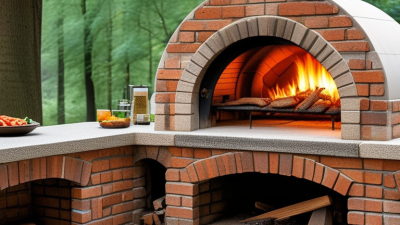
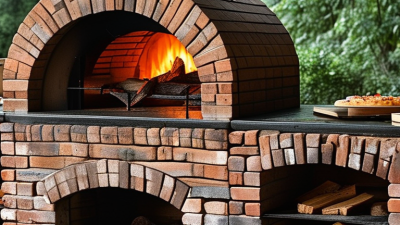
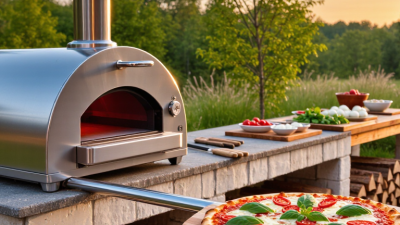
7 Tips for Buying an Outdoor Fireplace With Pizza Oven
Buying a fireplace with pizza oven outdoor can transform a patio into a warm, useful cooking space. It can also become an expensive mistake when appearance leads the decision. A glowing fire looks inviting, but heat control, installation, cleaning, and daily convenience matter more after the first few gatherings.
Russ Faulk, Chief Designer at Kalamazoo Outdoor Gourmet, says, “Outdoor cooking should be designed around how people actually cook, not how equipment looks in a showroom.” That principle guides this practical introduction. The right model should match your cooking habits, available space, fuel preference, and local weather. A compact unit may suit a small terrace, while a larger masonry design needs stronger foundations and careful ventilation. Measure twice.
The seven tips ahead examine oven temperature, construction materials, fuel systems, chimney design, safety clearances, maintenance, and total cost. They also consider details that product photos hide. Can you reach the wood storage without stepping around hot doors? Does the cooking surface hold a twelve-inch pizza comfortably? Will rain collect near the firebox? These questions feel small until dinner begins.
Some choices remain personal. Gas offers convenience, while wood provides deeper aroma and ceremony. Neither option is perfect. Even experienced buyers can underestimate cleaning time or evening smoke. That is worth admitting. A fireplace with pizza oven outdoor should not only impress guests; it should work reliably on an ordinary Saturday. Good buying decisions begin with honest use, not showroom excitement.
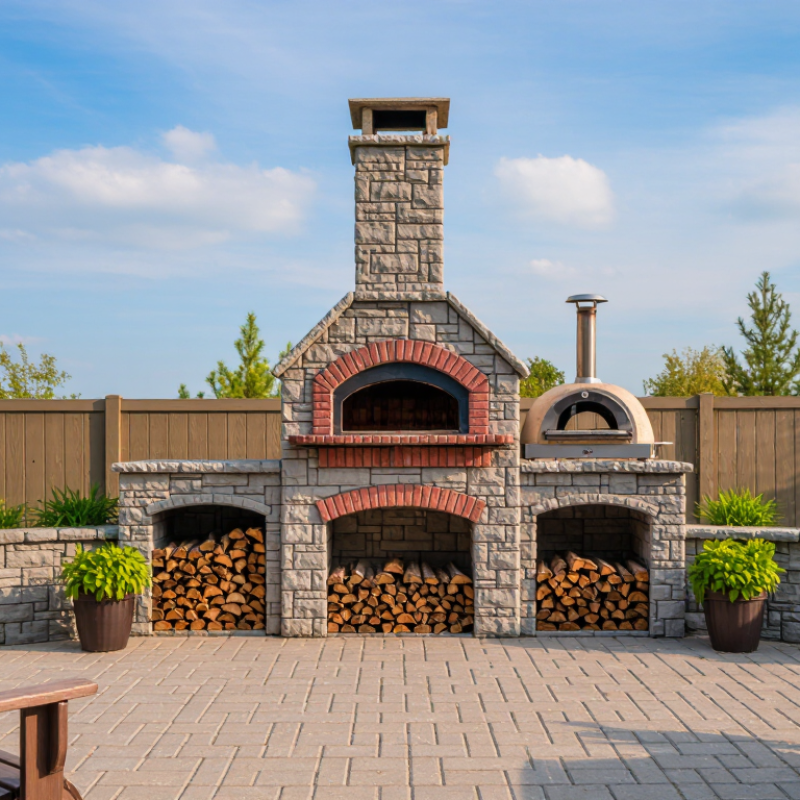
Identify Your Outdoor Cooking and Heating Needs
Before choosing an outdoor fireplace with a pizza oven, define how you will use it. Will it provide evening warmth, weekend meals, or both? A family that cooks two pizzas every Saturday needs different capacity than someone who occasionally heats frozen snacks. Count your usual guests, serving space, and available fuel storage. Measure the patio carefully, including walking paths and roof clearance.
Heat performance also depends on your outdoor conditions. An open, windy patio may need stronger radiant heat than a sheltered courtyard. Decide whether you prefer quick gas ignition or the slower flavor and atmosphere of wood. Wood requires dry storage, ash removal, and closer supervision. Gas offers convenience, but it may not create the same cooking character. Neither option is perfect.
For pizza, examine oven width, insulation, temperature control, and access to the cooking surface. A narrow oven can struggle with turning a twelve-inch pizza. A built-in thermometer helps, but a separate infrared thermometer provides more dependable readings. Check whether the hearth height feels comfortable before installation. You may discover that a beautiful unit is awkward to use. Review local fire, ventilation, fuel, and clearance requirements with a qualified installer. Keep children away from hot doors and store tools safely. Planning around real habits, rather than imagined entertaining, usually produces the better choice.
Choose the Right Size, Layout, and Installation Requirements
Buying an outdoor fireplace with a pizza oven starts with the site, not the flames.
HPBA consumer research reports that about 80% of U.S. households own a grill or outdoor cooking appliance. That popularity makes planning more important, not less. Measure the cooking zone, walking paths, seating, and door swings. Leave room to open the oven safely. Choose a size that matches real use. A two-person household rarely needs a commercial-scale hearth. I once overestimated entertaining space. The oven dominated the patio and reduced useful seating.
Use the layout to separate heat, smoke, and traffic.
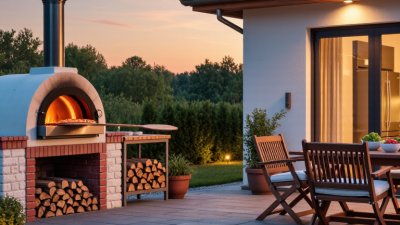
Place the opening away from prevailing winds, windows, and play areas. Keep fuel storage dry and outside the main walkway. Confirm the floor can support the unit, especially with masonry construction.
The National Fire Protection Association’s Home Grill Fires report for 2017–2021 estimated 11,900 annual home fires involving grills, hibachis, or barbecues. A fireplace is not identical, but the warning remains relevant. Verify clearances in the installation manual and local adopted code. Do not guess.
Check chimney height, spark control, ventilation, and noncombustible surfaces before ordering.
A qualified installer should review gas, electrical, drainage, and footing requirements. The International Residential Code and local amendments may impose different rules. Ask for written dimensions, heat-clearance diagrams, and inspection requirements.
Test the workflow with cardboard before building.
Can two people pass behind the cook? Can a hot peel rest safely? These details expose bad layouts. Allow service access, too.
It is easy to design for launch day and forget cleaning, ash removal, or future repairs. Smaller can be wiser. Oversizing may waste space, but undersizing can create its own frustration.
Evaluate Materials, Safety Features, and Weather Resistance
7 Tips for Buying an Outdoor Fireplace With Pizza Oven
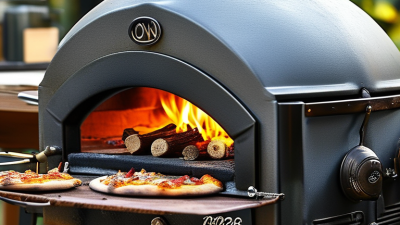
Evaluate materials, safety features, and weather resistance before trusting attractive flames. Choose 304 or 316 stainless steel, especially near salty air. Inspect welds, hinges, burner controls, and the cooking chamber. Cast iron retains heat effectively, but exposed edges can rust after coating damage. Refractory insulation should feel substantial, not hollow or flimsy.
Use seven practical checks. Check the base for a wide, stable footprint. Check the chimney for a spark arrestor and rain cap. Check the door seal and ventilation openings. Check required clearances against the installation manual. Check drainage around the oven floor. Check whether replacement stones, grates, and seals remain available. Finally, ask whether the design aligns with ASTM F3363, a safety and performance specification for outdoor fireplaces. The National Fire Protection Association reported an average of 44,210 home heating fires annually from 2016 to 2020. That figure does not isolate pizza ovens, but it reinforces careful placement and supervision.
Weather resistance needs evidence. NOAA recorded 28 billion-dollar weather and climate disasters in the United States during 2023. Look for sealed controls, stainless fasteners, protected insulation, and a fitted rain cover. Coastal homes may need 316 stainless steel instead. Freeze-thaw cycles can crack masonry and ceramic components. Ask about drainage and winter storage. Avoid vague claims such as “all-weather.” Measure nearby walls, furniture, and roof overhangs. Leave more space than the minimum when possible. I once underestimated rain exposure; the oven cooked well, but poor drainage became the real weakness.
Review Maintenance Needs, Accessories, and Overall Value
Buying an outdoor fireplace with a pizza oven requires more than checking flame size. Check the firebox lining, door seals, chimney path, and cooking surface. These parts face soot, rain, and repeated thermal shock. NFPA analysis of 2016–2020 data estimated 48,530 home heating fires annually. That figure includes many heating systems, not just outdoor fireplaces. Still, it supports careful inspection and cleaning. Choose a model with removable ash access. Confirm that replacement parts remain available. I would not trust a decorative cover alone; trapped moisture can damage metal.
Review maintenance needs before comparing prices. Tip one: ask how often the chimney requires inspection. Tip two: confirm whether the cooking stone can be replaced. Tip three: check if grease trays and ash pans are easy to remove. Tip four: measure the cover’s ventilation. Tip five: inspect the wheels, hinges, and handles. Tip six: budget for a heat-resistant glove, brush, infrared thermometer, and weather cover. Tip seven: verify the installation surface and required clearances. Small details matter.
Accessories affect real value. The Hearth, Patio & Barbecue Association reported that about 80% of U.S. households owned a grill or smoker in recent consumer research. Frequent outdoor cooking makes storage and cleanup features more valuable. A peel holder, side shelf, and sealed wood compartment can save time. However, accessories often cost more than expected. My own mistake would be buying a large oven before checking fuel storage and patio space. Measure twice. A cheaper unit may win initially, yet a repairable, well-insulated model can reduce long-term inconvenience.
7 Tips for Buying an Outdoor Fireplace With Pizza Oven
Practical evaluation priorities for reviewing maintenance needs, accessories, cooking performance, and overall value.
The scores use a 10-point purchasing checklist: safety and installation should receive the greatest attention, while accessories and value help refine the final decision.