How to Choose an Outdoor Brick Fireplace with Pizza Oven

Choosing an outdoor brick fireplace with pizza oven involves more than appearance, brick color, or impressive product photographs. The right design must balance cooking performance, heat control, ventilation, maintenance, and site safety. A masonry structure may look permanent and elegant, yet poor planning can create smoke problems, cracked joints, or uncomfortable heat near seating areas.

Industry evidence supports a careful approach. The National Fire Protection Association reported an annual average of 48,530 home heating equipment fires between 2016 and 2020, causing approximately $1.1 billion in property damage. That figure covers many heating appliances, not outdoor pizza ovens alone. Still, it shows why clearances, chimney design, spark control, and professional installation deserve attention. The U.S. Environmental Protection Agency also identifies fine particulate matter in wood smoke as a significant air-quality concern. Fuel choice and clean burning matter.

A practical buyer should examine the oven’s internal dimensions, insulation layers, refractory floor, door fit, and chimney height. A 36-inch cooking chamber may handle several pizzas, but it also needs more fuel and longer heat-up time. Smaller ovens respond faster. They may suit weekday cooking better. Brick stores heat effectively, although it can take hours to cool. That detail is easy to underestimate. Local building requirements, property boundaries, and homeowner association rules can also affect placement. No single model wins every setting. The best choice reflects actual cooking habits, available space, prevailing wind, and a realistic maintenance budget. Even experienced buyers can overlook drainage around the foundation, which may later become an expensive weakness.

How to Choose an Outdoor Brick Fireplace with Pizza Oven

Define Your Outdoor Space, Climate, and Installation Requirements

How to Choose an Outdoor Brick Fireplace with Pizza Oven

Define the space before choosing the fireplace. Measure seating, cooking, and safe walking zones. Leave room for wood storage and ash removal. The U.S. Fire Administration recommends keeping outdoor fire features away from combustible materials and overhead structures. Local rules may require additional clearances, spark protection, or permits. Check them before purchasing materials.

Climate changes the design. In freeze-thaw regions, trapped moisture can expand inside brick and mortar. That pressure may cause cracking. Use frost-resistant masonry, a sloped cap, and reliable drainage. In wet climates, a covered roof can protect the oven, but it must not restrict smoke movement. The National Oceanic and Atmospheric Administration’s climate data can help estimate rainfall, wind, and temperature extremes for your location. Wind matters more than many owners expect.

Installation needs equal attention. A reinforced, level foundation should support the oven’s concentrated weight. The foundation must also separate hot masonry from combustible decking. The National Fire Protection Association’s NFPA 211 addresses fireplace, chimney, and venting safety. Follow its principles, local building codes, and the oven manufacturer’s tested clearances.

The U.S. Environmental Protection Agency warns that wood smoke contains fine particulate matter, including PM2.5. Properly seasoned wood, adequate airflow, and a correctly sized flue reduce smoke problems. Do not guess the chimney height. That shortcut often creates poor draft, staining, and uncomfortable smoke near guests. Some attractive layouts simply fail in real wind.

Compare Fireplace and Pizza Oven Designs for Cooking and Heating

An outdoor brick fireplace with a pizza oven should match your main cooking and heating habits. A fireplace uses an open firebox, wide mouth, and tall chimney. It spreads radiant heat toward people sitting nearby. However, much of the heat escapes upward. It works well for warming a patio, but less efficiently for baking.

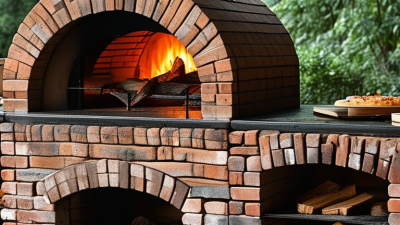
A pizza oven usually has a low, insulated dome and a small opening. The dome stores heat in its brickwork and reflects it across the cooking floor. A properly heated floor can bake pizza quickly while retaining warmth for bread or vegetables. It does not warm guests as evenly as an open fireplace. The front area may feel hot, while the sides remain cool.

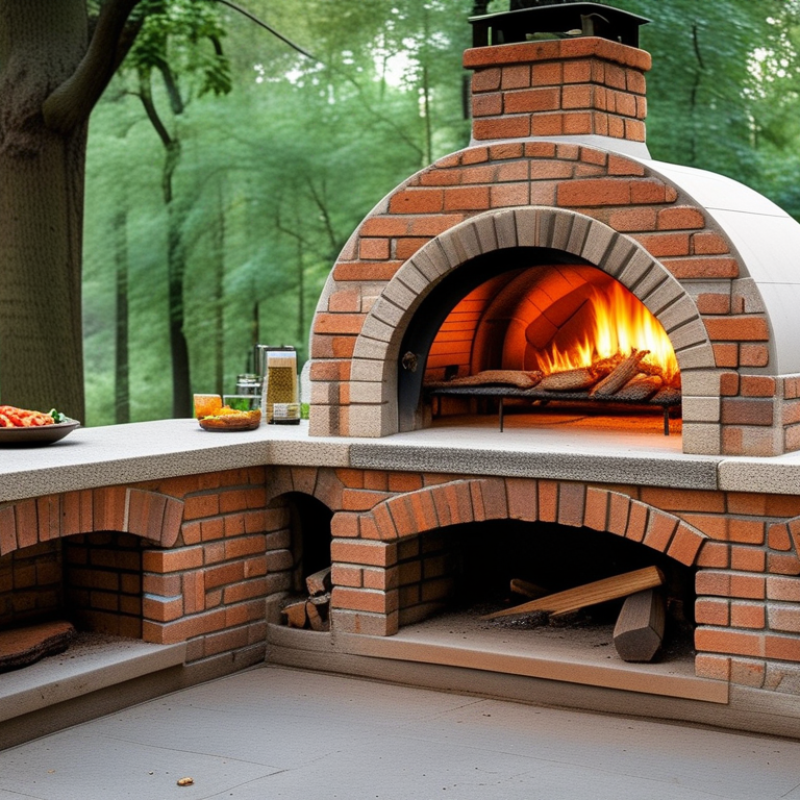
I prefer a combined design with separate chambers. It keeps cooking smoke away from the seating area. A shared chamber costs less space, but heat control becomes harder. Measure the cooking floor carefully. A crowded oven restricts airflow and makes turning pizza difficult. Use dense, heat-rated masonry, strong insulation, and a chimney sized for steady draft. Local building requirements should guide clearances and foundation work.

Test the oven slowly.

My first trial would be a small fire. Bricks can crack when moisture leaves too quickly. I would also check smoke movement on a windy day. Even a well-built oven may need adjustment. A slightly larger hearth can improve handling, though it reduces seating space. Choose the design that supports your real routine, not just its appearance.

Evaluate Materials, Construction Quality, and Heat Resistance

How to Choose an Outdoor Brick Fireplace with Pizza Oven

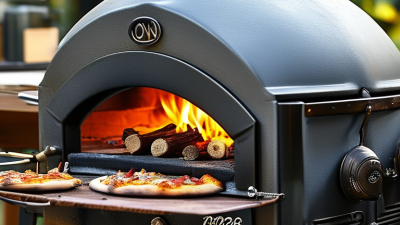
Material selection controls durability, cooking consistency, and safety. Choose dense firebrick for the oven floor and dome. Ordinary clay brick may crack under repeated thermal shock. ASTM C27 classifies refractory products by composition and intended service, but it does not guarantee one universal operating temperature. Ask for the product’s tested temperature rating. Look inside. The cooking chamber should have tightly fitted bricks and refractory mortar, not ordinary cement mortar. Ceramic-fiber or castable insulation reduces heat loss and protects the outer shell. A stainless-steel door and properly sealed flue can also limit moisture entry. However, stainless steel alone does not prove quality.

Construction details deserve close inspection. Joints should be narrow and consistent, with no visible voids around the dome. The oven needs an expansion allowance because masonry and metal expand differently. Check the base for drainage, a level foundation, and weather-resistant joints. ASTM C67 testing covers brick absorption, strength, and freeze-thaw performance; request test documentation when the fireplace will face wet or freezing weather. NFPA’s Home Structure Fires report recorded an average of 44,210 heating-equipment fires annually from 2016 to 2020 in the United States. An outdoor oven still needs clearances, spark control, and a stable chimney. I would not trust decorative brick as a heat shield. Color can mislead. A small crack may seem harmless, yet repeated firing can widen it. My inspection would include a slow first burn, temperature checks at the outer wall, and a careful review of the installation instructions.
Check Ventilation, Safety Features, Maintenance, and Local Regulations

Choosing an outdoor brick fireplace with a pizza oven requires more than judging its appearance. Watch how smoke moves during cooking. A chimney should rise above nearby rooflines and direct fumes away from seating areas. The oven opening also needs enough clearance for comfortable handling. Poor airflow can leave smoke around your face and create soot inside the cooking chamber. I learned this after positioning a small oven too close to a garden wall.

Safety features deserve careful attention. Choose a model with stable, heat-resistant doors and secure handles. Keep combustible furniture, fences, and stored firewood at a safe distance. A non-combustible hearth protects paving from falling embers. Check whether the structure includes spark control and proper insulation. Children should not reach the oven mouth. The surface may remain dangerously hot long after cooking ends.

Tips: Ask a qualified installer to inspect ventilation before construction. Confirm local rules for outdoor fireplaces, chimney height, setbacks, and smoke emissions. Some areas require permits or restrict solid-fuel appliances. Keep a metal ash container with a tight lid. Remove ash only after it cools completely. Inspect joints each season for cracks, loose bricks, or water damage. Brick maintenance is often underestimated. Rain can enter tiny gaps and expand during freezing weather. I would also test airflow on a calm day, though wind conditions can make the result imperfect. A professional inspection remains the safer reference.

Choose the Right Size, Fuel Type, Budget, and Essential Accessories

Choosing the right size starts with your cooking habits and outdoor space. Measure the patio carefully, including working clearance around the fireplace. A compact oven suits two or three people and heats faster. Larger models handle several pizzas, but they consume more fuel and need stronger flooring. Heat retention also matters. Thick masonry warms slowly, then cooks steadily. I once underestimated the space needed for opening the oven door. That mistake made serving awkward.

Fuel type changes the cooking experience. Wood creates a smoky flavor and intense heat, but it needs dry storage and regular ash removal. Gas offers cleaner, quicker control, especially for weeknight cooking. Some dual-fuel designs provide flexibility, although they usually cost more. Set a realistic budget before choosing materials, insulation, installation, and weather protection. The cheapest unit may become expensive if the base needs rebuilding or the chimney requires changes.

Tips: Include a fitted cover, heat-resistant gloves, a long-handled peel, an infrared thermometer, and a sturdy ash tool. A small log rack keeps fuel off damp ground. Check ventilation, local installation rules, and the manufacturer’s clearance guidance before lighting the oven. Leave room for a prep shelf and safe cooling space. I prefer simple accessories, but I still forget how quickly flour covers every surface. Clean the cooking floor only when it is completely cool.