What Is the Best China Fireplace Oven for Global Buyers?
Choosing the best China fire place oven for global buyers requires more than comparing prices and polished product photos. Buyers should examine heat performance, material quality, safety controls, installation support, and long-term maintenance. A reliable oven must handle repeated heating without severe warping or cracking. It should also suit the local climate, fuel standards, kitchen layout, and cooking habits.
Stefano Ferrara, a third-generation wood-fired oven maker, has said, “A good oven is built around heat, not decoration.” That principle remains practical. A thick refractory floor can retain heat for pizza, bread, and roasting. Proper insulation helps protect surrounding walls and reduces wasted fuel. Stainless-steel doors, stable hinges, accurate thermometers, and replaceable parts also matter. Small details become expensive problems when a supplier cannot provide technical documents or spare components.
China offers many capable manufacturers, but quality is not uniform. Some factories provide excellent welding and consistent insulation. Others focus heavily on appearance while neglecting thermal testing. This is where buyers need evidence, not promises. Request factory videos, material specifications, test reports, warranty terms, and clear packaging details. Ask how the fire place oven performs after repeated heating cycles. The answer may reveal more than a showroom photograph.
Global buyers should also consider shipping damage, local installation rules, ventilation requirements, and after-sales communication. A cheaper unit may become costly after repairs, delays, or missing parts. No selection is perfect. Even experienced buyers can overlook regional fuel differences or user training. Careful verification remains the safest approach. The best China fire place oven is not simply attractive or inexpensive. It is a tested, supportable, and practical investment for its intended environment.
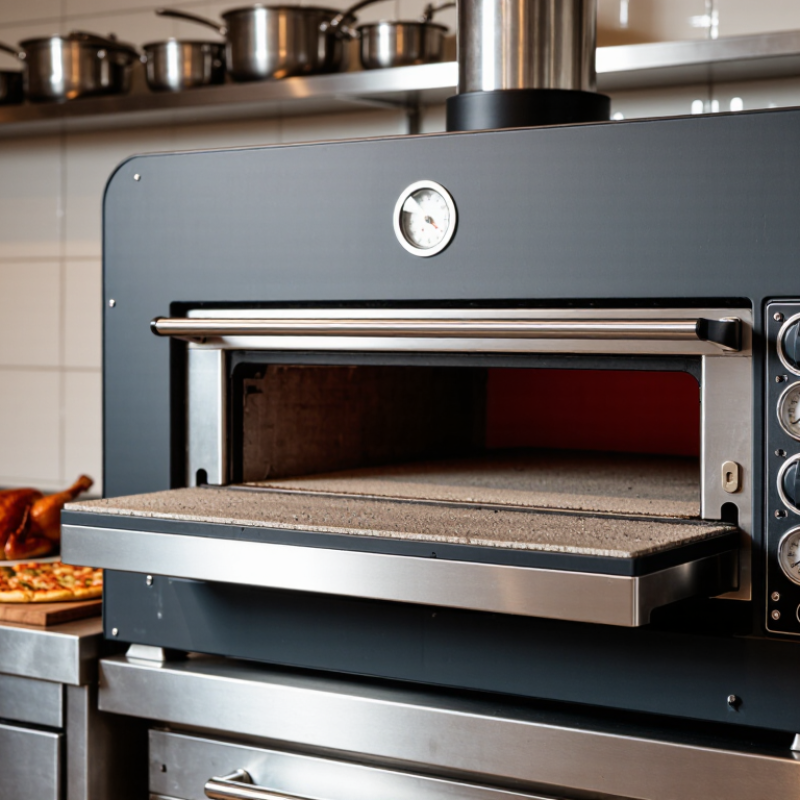
Defining China Fireplace Ovens: Wood, Gas, Pellet, and Hybrid Categories
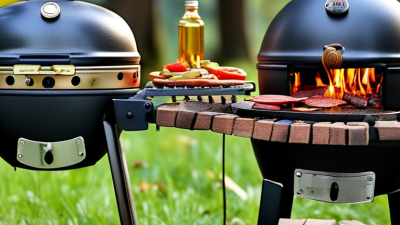
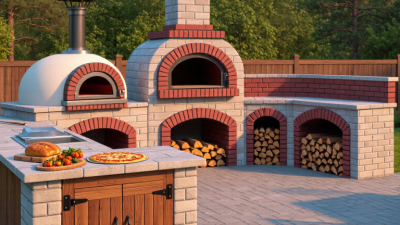
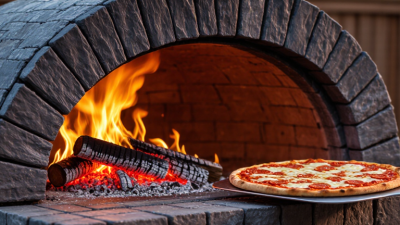
China fireplace ovens generally fall into four fuel categories: wood, gas, pellet, and hybrid. Each creates a different cooking rhythm, heat pattern, and installation requirement. Wood-fired models offer smoky flavor and strong radiant heat, but they need dry hardwood, regular ash removal, and careful airflow control. Heat can fluctuate noticeably.
Gas models provide cleaner, faster adjustment through a visible burner flame. They suit restaurants and homes needing predictable temperature changes. Buyers must verify gas type, inlet pressure, burner safety controls, and local ventilation rules before ordering. A simple adapter may not solve an incorrect gas configuration.
Pellet ovens use compressed wood fuel and often include automatic feeding systems. They can hold steady temperatures with less manual tending, although electricity is usually required. Pellet quality also affects ignition, ash, and flavor. Hybrid ovens combine two fuel systems, such as wood and gas, for flexibility. However, they contain more components and may require more maintenance.
A reliable purchase depends on more than the fuel label. Check cooking-floor material, insulation thickness, door sealing, chimney diameter, electrical voltage, and spare-part access. Request test records, installation drawings, and destination-market compliance documents. In supplier evaluations, I would also inspect packaging around the refractory floor, because small cracks may appear after long transport. A mistake worth admitting: choosing maximum heat alone can produce uneven pizza and wasted fuel. Exact cooking needs should guide the category.
Comparing Key Metrics: 70–85% Efficiency, Heat Output, and Burn Time
For global buyers, a China-made fireplace oven should be judged by measured performance, not appearance alone.
Claimed efficiency commonly ranges from 70% to 85%, but testing methods differ. The U.S. EPA Wood Heater Database reports efficiency using standardized laboratory conditions, while European Ecodesign assessments distinguish useful heat from fuel energy. A higher number is valuable only when the test basis is clearly stated.
Heat output needs equal attention.
A compact oven may deliver 6–8 kW, while larger models can exceed 12 kW. The European Commission’s space-heating studies show that room size, insulation, and climate strongly affect required capacity. Oversizing can create short, smoky burns. That wastes fuel. Undersizing leaves a cold kitchen and uneven cooking temperatures.
Burn time is harder to compare.
Some suppliers quote six to ten hours, but this may mean overnight ember retention rather than continuous rated heat. In practical testing, log size, moisture, airflow settings, and chimney draft change the result. Dry wood near 20% moisture usually burns more predictably, consistent with guidance from the U.S. EPA Burn Wise program. Buyers should request output curves, test-fuel details, and emissions data. I would also ask for cold-start results. They reveal weaknesses quickly. A 70% oven with stable heat may outperform an 85% model under real household conditions.
Evaluating Construction: 5–8 mm Steel, Cast Iron, and Firebrick Linings
For global buyers, the best China fireplace oven is not defined by appearance alone. Construction determines heat retention, cooking stability, and service life. A 5–8 mm steel body heats relatively quickly and keeps the oven lighter. Thicker steel usually resists distortion better, especially during repeated high-temperature firing. However, steel can lose heat faster after the fire weakens.
Cast iron behaves differently. It stores heat effectively and spreads warmth through heavy sections. This suits slow roasting and steady baking. Its weakness is thermal shock. Sudden temperature changes may cause cracking, particularly around doors, corners, or thin cast sections. Buyers should inspect casting consistency, surface defects, and the quality of fitted joints.
Firebrick linings add thermal mass and protect the outer shell. Dense firebrick can hold a stable baking temperature while shielding steel from direct flame. The lining should have even thickness, tight placement, and space for thermal expansion. Mortar quality matters too. Loose joints can shed grit onto food or create cold spots.
I once treated heavier construction as automatically better.
That assumption was incomplete. Excess weight can complicate installation, shipping, and foundation planning. A practical evaluation checks weld penetration, door alignment, insulation thickness, and replacement access. Ask for material specifications, temperature testing, and clear maintenance instructions. Small details often reveal more than polished photographs.
Selecting Suppliers Through Testing, MOQ, Warranty, and Landed-Cost Data
For global buyers, the best China fireplace oven is not simply the cheapest unit.
Supplier selection should begin with repeatable testing. Request thermal-efficiency results, smoke-emission data, material certificates, and photographs from production batches. For solid-fuel models, verify testing against the destination market’s applicable appliance standards, such as EN 16510 or relevant ASTM requirements. Check heat-up time, cooking temperature stability, insulation performance, door sealing, and ash removal. One sample is not enough.
MOQ also needs practical testing.
A low MOQ can reduce inventory risk, but it may limit customization or weaken quality control. Ask whether the supplier can maintain identical steel thickness, refractory composition, and packaging across small orders. Warranty terms should specify coverage periods, replacement parts, labor responsibility, and response times. The World Bank’s 2023 Logistics Performance Index measures customs, tracking, infrastructure, and timeliness. These factors affect real warranty service, not just delivery speed. A supplier with clear batch records is more reliable than one offering vague promises.
Landed cost must include more than the factory quotation.
Add tooling, export packing, inland transport, ocean freight, insurance, duties, taxes, port fees, inspection, and destination delivery. UNCTAD’s Review of Maritime Transport reports continued freight-rate volatility and disruption risks, so a single shipping quote can age quickly. Use at least three freight scenarios. A spreadsheet helps, but it cannot predict every port delay. I would also price spare stones, thermometers, seals, and damaged-unit replacement. The cheapest oven can become expensive after one cracked panel.