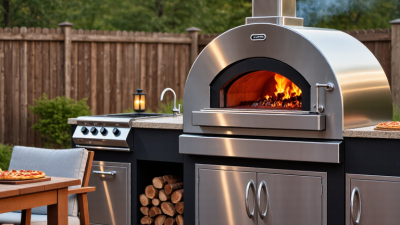
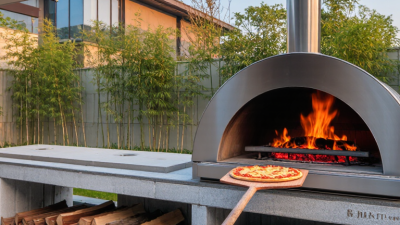
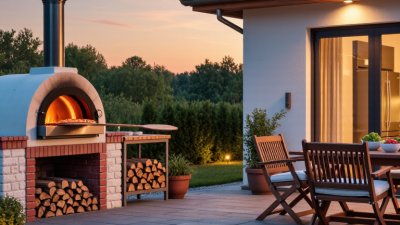
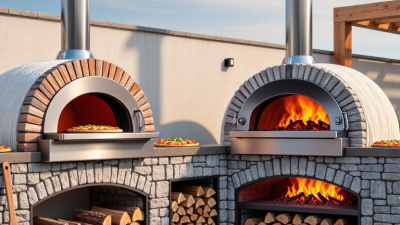
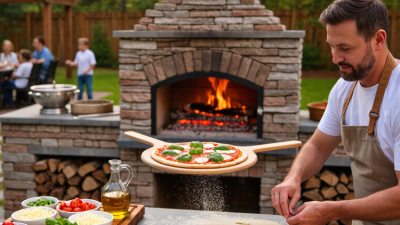
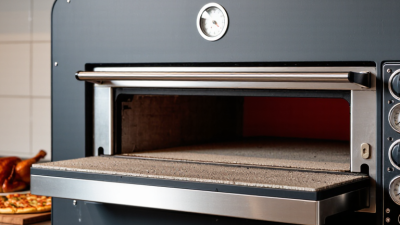
An outdoor fire place and pizza oven can turn an ordinary patio into a welcoming cooking space. It offers more than warmth, especially when friends gather around glowing flames. Fresh dough, smoky vegetables, and roasted herbs create an experience that indoor appliances rarely match. The atmosphere feels memorable.
Choosing one requires practical judgment. Consider the oven’s materials, insulation, cooking surface, and heat retention before focusing on appearance. A well-built model should withstand weather, repeated heating, and regular cleaning. Experienced users also value stable airflow, accessible ash removal, and a generous work surface. Small details matter.
Location deserves equal attention. The installation area should have firm, level ground and safe clearance from walls, furniture, and overhead branches. Local building and fire-safety requirements may influence the design. Professional installation can reduce risks, particularly with permanent masonry units or gas connections. Always follow the manufacturer’s instructions.
Still, this feature is not effortless. Wood needs dry storage, fires require supervision, and cooking temperatures take practice. My first pizzas would not have impressed anyone. The crust burned while the center remained soft. That failure taught me to rotate the pizza, manage embers, and preheat patiently.
For households that enjoy outdoor cooking, the investment can support useful routines and shared meals. It may also increase maintenance and limit patio flexibility. A thoughtful comparison helps separate genuine value from attractive marketing. The best choice fits your space, cooking habits, budget, and willingness to learn. That balance makes the outdoor fire place and pizza oven a practical centerpiece, not merely a decorative feature.
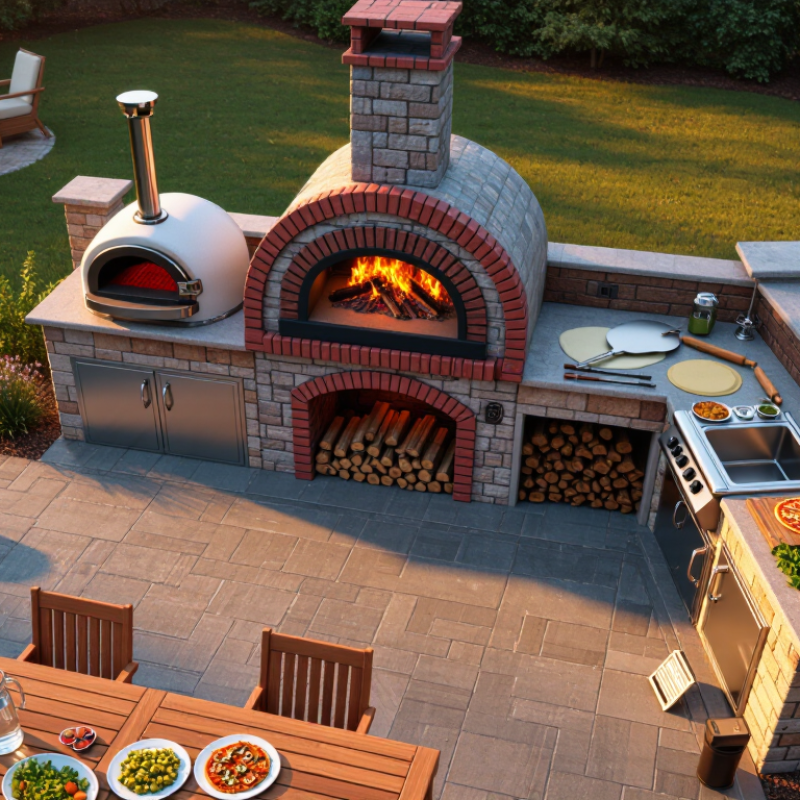
An outdoor fireplace and pizza oven combines warmth with high-temperature cooking in one compact system. Its fireplace chamber radiates steady heat, making cool evenings more comfortable around the cooking area. The oven floor can reach 430–480°C when properly heated. That temperature allows a pizza to cook quickly, often in only a few minutes.
From practical use, heat management matters more than simply building a large fire. Dry hardwood creates strong heat, while well-seasoned fuel produces less unwanted smoke. I watch the flame, check the stone temperature, and move embers when needed. A small infrared thermometer helps, but it cannot replace experience. The oven may read 450°C near the rear and remain cooler near the entrance. That difference affects crust color and cooking time.
The two-in-one design also changes outdoor hosting. Guests can enjoy the fireplace glow while pizzas cook nearby. The cooking surface needs regular brushing, and wet dough can cool the stone quickly. I once rushed the first pizza and found a pale base with burnt toppings. It was a useful mistake. Preheating usually takes patience, especially in cold or windy weather. A well-built hearth, safe clearance, and controlled airflow support more reliable results. Don’t chase flames alone. Watch the heat.
A two-in-one outdoor system combines the radiant warmth and atmosphere of a fireplace with a high-temperature cooking chamber. Pizza is typically baked at 430–480°C, while lower-temperature zones support bread, roasting, and gentle warming.
Why Choose an Outdoor Fire Place and Pizza Oven?
Fuel choice changes the entire cooking experience. Wood creates lively flames, aromatic smoke, and strong radiant heat. However, it needs steady attention and clean, dry logs. Gas offers faster ignition and easier temperature control. It feels more predictable, especially during busy outdoor meals. Charcoal can provide deep heat, but temperature adjustments are less immediate. I would not call one fuel universally best.
Heat retention depends on more than the flame. A thick baking stone, insulated walls, and a well-built dome store heat longer. After preheating, the stone should feel intensely hot, not merely warm. A surface thermometer helps, although readings can vary across the cooking floor. That small inconsistency matters. One side may brown faster than the other.
For a 60–90-second pizza, the oven usually needs very high heat, often around 430–480°C. Thin dough works best because it cooks before the crust dries. Launch the pizza carefully, then rotate it every 20–30 seconds. Watch the rim, not only the timer. A blistered edge and melted toppings signal progress. Still, fast cooking has limits. Wet toppings, thick dough, or weak heat retention can extend cooking time significantly. In practice, the first pizza often exposes poor preparation. The second one is usually better. Barely better.
Outdoor comfort depends less on flame size than on how heat reaches people. A well-built fireplace directs radiant heat toward chairs, warming shoulders, hands, and cool evening air. Unlike forced air, radiant warmth feels immediate and quiet. It also fades quickly when seating is too far away. Measure the comfort zone.
Smoke control requires equal attention. Dry, seasoned wood burns more cleanly and produces less visible smoke. Adequate airflow supports a steadier flame and reduces smoldering. A properly designed flue carries smoke above the seating area, though wind can still reverse the draft. I once underestimated a crosswind near a garden wall. The result was smoky clothing and irritated eyes. That mistake made wind direction impossible to ignore.
An outdoor pizza oven adds useful heat retention. Its heated floor can cook pizza while the surrounding masonry warms nearby guests. However, a low oven opening may release smoke directly toward seated people. Place the oven where prevailing winds move exhaust away from doors and dining areas. Keep furniture beyond the hot zone, and use heat-resistant flooring beneath the unit. Check local installation guidance before building permanent structures. Clean ash regularly, inspect the flue, and never assume a calm-looking fire has stopped producing heat.
Why Choose an Outdoor Fire Place and Pizza Oven?
An outdoor fireplace and pizza oven can create warmth, useful cooking space, and a natural gathering point. Safety begins with controlled fuel and careful installation. The target moisture level for firewood should stay below 20 percent. I use a moisture meter on freshly split surfaces, not only on the outer bark. Dry-looking wood can still burn poorly. Looks deceive.
I once treated a dry-looking log as ready fuel; that was careless. Damp wood produced heavy smoke, weak heat, and more residue inside the chimney. Store split logs under a roof, with open sides for airflow. Keep them raised from wet ground. Avoid painted, treated, or unknown wood, because harmful fumes may enter the cooking area.
Clearances deserve equal attention. Keep the fireplace away from walls, fences, furniture, roof edges, and overhanging branches. A pizza oven can release sparks when flames rise near the opening. Follow the larger clearance requirement from local fire rules, building codes, and installation instructions. A noncombustible hearth should extend beyond the firebox and oven entrance. A spark screen, secure door, and inspected chimney add practical protection. Children need a visible boundary, not just a warning. I sometimes underestimate how quickly a stone surface stays hot. That mistake is worth remembering. Have a qualified installer check ventilation, structural support, and chimney height before regular use.
An outdoor fireplace and pizza oven can transform a cold patio into a usable gathering space. Installation costs vary sharply. A masonry fireplace may cost $6,000–$20,000, while a built-in pizza oven often costs $3,000–$12,000. These estimates include typical construction, ventilation, hearth work, and professional labor. Regional wages and foundation requirements can change the final quote. The 2024 RSMeans Residential Cost Data confirms that material and labor pricing differs substantially by location.
Budget for more than construction. A chimney inspection should occur at least annually when solid fuel is used, according to NFPA 211 guidance. Cleaning, ash removal, mortar repairs, waterproofing, and replacement cooking surfaces add recurring expenses. Set aside roughly $150–$500 yearly for routine professional care, excluding major structural repairs. It is an estimate, not a guarantee.
Long-term value depends on safe design and regular use. The National Association of Realtors’ 2023 Remodeling Impact Report placed an outdoor kitchen’s average cost near $15,000, with about 67% recovered at resale. A fireplace and oven may improve buyer appeal, but they rarely return every dollar. I would question any promise of full payback. A covered seating area, durable drainage, and code-compliant ventilation may matter more than decorative stone. Small design mistakes become expensive later. Before approving work, compare three detailed quotes and confirm fuel, chimney, foundation, and maintenance requirements.
| Evaluation Dimension | Outdoor Fireplace | Outdoor Pizza Oven | Combined Fireplace and Pizza Oven |
|---|---|---|---|
| Primary Purpose | Ambient warmth, outdoor entertaining, visual appeal, and gathering around a fire. | High-temperature cooking for pizza, bread, roasted vegetables, and other dishes. | Combines outdoor heating, social atmosphere, and dedicated cooking functionality. |
| Typical Installed Cost in the United States | $3,000–$20,000 | $2,000–$15,000 | $8,000–$25,000+ |
| Main Cost Drivers | Firebox size, chimney height, foundation, masonry work, fire-rated materials, permits, and site access. | Oven size, insulation, cooking surface, fuel connection, stand or foundation, and weather protection. | Structural design, shared foundation, chimney and ventilation requirements, custom masonry, and utility connections. |
| Installation Time | Approximately 2–7 days for a standard project; custom masonry projects may take longer. | Approximately 1–5 days for a prefabricated unit; masonry ovens generally require more construction time. | Approximately 1–3 weeks, depending on design complexity, curing time, inspections, and weather. |
| Fuel Options | Usually seasoned firewood; some designs may use natural gas or propane where permitted. | Wood, natural gas, or propane, depending on the oven design and local utility availability. | Wood, gas, or a dual-fuel arrangement, subject to local codes and manufacturer specifications. |
| Typical Operating Cost per Use | Approximately $3–$12 for firewood, depending on burn duration and local fuel prices. | Approximately $1–$6 for wood or gas, depending on preheating time, fuel type, and local prices. | Approximately $3–$15 when heating and cooking during the same session. |
| Routine Maintenance | Remove ash after cooling, inspect the firebox and chimney, clean the flue, and check for cracks or water damage. | Remove ash, brush the cooking surface, inspect insulation and the oven door, and clean the chimney or burner system. | Requires maintenance for both the fireplace and oven, including separate inspections of combustion and ventilation components. |
| Estimated Annual Maintenance Cost | $150–$500 | $100–$400 | $250–$700 |
| Professional Inspection Frequency | At least annually for frequently used wood-burning systems; chimney inspections may be required more often if problems are found. | Annually for gas connections and ventilation components; wood-burning ovens should also receive periodic chimney inspections. | At least annually, with fireplace, oven, chimney, and gas components checked as applicable. |
| Expected Service Life | Approximately 15–30 years with proper drainage, weather protection, quality materials, and regular maintenance. | Approximately 10–25 years for well-maintained systems; refractory components may require earlier replacement. | Approximately 15–30 years, although burners, doors, seals, grates, and cooking surfaces may need replacement sooner. |
| Weather and Seasonal Considerations | Needs a rain cap, proper drainage, and protection from freeze-thaw cycles; covers can reduce moisture damage. | Should be protected from rain and snow; moisture control is especially important for insulated masonry and refractory materials. | Benefits from a roof or enclosure, water-resistant construction, drainage, and regular inspection after severe weather. |
| Space Requirement | Requires a noncombustible hearth, safe clearances, chimney space, and sufficient room around the seating area. | Requires a stable noncombustible base, working clearance, fuel access, and room for food preparation. | Requires the largest footprint and careful layout for seating, cooking, fuel storage, circulation, and chimney clearances. |
| Cooking Capability | Limited unless designed with a built-in grill, cooking grate, or hearth cooking surface. | Excellent for high-temperature pizza and roasting; many wood-fired ovens operate around 700–900°F when fully heated. | Provides both open-fire cooking and enclosed high-temperature baking, offering the broadest cooking range. |
| Comfort and Entertainment Value | High visual and social value, especially during cooler evenings and outdoor gatherings. | High interactive value because food preparation and cooking become part of the gathering. | Very high entertainment value, with heat, ambiance, and cooking available in one outdoor feature. |
| Potential Property Value Contribution | Can improve buyer appeal when professionally built, code-compliant, durable, and integrated with the landscape. | Can increase lifestyle appeal, particularly in homes with established outdoor kitchens or entertaining areas. | May offer the strongest lifestyle appeal, although resale return varies by location, design quality, and buyer preferences. |
| Key Long-Term Benefit | Creates a durable outdoor focal point that extends the usable season of a patio or yard. | Provides a specialized cooking experience and can reduce reliance on indoor cooking during gatherings. | Maximizes functionality and entertainment potential when the household regularly uses both heating and cooking features. |
| Main Limitation | Higher construction cost and maintenance requirements than a portable fire feature; smoke and clearance rules may apply. | Requires preheating, weather protection, and regular use to justify the investment. | Highest upfront cost, largest footprint, more complex permitting, and greater ongoing maintenance responsibility. |
| Best Fit For | Homeowners prioritizing warmth, ambiance, and a permanent outdoor gathering space. | Homeowners who frequently cook outdoors and want dedicated high-temperature baking performance. | Homeowners with adequate space and budget who want one permanent feature for heating, cooking, and entertaining. |
Cost figures are planning estimates in U.S. dollars for residential projects and can vary significantly by region, labor rates, permits, site conditions, fuel connections, materials, access, and design complexity. Local building, fire, gas, and chimney regulations should be verified before installation.