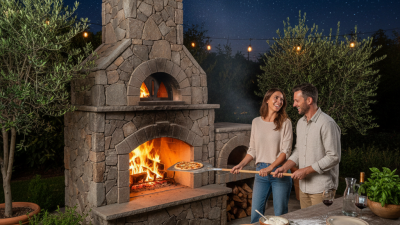
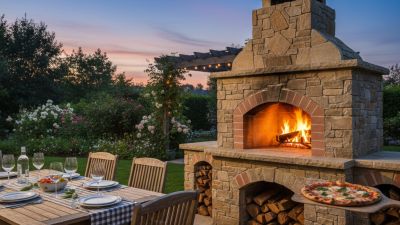
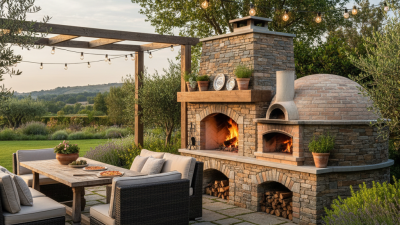
A fireplace oven is a versatile and charming addition to any home, merging the warmth of a traditional fireplace with the functionality of an oven for cooking and baking. Utilizing a fireplace oven can elevate your culinary experiences, allowing you to prepare a variety of delicious meals while enjoying the cozy ambiance of a crackling fire. This unique cooking method not only enhances flavors but also provides a rustic touch to both everyday meals and special occasions.
In this guide, we will explore practical tips and techniques for harnessing the full potential of your fireplace oven. From temperature management to understanding the best cooking times for various dishes, we will cover essential aspects that ensure your creations are both satisfying and flavorful. Whether you're roasting a hearty stew, baking artisan bread, or whipping up a delightful dessert, mastering the use of a fireplace oven will undoubtedly transform your indoor cooking adventures. Get ready to discover the art of cooking and baking within the warmth of your fireplace, making mealtimes an enjoyable experience for you and your loved ones.
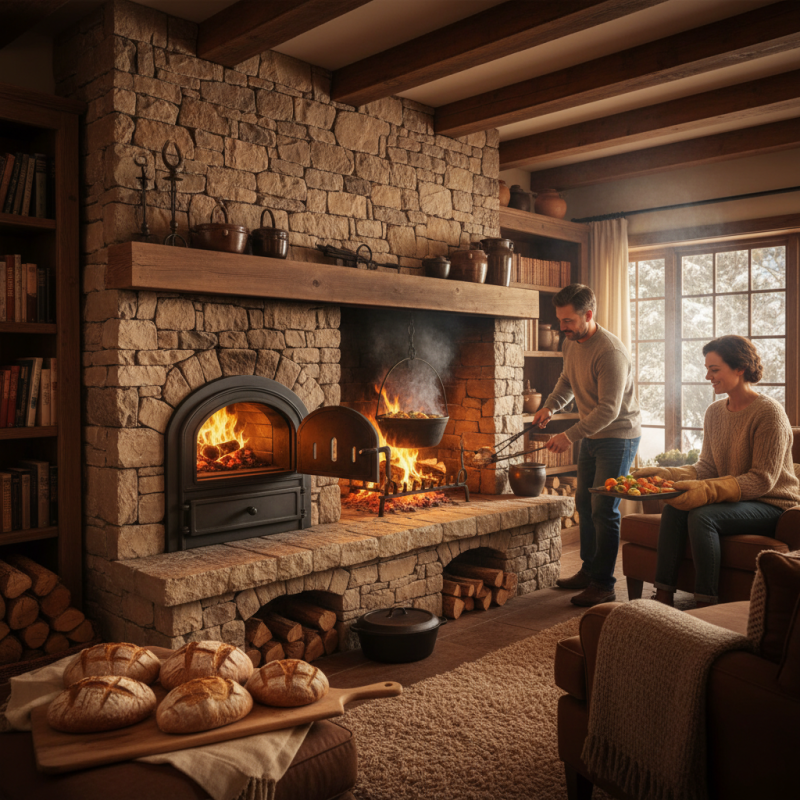
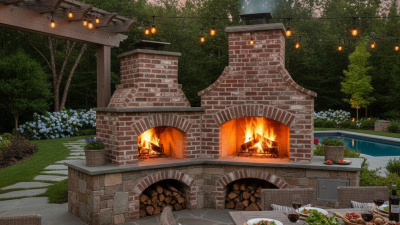
A fireplace oven is a unique appliance that combines the traditional elements of a fireplace with the functionality of an oven. It typically consists of a firebox for burning wood and a cooking chamber where food can be prepared. The firebox not only provides heat but also adds a distinct flavor to the food being cooked, making it a preferred choice for many culinary enthusiasts. Understanding the components of a fireplace oven is essential for anyone looking to make the most of this versatile cooking device.
The primary components of a fireplace oven include the chimney, the flue system, and the cooking surface. The chimney helps direct smoke and gases out of the kitchen, ensuring a safe and pleasant cooking environment. The flue system is crucial for regulating airflow, which affects the temperature and cooking efficiency. Additionally, the cooking surface can vary in material—from brick to stone—each offering different heat retention properties. Knowing how these components work together can help you achieve optimal cooking results, and mastering their interplay can truly elevate your indoor cooking and baking experience.
Before diving into the delicious world of cooking with a fireplace oven, it's essential to gather the right tools and materials to ensure a successful culinary experience. First and foremost, you’ll need to familiarize yourself with the oven's structure. Ensure that the flue is open and that the fireplace is clean to promote efficient heating. Additionally, check your firewood – opt for seasoned hardwoods as they burn hotter and cleaner, providing the ideal cooking environment.
Next, equip yourself with the necessary cooking utensils. A cast-iron skillet or Dutch oven is a versatile choice for various dishes, from stews to baked breads. It’s also wise to have heat-resistant gloves and long-handled tools for safety while managing the food in the heat of the fire. If you're planning to bake, consider investing in a baking stone to achieve that perfect crust. Moreover, a thermometer will help monitor the cooking temperature in the oven, as it can vary significantly due to the open flame. Also, don’t forget to prepare your ingredients ahead of time to streamline the cooking process, allowing you to fully enjoy the experience of cooking with the warmth and ambiance of your fireplace.
When utilizing a fireplace oven for cooking and baking, understanding fire management and heat distribution techniques is crucial for achieving optimal results. Effective fire management involves maintaining a consistent temperature, which can significantly influence cooking times and the overall quality of the food. According to the National Institute of Standards and Technology, proper airflow control is essential; it not only enhances combustion efficiency but also stabilizes temperatures, ensuring that heat is evenly distributed throughout the cooking environment. This is especially important for baking, where even minimal temperature fluctuations can affect the rise and texture of baked goods.
Heat distribution techniques also play a vital role in the performance of a fireplace oven. Utilizing a combination of wood types can enhance flavor while providing varied burn rates that contribute to even heating. A study from the University of Tennessee emphasizes the importance of placing food strategically within the oven; items closer to the fire tend to cook faster, while those farther away benefit from slower, more gentle heat. Additionally, rotating dishes during cooking can help counter uneven heat zones, leading to better results. By mastering these techniques, home cooks can fully leverage the unique qualities of a fireplace oven, creating delicious meals and baked treats that capitalize on the benefits of this traditional cooking method.
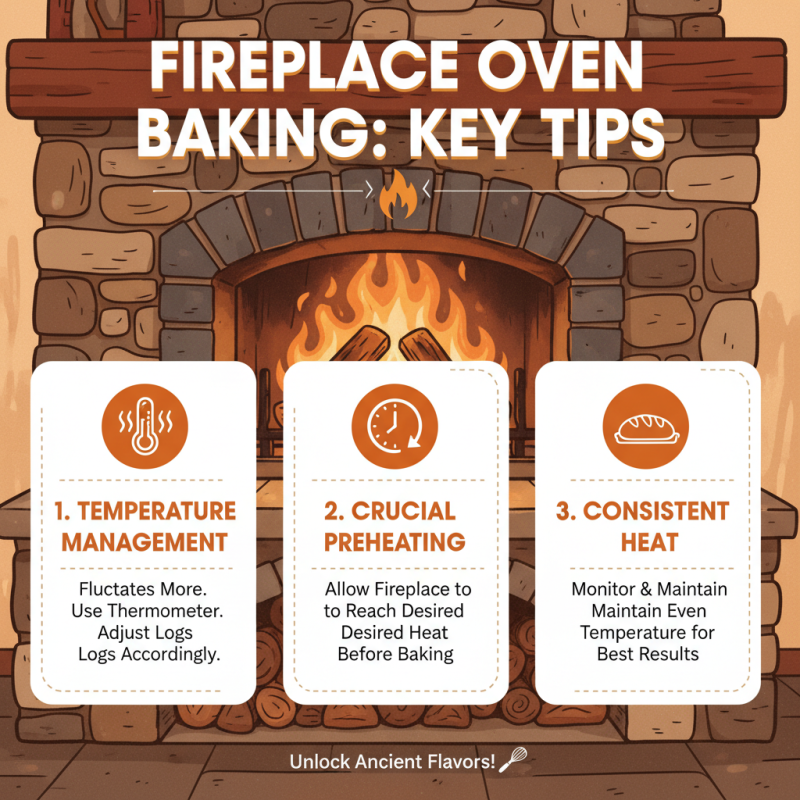
When it comes to baking indoors using a fireplace oven, understanding the unique elements of this method can greatly enhance your culinary results. The key to successful baking lies in managing the oven's temperature, which can fluctuate more than conventional ovens. Use a reliable oven thermometer to monitor the heat inside, and adjust the logs accordingly to maintain an even temperature. Preheating is crucial; allow the fireplace to reach the desired temperature before putting in your baked goods, similar to the classic preheat cycle of a standard oven.
Cooking with a fireplace oven also calls for careful attention to your baking times and techniques. Stoneware or cast iron pans work exceptionally well, as they can retain and distribute heat evenly. It’s beneficial to rotate your dishes midway through the baking process to ensure that every section bakes uniformly. For items that require precise temperatures, such as bread, using an internal thermometer to check doneness can take the guesswork out of baking. Finally, experiment with different recipes that allow the smoke and subtle flavors from the fire to infuse into your dishes, adding a unique twist to traditional baking methods.
When using a fireplace oven, safety should always be your top priority. Before you begin cooking or baking, ensure that the oven is properly cleaned and that there are no remnants of old wood or ash that could pose a fire hazard. Check all components, including the chimney and flue, for any blockages or build-up that could lead to dangerous fumes in your home. It is essential to have a functional smoke detector nearby, as well as a fire extinguisher easily accessible in case of emergencies.
Moreover, maintaining your fireplace oven is crucial for safe and efficient operation. Regularly inspect the oven for cracks or damage that can occur over time due to temperature fluctuations. Scheduling annual maintenance with a professional can help address any potential issues before they become serious problems. Additionally, familiarize yourself with the cooking temperatures and methods suitable for your fireplace oven to avoid burning food or creating excess smoke. By following these safety and maintenance tips, you can enjoy delightful meals prepared with the unique flavor that only a fireplace oven can provide.