
When considering home improvements, the choice of Window & Door types is crucial. These elements not only enhance aesthetics but also improve energy efficiency. Selecting the right materials can significantly impact your home's overall value.
Different Window & Door styles offer unique benefits. For example, bay windows provide great views but may require more maintenance. Sliding doors save space but can be less secure. It’s essential to weigh these factors when planning upgrades.
Your decisions should reflect your personal style. Think about how different designs will fit into your space. At times, experimentation might lead to unexpected results. Finding the perfect Window & Door combination is a journey that requires thought and reflection. Don't rush; take the time to explore all options.
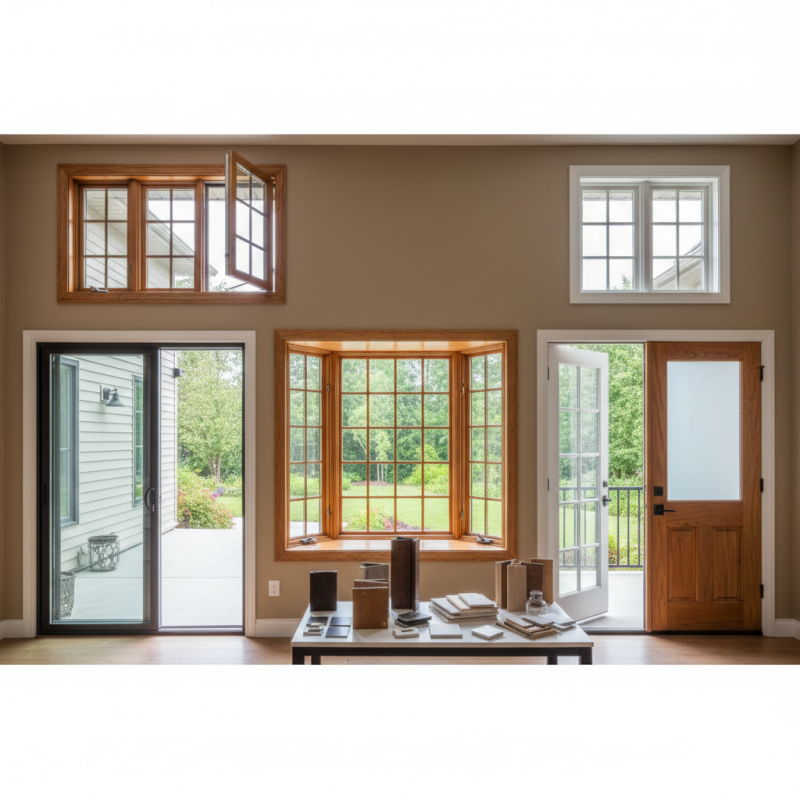
Improving your home’s energy efficiency starts with choosing the right window styles. According to the U.S. Department of Energy, windows account for 25-30% of residential heating and cooling energy use. This means that selecting energy-efficient windows can dramatically reduce utility bills while enhancing comfort.
Double-glazed windows are among the top choices. They trap a layer of air between two panes of glass. This air acts as an insulator, reducing heat transfer. Homes with these windows have seen energy savings of up to 30%. However, installation can be tricky. Proper sealing is crucial to maximize their benefits.
Another strong option is Energy Star certified windows. These windows meet strict energy efficiency guidelines set by the EPA. They typically feature low-emissivity coatings to improve insulation. In states with extreme climates, these windows can help homeowners save hundreds annually. Yet, they can be more expensive upfront. Homeowners should carefully weigh the initial cost against long-term savings. Ultimately, informed choices lead to better home performance.

When considering home improvements, selecting the right door can significantly enhance your home's curb appeal. Many homeowners prefer classic wooden doors. They offer a warm, inviting look. However, wood requires maintenance. Regular painting or sealing is necessary to protect it from the elements. Some might find this tedious.
Another popular choice is fiberglass doors. They are durable and come in various styles. They resist weather damage and require less upkeep. Yet, their initial cost can be higher than traditional wooden doors. Homeowners often debate if the price difference is worth it.
In addition, sliding doors are great for both aesthetics and practicality. They create seamless indoor and outdoor spaces. However, this type of door may lack security features. Buyers should research locking systems before making a choice. Each door type has its benefits and drawbacks. Reflecting on your needs is essential before making a decision.
| Type | Material | Energy Efficiency | Curb Appeal | Cost Range (USD) |
|---|---|---|---|---|
| Double-Hung Window | Vinyl | High | Moderate | 300 - 800 |
| Sliding Patio Door | Aluminum | Medium | High | 500 - 1500 |
| Casement Window | Wood | Very High | Moderate | 400 - 900 |
| French Door | Fiberglass | High | Very High | 800 - 2000 |
| Awning Window | Vinyl | High | Moderate | 350 - 750 |
When selecting windows and doors for home improvements, material choice impacts insulation and energy costs. Different materials offer varying levels of efficiency. Vinyl windows tend to be more affordable and energy-efficient. On the other hand, wooden frames provide a classic appeal but can require more maintenance. Aluminum frames are durable but may not insulate as well.
Tips: Consider the climate in your area. Warmer climates benefit from insulated glass to reduce heat gain. Cold regions may require double or triple glazing for better insulation. Always check local energy codes for efficiency ratings before installation.
Ultimately, the right choice hinges on balancing aesthetics with functionality. Many homeowners overlook the long-term costs associated with energy inefficiency. Investing in high-quality materials can lead to significant savings over time.
Don't rush the decision; reflect on your lifestyle needs and long-term goals. Making informed choices today can enhance your home's comfort tomorrow.
Choosing the right door is essential for both security and accessibility. A sturdy door can deter intruders and contribute to peace of mind. When selecting a door, consider the materials. Wood, fiberglass, and steel all offer different levels of strength and insulation. A solid core door could be the best choice for heightened security.
Accessibility is another critical aspect. If you have family members with mobility challenges, a wider door can make navigating easier. Opt for doors with lever handles instead of knobs. They are more user-friendly, especially for those with limited hand function. Also, think about the threshold. A low or no-step entry provides better access, reducing trip hazards.
Reflecting on personal needs is vital. Sometimes, we overlook specific details that matter. A door’s aesthetic may appeal more than its functionality. It’s important to balance style with practical features. Assess your home’s unique requirements and prioritize them. A door may look good, but if it lacks security or accessibility, it might not serve you well.
Smart windows and doors are transforming modern home renovations. Recent studies show that homes with smart features can see energy savings of up to 30%. Automated blinds or shades adjust according to sunlight, optimizing indoor temperatures. This feature not only reduces energy bills but also enhances comfort.
The adoption rate of smart windows is rising. According to industry reports, around 25% of homeowners plan to install smart technology in their next renovation. However, the integration process can be challenging. Many homeowners struggle with compatibility issues among different devices. Ensuring that all elements work together is crucial for maximizing the benefits of these systems.
Moreover, smart doors equipped with sensors can enhance home security. They notify homeowners of any unusual activity. Yet, some users find these systems overwhelming. The settings can be complex, and troubleshooting is often necessary. Understanding how to use these features effectively is essential for homeowners looking for convenience and security.