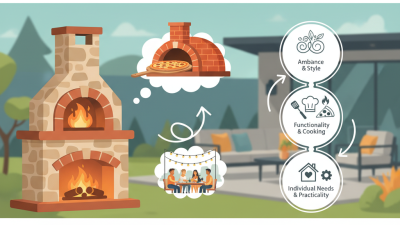
7 Tips for Buying an Outdoor Pizza Fireplace

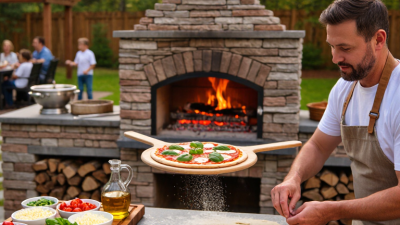
Choosing an outdoor pizza oven is about more than chasing a blistered crust. The right pizza fireplace outdoor setup should suit your space, cooking habits, and willingness to manage heat. Wood-fired baking educator Richard Miscovich’s teaching offers a useful principle, paraphrased here: choose an oven for the food you want to make and the way you plan to cook. A beautiful oven can still disappoint if it takes too long to heat or feels awkward to use.

Think about a real evening in your yard. Where will the oven sit? How much room will you need to tend the fire? Will you cook one pizza at a time, or serve a group? Fuel type, cooking surface, insulation, chimney design, and weather protection all affect the experience. So does the path from your door to the oven, especially when carrying dough, toppings, and a hot peel. Small details matter.

This guide’s seven tips will help you compare options with clearer priorities. You’ll consider heat-up time, temperature control, materials, maintenance, installation needs, and overall value. Look for product specifications you can verify, and check the manufacturer’s guidance before buying or setting up an oven. No model is perfect. A compact unit may save space but limit batch cooking; a larger one may demand more fuel and attention. The best choice is the one you can use safely, comfortably, and often—not merely the one with the most impressive photos.
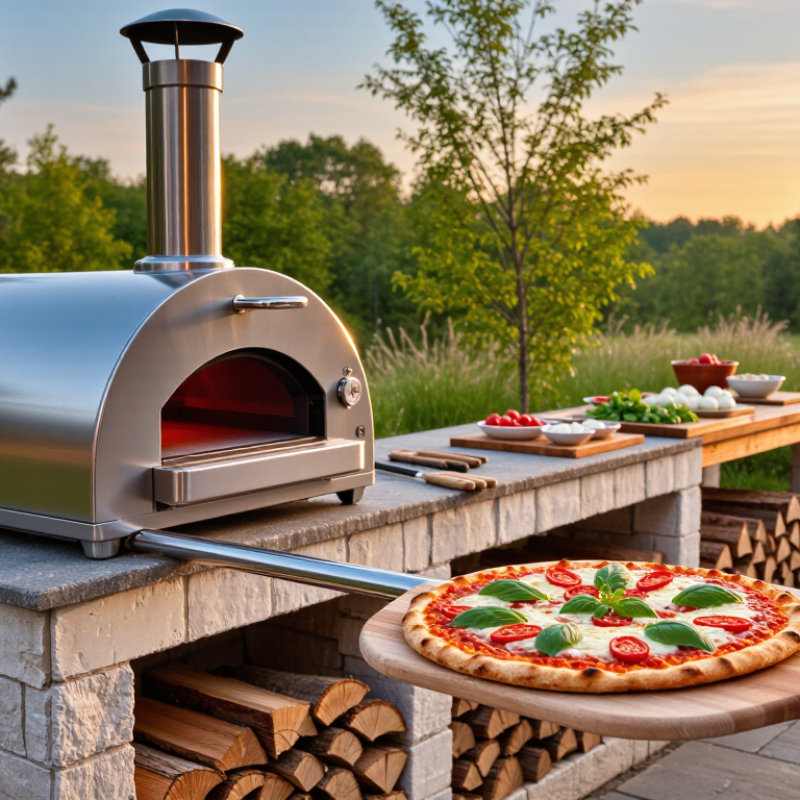
7 Tips for Buying an Outdoor Pizza Fireplace

Define Your Cooking Needs and Outdoor Space

Before buying an outdoor pizza fireplace, decide what you will cook and how often. Will you make one pizza for family dinners, or serve several guests in succession? The Outdoor Industry Association’s 2023 Outdoor Participation Trends Report counted 168.1 million U.S. participants in 2022; its 2024 report counted 175.8 million in 2023. These figures describe outdoor recreation broadly, not demand for pizza ovens. Still, they suggest many people value time outside. Your own routine matters more. A little, perhaps.

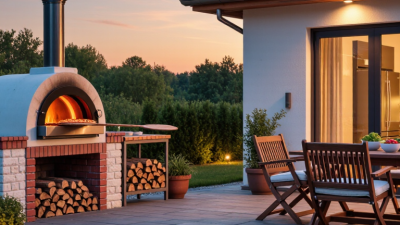
Measure the cooking area, seating, and walking route before comparing models. Mark the fireplace’s footprint on the ground with tape or cardboard. Then check whether someone can carry a hot pizza past the dining chairs without squeezing through. Allow room for a heat-safe landing surface, fuel storage, and tools. Follow the appliance manual for clearances; walls, eaves, and overhead branches can change what is safe. Wind matters, too. A sheltered corner may feel comfortable, but poor airflow can affect smoke.

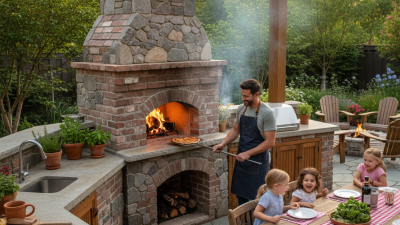
Think about the whole meal, not just the oven. If you prepare dough indoors, you may need only a small outdoor work surface. If you plan to top pizzas outside, add space for ingredients, a board, and a place to set hot cookware. Be honest about maintenance: ash, grease, and weather protection take time. I once underestimated the space needed for serving. The oven fit; the workflow did not.

Choose a Fireplace Type and Fuel Source

Choose the fireplace type around the food and space you actually have. A masonry dome holds heat well, but it needs a stable base and room to cure. A portable gas oven is easier to move and usually simpler to start. Wood-fired models add smoke and flame, but they ask for dry storage and more attention. Ash cleanup is real. So is wind.

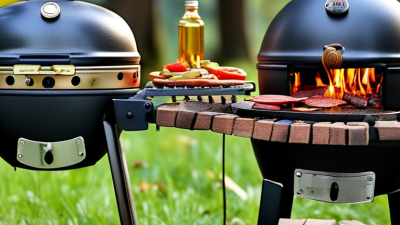
Then compare fuel by routine, not romance. Wood suits cooks who enjoy tending a live fire; damp logs can slow heating and produce more smoke. Gas offers steadier control, especially for quick weeknight meals, but needs a compatible supply and hose setup. The U.S. Department of Energy’s Alternative Fuels Data Center lists propane at about 91,500 Btu per gallon. That figure describes fuel energy, not the heat an oven delivers, which varies with design and efficiency. Check the maker’s stated fuel requirements and installation clearances before buying. I would not over-optimize the choice: a beautiful wood fire is less appealing when the logs are wet and dinner is late.

7 Tips for Buying an Outdoor Pizza Fireplace: Choose a Fireplace Type and Fuel Source

Tip Fireplace Type and Fuel Useful Facts to Compare Best Fit Check Before Buying
1. Choose the cooking style Traditional dome oven; usually wood-fired, gas-fired, or dual-fuel A dome directs heat around the cooking chamber and can support high-temperature pizza cooking. Actual maximum temperature varies by design and fuel. Buyers who want a dedicated oven-style cooking experience and space for a permanent outdoor setup Confirm the usable cooking-floor dimensions, insulation, and recommended clearance from buildings and combustible materials.
2. Pick wood for live-fire flavor Wood-fired oven; seasoned hardwood logs Wood provides flame and smoke, but requires time to light, manage, and clean. Dry, untreated firewood generally burns more cleanly than wet wood. People who enjoy tending a fire and want wood-fired cooking characteristics Check the firewood size the firebox accepts, local smoke or fire restrictions, and whether a safe wood-storage area is available.
3. Consider gas for easier control Gas oven; propane cylinder or a compatible natural-gas connection Gas ignition and heat adjustment are typically more convenient than managing a wood fire. Propane and natural-gas models are not automatically interchangeable. Frequent cooks who value quick startup, repeatable heat, and less ash cleanup Verify the supplied gas type, regulator and hose requirements, connection location, and whether a qualified professional is needed for installation.
4. Compare pellet-fired models carefully Pellet oven; food-grade hardwood pellets Pellets are compact and can be easy to store, but the oven may rely on electricity for an auger or fan. Cooking capacity and heat output vary by model. Buyers seeking a wood-fueled option with a small, measured fuel supply Check power requirements, pellet-hopper capacity, approved pellet type, and how the oven operates during a power interruption.
5. Match heat-up time to your routine Wood, gas, or pellet-fired oven Preheating commonly takes tens of minutes, and some thick, insulated ovens need longer. Fuel, weather, oven mass, and target temperature all affect the time. Anyone deciding between spontaneous weeknight use and longer, planned cooking sessions Use the manufacturer’s stated preheat guidance as a comparison, and look for temperature control or a built-in thermometer if repeatability matters.
6. Choose a size that fits the space Compact portable oven or larger built-in / freestanding oven A larger cooking floor can accommodate more food, but the oven also needs more patio space and may take longer to heat. Portable units still require a stable, heat-resistant surface. Small patios, renters, or occasional cooks: compact models; larger gatherings: larger cooking floors Measure the oven footprint and required clearances. Check the packed weight, stand dimensions, and whether the surface can safely support the unit.
7. Plan for ventilation, weather, and upkeep Any outdoor pizza fireplace; fuel-specific installation rules apply Combustion appliances need appropriate airflow and safe exhaust. Rain, humidity, and temperature changes can damage finishes or accessories if the oven is left uncovered. All buyers, especially those installing near a roof, wall, fence, or outdoor kitchen Follow the appliance manual and local fire and building requirements. Check chimney or vent needs, weather-cover guidance, cleaning access, and spare-part availability.

Note: Preheat times, cooking temperatures, capacity, and installation requirements vary by oven design, fuel, and conditions. Follow the manufacturer’s instructions and local safety regulations.

Compare Materials, Construction, and Heat Performance

An outdoor pizza fireplace must handle rain, temperature swings, and repeated heating. Compare the firebox material, not just the outer finish. Stainless steel resists rust, but thin panels may warp with frequent high heat. Refractory brick or fireclay stores heat well and can produce steady baking temperatures. It also adds weight and may need more careful weather protection. Details matter.

Look closely at how the parts meet. A tight door, stable legs, and even joints help limit heat loss and make the unit feel secure. Check whether the cooking floor is thick enough to hold warmth after a cold pizza goes in. A stone floor can brown the base nicely, though it may take longer to preheat. Ask how long the fireplace typically needs to reach cooking temperature, and whether the reading refers to the stone or the air inside. Those numbers are not interchangeable.

Heat performance depends on more than peak temperature. A well-insulated firebox usually holds heat longer and needs less frequent refueling. A very open design may heat quickly, but wind can cool the cooking surface or push smoke toward the seating area. Consider your usual weather and available space before choosing. Bigger is not always better. A heavy model can be awkward to move, while a compact one may struggle with several pizzas in a row. That trade-off is easy to overlook in a showroom.

How to read this: Lower thermal conductivity helps limit heat loss through insulation, while higher conductivity can help a cooking surface transfer heat. Values are approximate typical figures in W/m·K; actual performance varies with material grade, temperature, thickness, and oven construction. When comparing ovens, check both the cooking-surface material and the insulation.

Check Size, Placement, Ventilation, and Safety Requirements

Measure the oven’s full footprint, including its door swing, chimney, and room for someone to work safely. A compact model can still feel oversized beside a narrow table or doorway. Mark its dimensions on the patio with tape, then walk around the outline. Awkward? That is useful to notice before delivery. Also check the manufacturer’s required clearances from walls, fences, and overhead structures; these vary by design.

Choose a level, stable, heat-resistant surface that can support the oven’s weight. Keep it away from dry leaves, furniture, and busy walkways, especially where children might pass. Ventilation matters: smoke needs a clear path away from people and nearby windows. Never use an outdoor unit in an enclosed room or poorly ventilated space. Check the installation instructions and local fire-safety requirements before buying, not after the oven arrives. A suitable fire extinguisher nearby is sensible. Even careful measuring can miss a chimney’s reach, so recheck the planned position with the oven’s full height in mind.

Review Installation Costs and Long-Term Maintenance

Installation costs depend on more than the fireplace itself. A stable, heat-resistant base, safe clearances, and suitable ventilation may add substantial labor and materials. If the unit needs a gas or electrical connection, ask a qualified installer to assess the site before you buy. Access matters, too: carrying heavy components through a narrow gate can increase labor costs.

Get an itemized, site-specific estimate. It should clarify who handles the foundation, connections, delivery, and any required approvals. Compare the full installed price, not just the unit’s advertised cost. A cheaper model can become expensive if it needs custom masonry. It is easy to miss that.

Long-term upkeep deserves equal attention. Wood-fired models need ash removal and periodic checks for soot buildup; gas models still require inspection of burners and connections. Follow the manufacturer’s cleaning instructions, and let the fireplace cool fully before maintenance. After rain or freezing weather, check for standing water, loose mortar, or small cracks. Small damage can grow. A fitted cover helps, but trapped moisture can also cause problems, so let surfaces dry before covering them. Set aside an annual maintenance budget, even if the fireplace appears trouble-free.