What Is an Outdoor Fire Oven and How Does It Work?

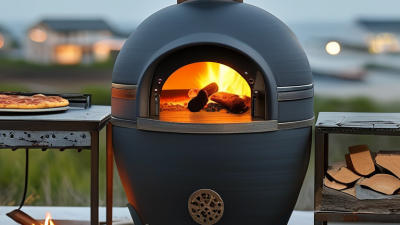
An outdoor fire oven cooks with heat from a live flame, stored warmth, or both. Unlike a standard grill, many models surround food with a dome and place it on a heated stone or refractory floor. The flame warms the oven walls; hot air circulates, while the floor transfers heat directly to the food. That combination can brown a pizza base quickly and roast vegetables with a lightly smoky edge. It is simple in principle. Managing it takes practice.

The Hearth, Patio & Barbecue Association’s 2024 State of the Barbecue Industry report says about 80% of U.S. households own a grill or smoker. That figure describes broad outdoor-cooking adoption, not outdoor fire oven sales, so it should not be mistaken for oven-specific demand. Still, it helps explain why more cooks are exploring equipment that brings high heat and live-fire flavor into the backyard.

Wood-fire chef Francis Mallmann is often quoted as saying, “Fire is the most important ingredient.” His line captures the appeal, but not the whole method. A cook must also watch airflow, fuel, and the oven’s temperature; a bright flame can hide a cooler cooking floor. Small details matter: ash can insulate the stone, and a gust can shift the flame. Not every bake will be perfect. That is part of learning. An outdoor fire oven is best understood as a heat system you learn to read, not a machine that guarantees identical results.
What Is an Outdoor Fire Oven and How Does It Work?

Outdoor Fire Ovens Defined: Structure, Fuel, and Cooking Purpose

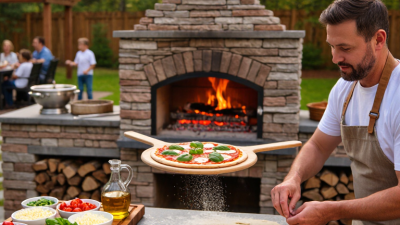
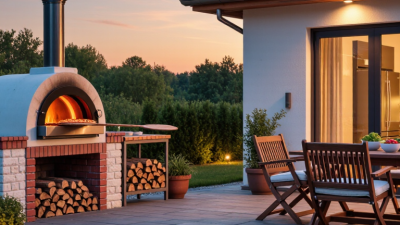
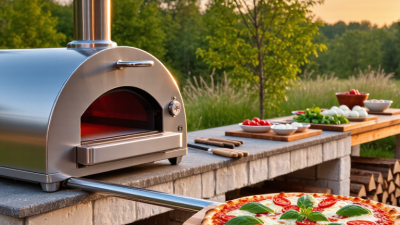
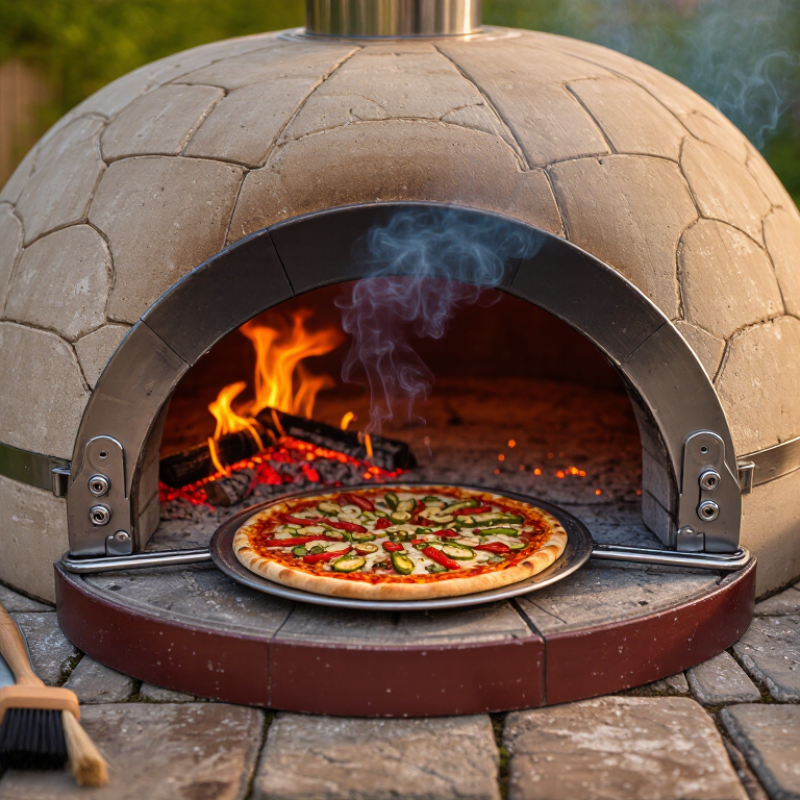
An outdoor fire oven is a cooking chamber heated by a controlled flame, usually built from refractory brick, stone, or insulated metal. Its main parts are a heat-resistant floor, enclosed dome or chamber, opening, and smoke outlet. Insulation helps retain heat after the fire settles. In many wood-fired designs, the fire burns beside the food, while the hot floor and dome radiate heat across the chamber.

That matters.

Fuel depends on the oven’s construction. Wood creates flame, embers, and smoke; gas-fired models use a burner, while some ovens are designed for charcoal. These options are not interchangeable: an oven must be built for its intended fuel. HPBA’s 2024 State of the Barbecue Industry report estimates that about 70% of U.S. adults own a grill or smoker. That figure describes outdoor-cooking familiarity, not fire-oven ownership.

The oven’s purpose is broader than baking pizza. Stored heat can bake bread, roast vegetables, or cook meat, while active flames provide stronger, direct heat. Operators judge readiness by more than the fire’s appearance: floor temperature, dome heat, and flame position all affect results. A small patch of glowing embers may look ready, yet a cool floor can leave bread pale underneath. Outdoor ovens vary, and practice matters; even a well-built chamber can cook unevenly if heat is poorly distributed.

How Fire, Draft, and Chimney Flow Generate Usable Heat

An outdoor fire oven turns burning wood into useful heat through combustion, radiation, and moving hot gases.

Dry wood catches more readily; the U.S. Environmental Protection Agency’s Burn Wise guidance recommends wood with moisture below 20 percent. Wet fuel spends heat boiling off water, so flames can look lively while the oven warms slowly. A moisture meter helps, though readings vary across a log.

The chimney creates draft as rising hot gases pull fresh air toward the fire. That airflow feeds combustion, while the flue carries smoke outside and helps keep heat moving through the oven chamber.

Too little draft can cause smoky burning; too much may send heat straight up the chimney. It is a balance. The USDA Forest Products Laboratory’s Wood Handbook puts oven-dry wood near 8,600 British thermal units per pound, with variation by species.

That figure describes fuel energy, not the heat reaching food: moisture, airflow, oven insulation, and fire placement all affect the result. A small fire near the rear can warm the masonry gradually, but real ovens are less predictable than diagrams suggest.

How Conduction, Radiation, and Convection Cook Food

An outdoor fire oven cooks with three kinds of heat working together. The heated floor transfers energy by conduction to bread, vegetables, or a pizza base. A stone surface can crisp the underside while the top still looks pale. Let the floor heat thoroughly before cooking, and check it with a small test piece if you are unsure.

Radiation comes from the flame and hot oven walls. It browns exposed surfaces quickly, especially near the flame, so rotate food when one edge darkens faster. Convection adds another effect: heated air moves around the oven and carries warmth to the food. A clear path for airflow helps the fire burn steadily, but gusts can change that balance. It is not always predictable.

Together, these heat paths explain why an oven can cook unevenly. A thick cast-iron pan may protect delicate food from direct floor heat, while a thin tray transfers heat quickly. Watch the color and texture, not just the clock. A blistered edge can appear before the center is ready. I still find that part easy to misjudge. Small batches make it easier to notice how the oven’s floor, flame, and airflow behave.

Operating Temperatures: Pizza Ovens Commonly Reach 700–900°F (370–480°C)

An outdoor fire oven cooks with intense heat from a wood fire, charcoal, or gas burner. For pizza, the key figure is the cooking surface temperature, not just the air near the ceiling. Many pizza ovens operate around 700–900°F (370–480°C), but readings vary with fuel, insulation, and where the thermometer points. A stone floor may be cooler than the dome. That difference matters.

The Associazione Verace Pizza Napoletana’s technical rules specify a baking temperature of 430–480°C and a bake time of roughly 60–90 seconds for Neapolitan pizza. That range sits near the upper end of common outdoor-oven temperatures. At this heat, a thin dough can blister quickly, while the cheese melts and the crust darkens. Watch closely. A short pause can turn a spotted edge into a burnt one. In practical use, cooks often check the floor with an infrared thermometer and rotate the pizza by hand for even browning. Still, the reading is only a guide; soot, flame direction, and a recently replenished fire can change the heat. My own instinct would be to trust the thermometer, but the first pizza often tells a more honest story.

Outdoor Pizza Oven Operating Temperatures

Outdoor pizza ovens commonly operate at 700–900°F (370–480°C). The midpoint shown is approximately 800°F (427°C); actual temperatures vary by oven design, fuel, and measurement location.

Fuel Efficiency: EPA Guidance Favors Firewood Below 20% Moisture

An outdoor fire oven uses a fire inside or beside an insulated cooking chamber. Flames and hot gases heat the oven floor and dome, while the chimney draws smoke outward. In a wood-fired model, fuel moisture affects how steadily that heat develops. The U.S. Environmental Protection Agency’s Burn Wise guidance recommends firewood below 20% moisture. Check a freshly split face with a moisture meter; the outer bark can feel dry while the center remains damp.

Wet wood spends heat evaporating water instead of warming the cooking chamber. It can also smolder and produce more smoke, making temperature control harder. The USDA Forest Products Laboratory’s Wood Handbook explains how moisture content affects wood’s usable heating value and drying behavior. For an oven, the difference shows up in practical ways: slower preheating, smoky air near the flue, or a floor that loses heat between pizzas. Small details matter.

Store split logs under cover, with airflow around the stack. A sheltered top helps; tightly wrapping every side can trap moisture. Dryness is easy to misjudge by sight alone. Even experienced cooks can get it wrong after rain or in humid weather. Measure when unsure, and keep a few dry pieces ready for the next firing.

What Is an Outdoor Fire Oven and How Does It Work? - Fuel Efficiency: EPA Guidance Favors Firewood Below 20% Moisture
Topic How It Works or What to Look For Practical Guidance
Outdoor fire oven An oven heated by a wood fire in or near its cooking chamber. Heat is stored in the oven floor and walls and transferred to food by contact, radiation, and hot air. Allow time for the oven to heat through; the air temperature alone may not indicate that the cooking surface is ready.
Combustion and airflow Fire needs oxygen. The opening, air inlets, and flue or chimney help supply air and carry smoke and combustion gases away. Keep the flue and air passages clear, and follow the oven's operating and ventilation instructions.
Firewood moisture Wet wood uses heat to evaporate water, which can make it harder to ignite and burn cleanly and can increase smoke. The U.S. EPA's Burn Wise guidance recommends burning wood with a moisture content of 20% or less.
Checking moisture A moisture meter can help assess firewood. A reading from a freshly split surface is more informative than one taken only from the outside of a log. Store firewood off the ground with the top covered and the sides open to airflow. Drying time depends on wood type, size, and storage conditions.
Fuel efficiency Dry, properly sized firewood generally supports easier ignition and more complete combustion than wet wood. Oven design, airflow, loading, and operation also affect performance. Use small, dry pieces as directed by the oven instructions, and avoid restricting airflow to control the fire.
Safety and emissions Wood combustion produces smoke and gases, including carbon monoxide. Outdoor placement does not eliminate the need to manage smoke, sparks, and fire hazards. Use the oven outdoors in a well-ventilated location, maintain required clearance from combustible materials, and follow local fire rules and the manufacturer's safety instructions.

Note: The EPA moisture recommendation is general wood-burning guidance; it is not a performance rating or certification for a particular outdoor oven.