
2026 How to Choose the Best Commercial Gym Equipment?

Choosing the right Commercial gym equipment is crucial for both gym owners and fitness enthusiasts. The right equipment helps create an effective training environment. It ensures members have a positive experience and achieve their fitness goals. However, with countless options available, making the best choice can be overwhelming.

Consider factors like quality, durability, and space utilization. For instance, think about the specific type of workouts your gym will offer. Will you provide strength training, cardio, or functional fitness? Each type may require different equipment to meet members' needs. It is important to research reviews and seek advice from industry professionals. This allows you to understand which brands and models stand out.

Reflect on the investment you’re making. While cheaper options may seem appealing, they often lead to higher long-term costs. Broken or outdated equipment can frustrate gym-goers and diminish your reputation. The best commercial gym equipment should withstand heavy use and deliver long-lasting performance. Prioritizing quality over price may yield better returns for your gym’s success.
2026 How to Choose the Best Commercial Gym Equipment?

Understanding Your Gym's Specific Needs

Choosing the right equipment for your gym requires a deep understanding of your target audience. Consider the demographics of your members. Are they beginners, athletes, or a mix? Each group has specific needs. Beginners might favor machines that offer guided movements. In contrast, seasoned gym-goers often seek free weights and functional training tools.

Next, think about the space you have available. A cramped gym can limit your equipment choices. Prioritize versatile tools that can serve multiple purposes. For example, a multi-gym machine might be a better fit than several single-use devices. However, remember that more isn’t always better. Too much equipment can overwhelm users and lead to underutilization.

You might also reflect on trends in the fitness industry. Popular modalities change quickly. What’s hot today may be outdated tomorrow. Keep an eye on emerging trends, but don’t rush to adopt them without research. It's vital to ensure that any new addition aligns with your gym’s vision and member preferences. Engaging with your clientele can provide valuable insights. Listening to their feedback is crucial for crafting a successful environment.

Key Types of Commercial Gym Equipment to Consider

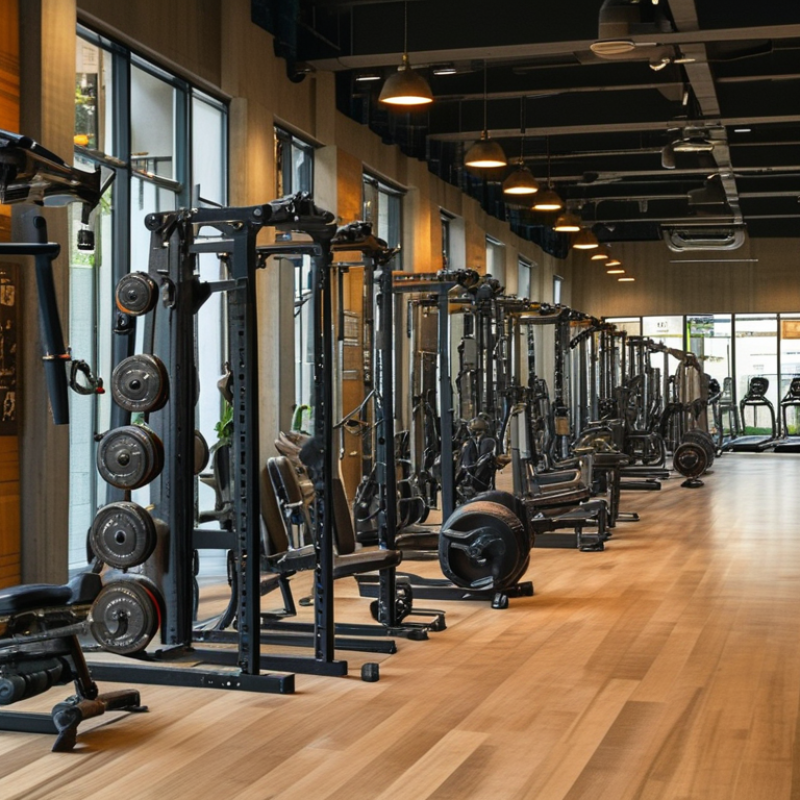
When selecting commercial gym equipment, consider the key types necessary for a well-rounded facility. Strength machines are vital. They offer diverse resistance levels. Include both plate-loaded and selectorized options. These machines accommodate all fitness levels. Free weights, like dumbbells and kettlebells, also play a crucial role. They enhance functional strength and allow for versatile workouts. It’s important to assess the space in your gym. Large weights require adequate room for safety.

Cardio equipment is another essential category. Treadmills, stationary bikes, and rowing machines are popular choices. They appeal to a wide range of clients. Think about the user experience. Some cardio machines might not suit all body types. Look for different size and design options. Flexibility and rehab equipment should not be overlooked. Items like mats, resistance bands, and foam rollers can improve recovery and attract more clients.

Also, examine the durability of each type. Higher quality often comes with a higher price tag, but it’s worth it in the long run. Budget constraints can pressure decisions. Take your time with selections. Make sure the equipment fits the vision of your gym. This is about creating an environment that promotes health and fitness for everyone. Keeping client needs at the forefront is essential in this decision-making process.

2026 How to Choose the Best Commercial Gym Equipment? - Key Types of Commercial Gym Equipment to Consider

Equipment Type Purpose Key Features Maintenance Level Typical Cost Range
Treadmill Cardio Variable incline, multiple programs, heart rate monitoring Low $1,500 - $5,000
Elliptical Trainer Cardio Low impact, customizable resistance, built-in workouts Low $1,000 - $3,000
Stationary Bike Cardio Adjustable seat, magnetic resistance, workout tracking Low $500 - $2,500
Weight Bench Strength Training Adjustable incline/decline, padded support Low $300 - $1,200
Smith Machine Strength Training Guided barbell, safety catches, versatile Medium $1,000 - $3,500
Multi-Gym Station Strength Training Multiple exercise options, space-efficient Medium $2,000 - $5,000
Free Weights Strength Training Versatile, space-efficient Low $100 - $2,500 (sets)
Battle Ropes Functional Training Full-body workout, improving endurance Low $100 - $300

Evaluating Quality and Durability of Equipment

When selecting gym equipment, assessing quality and durability is essential. Quality often reflects the materials used in construction. Look for equipment made from high-grade steel or aluminum. These materials resist wear and tear, extending lifespan. Additionally, consider the finish. Paint and coating should be resistant to scratches and corrosion.

Durability tests can indicate how well equipment holds up over time. Look for equipment evaluated under rigorous conditions. User reviews are valuable. Seek feedback about real-life experiences. Sometimes, what looks good in pictures may not perform well in a gym setting.

Not all brands meet the same standards. It's crucial to avoid assumptions based solely on marketing claims. Pay attention to warranty details. A longer warranty often suggests confidence in the equipment’s durability. Finally, consider equipment that users have maintained for years. Reflections on past decisions can inform better choices moving forward.

Budgeting for Your Commercial Gym Equipment Purchase

When budgeting for your commercial gym equipment, it's essential to know your priorities. You should assess your clientele's needs and consider the type of equipment they’ll use most. Quality matters, but so does cost. Aim for a balance between reliable equipment and your financial constraints.

Tips: Invest where it counts. Prioritize cardio and strength equipment that gets heavy use. Think about multifunctional machines to maximize space and utility. They can reduce your overall expenditure while serving various fitness needs.

Running a gym is complex. You may initially underestimate maintenance costs or future upgrades. Always set aside a portion of your budget for unforeseen repairs or replacements. Equipment may wear out faster than anticipated due to high usage.

Tips: Research extensively. Look for industry trends in equipment usage. This might shift your focus when investing. Knowing what’s popular can guide your purchases wisely, helping to avoid buyer’s remorse later. Don't let flashy marketing distract you from practical choices.

Assessing Space and Layout for Optimal Equipment Placement

When setting up a commercial gym, space and layout are crucial. According to the International Health, Racquet & Sportsclub Association (IHRSA), optimal equipment placement can increase gym efficiency and member satisfaction. Plan your layout carefully. Make sure each area is accessible and that users can move freely. Avoid cluttering high-traffic areas with large machines.

Consider the types of equipment your gym will feature. Cardio machines should be near windows for ample natural light. Strength training equipment needs dedicated zones with sufficient space for safety. For example, leave at least 3-4 feet between machines. It allows easy access and reduces the risk of injury.

Tip: Use software or sketches to visualize the layout before installation. Measure your available space accurately to prevent overloading it with equipment.

One common mistake is underestimating the importance of flow. Members should have a natural movement pattern from one station to another. Incorporating feedback from staff can help fine-tune the layout. An effective setup can significantly enhance user experience and retention rates.