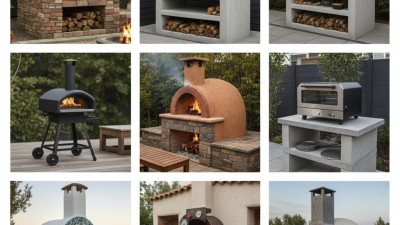
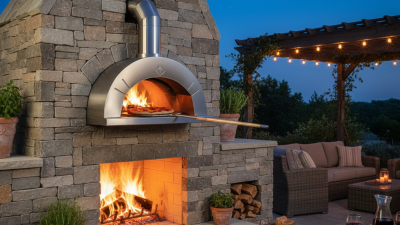
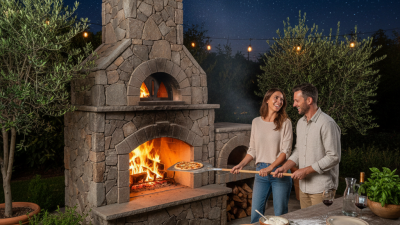
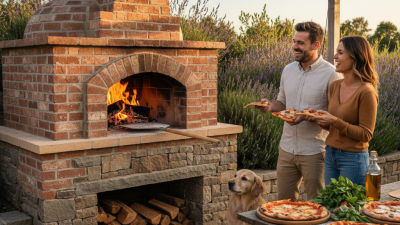
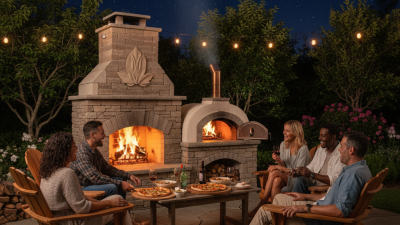
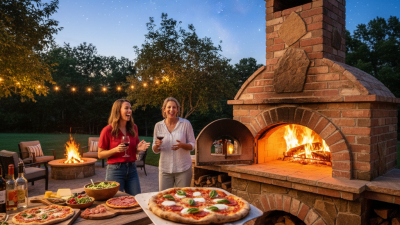
Cooking pizza in an outdoor fireplace is an art that combines tradition with flavor. According to industry reports, outdoor cooking has surged by 30% in recent years. Many families are gravitating towards outdoor methods for gatherings. A fireplace adds a rustic touch and unique smoky flavor to pizza.
However, achieving the perfect pizza requires some practice. Temperature control is essential. Many novice cooks struggle with heat distribution, leading to unevenly cooked crusts. Smoke management is also a challenge that can over-saturate the pizza, affecting taste.
With the right techniques, you can elevate your pizza experience. Imagine your friends gathered around a crackling fire, sharing stories and enjoying freshly made pizza. It's not just about cooking; it’s about creating memories. As you experiment, embrace those hiccups—it’s all part of the learning process in the joyful adventure of cooking pizza in an outdoor fireplace.
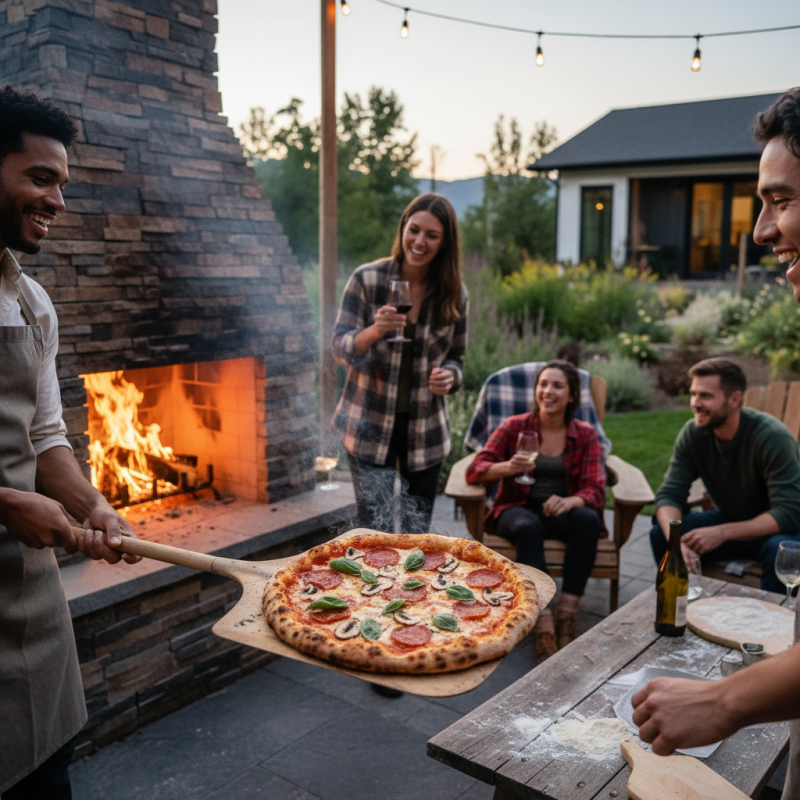
Cooking pizza in an outdoor fireplace can be a delightful experience. It requires a few basic techniques to achieve that perfect flavor. Firewood selection is crucial. Softwoods like pine can burn too quickly. Hardwoods, like oak or maple, burn slower and provide better heat retention.
Temperature management is essential. Preheat the fireplace for at least 30 minutes. Monitor the heat regularly. A pizza stone can be used to create an even cooking surface. Ensure it’s placed correctly to prevent cracking. The right distance from the fire will make a difference.
Experiment with different toppings and sauces. Some combinations might not turn out great. It’s okay to adjust your recipe over time. Perhaps the crust was too thick or too thin. Every attempt brings valuable lessons. Embrace the imperfections; they contribute to your culinary journey. An outdoor fireplace offers a unique flavor that traditional ovens cannot replicate. Enjoy the process of learning and creating.
When crafting the perfect pizza, choosing the right ingredients is key. Start with the dough. Flour type matters. Opt for high-protein flour for a chewier crust. For a thin, crisp base, consider using 00 flour. Don’t rush this step; let your dough rise slowly. This enhances flavor.
Next, focus on the sauce. A traditional tomato sauce is a popular choice. Use fresh, ripe tomatoes for the best flavor. Adjust seasoning to your taste. Herbs like basil and oregano can elevate the sauce. Keep it simple. Too many spices might overwhelm the pizza.
Cheese selection is crucial too. Fresh mozzarella provides a creamy texture when melted. For a sharper taste, add some aged cheese. Balance here is essential. Too much cheese can lead to a greasy pie. Experiment with different types. Sourcing fresh ingredients, when possible, greatly enhances overall taste. Remember, cooking is an art with room for mistakes. Embrace the process; learn from each pizza.
Cooking pizza in an outdoor fireplace can be a delightful experience. Temperature control is essential for achieving the perfect crust. Too much heat can quickly burn the base while leaving the toppings undercooked. Aim for a steady temperature of around 700 to 800 degrees Fahrenheit. This range allows the pizza to cook evenly.
Monitoring the heat source is crucial. Use a simple infrared thermometer to check temperatures. Adjust the position of your pizza on the rack if needed. You might find one side cooks faster. That's frustrating but part of the learning curve. Every outdoor fireplace is different, and you will need to adapt to yours.
Don’t forget the dough. A thicker crust may need more time in the heat. Experimenting with cooking times helps find the right balance. Try a few test pizzas to see how your fireplace performs. Each pie could teach you something new, helping you refine your technique. Embrace imperfections, and let the cooking process be a journey rather than a strict recipe.
This chart illustrates the optimal cooking times for pizza at different temperature ranges in an outdoor fireplace. For perfect crust, aim for higher temperatures while keeping cooking times short.
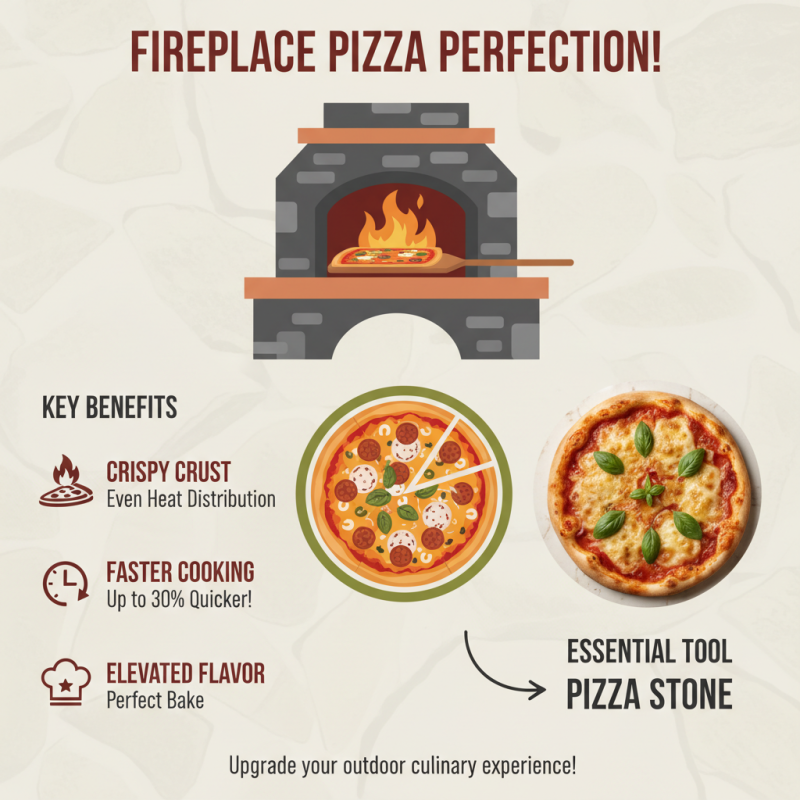
Creating pizza in an outdoor fireplace can elevate your culinary experience. The right tools and equipment are essential. A pizza stone is crucial for achieving a crispy crust. It distributes heat evenly, ensuring the perfect bake. Research suggests that using a stone can reduce cooking time by up to 30%.
A sturdy pizza peel helps transfer your pie into and out of the fire. Choose one with a long handle to keep your distance from the flames. A thermometer is useful too, allowing you to monitor the heat level. According to culinary experts, temperatures between 700°F and 900°F yield the best results.
You might face challenges, such as varying heat distribution. Make sure to rotate your pizza halfway through cooking. This prevents uneven baking. Moreover, consider investing in a firewood rack. It keeps your wood dry, enhancing flavor. Remember, experimentation is key. Not every pizza will turn out perfect, but that’s the fun of outdoor cooking!
Cooking pizza in an outdoor fireplace can be a delightful experience. Timing is crucial for achieving the perfect crust and flavor. Start by preparing your fireplace properly. Allow a good amount of dry wood to burn for at least 30 minutes. This creates a steady, even heat. Check the temperature with a pizza stone or infrared thermometer.
When the fireplace is hot enough, it's time to bake. Slide the pizza onto the hot surface carefully. Watch closely as it cooks. Depending on the thickness, it can take anywhere from 3 to 8 minutes. Rotating the pizza halfway through can promote even cooking. One mistake is opening the door too often. This can cause heat loss and uneven cooking.
The wood type can greatly influence the flavor. Hardwoods like oak or hickory add a wonderful smokiness. Experiment with various combinations but be wary of burning too quickly. Not every attempt will be perfect. Sometimes the cheese won’t melt evenly, or the crust may burn. Embrace these imperfections as part of the learning curve. Keep adjusting your technique for better results. Cooking in an outdoor fireplace can be rewarding if approached with patience and creativity.