How to Choose Element Fireplaces for Your Home?
Choosing element fireplaces can transform your home’s ambiance. Recent industry reports indicate that the demand for modern fireplaces has surged. According to the Hearth, Patio & Barbecue Association, 55% of homeowners prioritize aesthetics in their heating solutions. Element fireplaces combine style and functionality, making them a popular choice for many.
When selecting an element fireplace, consider energy efficiency. The U.S. Department of Energy states that fireplaces can enhance home comfort. They can also lower energy costs by providing supplemental heating. It's essential to review the unique features of different models. Each design impacts how efficiently they heat a space.
However, buyers should reflect on their needs. Not all element fireplaces suit every home. Personal preferences and home layout play significant roles. Understanding these aspects can help prevent a mismatch between style and functionality. When you explore your options, ensure you choose wisely to create a cozy and inviting environment.
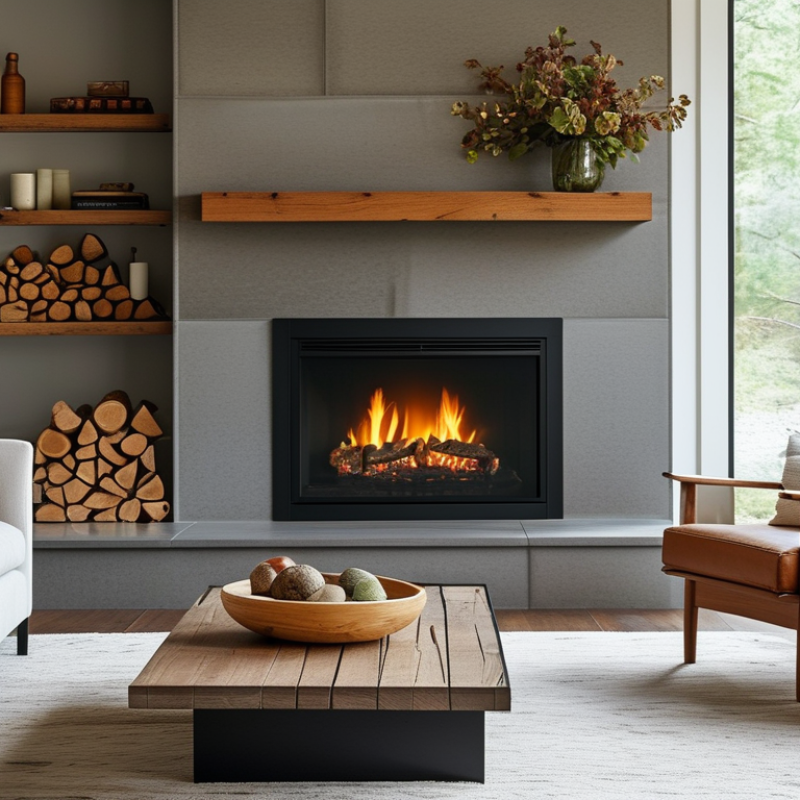
Understanding the Different Types of Element Fireplaces Available
When selecting element fireplaces for your home, understanding the different types available is crucial. According to the Hearth, Patio & Barbecue Association, electric fireplaces account for nearly 20% of new fireplace installations. This rise in popularity is due to their ease of use and aesthetic appeal. They offer varied styles from traditional to contemporary, ensuring there’s something for everyone.
There are three primary types of element fireplaces: electric, bioethanol, and gel fireplaces. Electric fireplaces are the most common. They require no chimney, making installation straightforward. Bioethanol fireplaces, while stylish, depend heavily on fuel availability. Lastly, gel fireplaces can provide real flames but often have limited heating capabilities. Choosing the right one relies on your heating needs and space constraints.
Some homeowners may overlook the importance of proper placement. For optimal functionality, an electric fireplace should be placed near an outlet but still enhance room aesthetics. Also, while they are often considered low maintenance, electric fireplaces do require regular checks for safety and efficiency. Always consult with a professional to ensure your choice aligns with local standards and personal preferences.
Assessing Your Home's Style and Space for Fireplace Installation
When selecting element fireplaces, it's crucial to assess your home's style and available space. Many homeowners overlook this step, leading to mismatched aesthetics. A survey from the National Association of Home Builders indicates that 60% of buyers prioritize design coherence. Understanding your interior decor style can guide your choice. Do you favor a modern, minimalist look? Or perhaps a more rustic, traditional vibe? Each fireplace design will suit different home styles, impacting overall harmony.
Space consideration is equally essential. Element fireplaces often require specific measurements for proper installation. According to the American Society of Interior Designers, 35% of installations fail due to inadequate space planning. Determine the available area for your fireplace. Consider the dimensions and ensure adequate clearance from walls and furniture. A visually balanced fireplace enhances the room's appeal. Overcrowding a small space detracts from the desired ambiance.
Consult design professionals for accurate assessments. They can provide insights based on years of experience. Reliable data shows that working with experts can reduce errors in installation by up to 45%. Your goal should be to create a warm, inviting atmosphere that aligns with your home’s character. Aim for a blend of comfort and style in your fireplace choice.
Evaluating the Efficiency and Heating Capacity of Element Fireplaces
When selecting element fireplaces for your home, understanding their efficiency and heating capacity is crucial. Efficiency translates to how effectively a fireplace converts energy into heat. Element fireplaces vary significantly in their efficiency ratings. Some may heat up quickly, while others take longer to reach optimal warmth. A good rule of thumb is to look for models with higher efficiency ratings for better performance and lower energy bills.
Heating capacity is another key factor. This refers to the amount of space a fireplace can effectively heat. Measure your room size before making a decision. A fireplace with insufficient capacity may leave you shivering in cold corners. Conversely, one that is too powerful can lead to overheating and discomfort. A harmonious balance is essential for both comfort and energy efficiency.
Keep in mind that every home has unique needs. What works for one space may not be suitable for another. Conduct thorough evaluations of your living area, considering factors like insulation. Sometimes, lower capacity fireplaces may suffice with proper heat distribution. Reflecting on these details can lead to a more informed choice.
Considering Safety Features and Regulations for Element Fireplaces
When choosing element fireplaces, safety features should take priority. Electric fireplaces are popular because they reduce fire hazards. A well-designed fireplace should have cool-to-touch surfaces. Look for features that prevent overheating. Safety shut-off mechanisms are essential during a malfunction. These safety measures offer peace of mind.
Compliance with local regulations is crucial. Ensure your chosen fireplace meets safety standards in your area. Some regions have specific installation requirements. Before purchasing, check local guidelines. This may involve permits or inspections. Ignoring these aspects can lead to fines or dangerous situations.
Always consider the placement of your fireplace. It should be away from flammable materials. Adequate space allows for proper airflow. Regular maintenance checks can prevent potential issues. Reflect on your fireplace choice and make sure it fits your home and lifestyle.
How to Choose Element Fireplaces for Your Home? - Considering Safety Features and Regulations for Element Fireplaces
| Feature |
Considerations |
Regulations |
| Safety Shut-off |
Ensures the fireplace turns off automatically if tipped over or not in use. |
Check local building codes for required safety features. |
| Ventilation |
Proper ventilation is critical to prevent the accumulation of smoke and gases. |
Adhere to code requirements for venting systems. |
| Material Quality |
Choose fire-rated materials to prevent hazards and ensure durability. |
Must comply with the National Fire Protection Association (NFPA) standards. |
| Children and Pet Safety |
Consider features like heat guards and child locks to protect family. |
Follow safety guidelines specific to residential setups. |
| Installation Requirements |
Professional installation may be necessary for compliance and safety. |
Local regulations may dictate who can perform installations. |
Choosing the Right Fuel Source for Your Element Fireplace Needs
Choosing the right fuel source for your element fireplace needs is crucial. The type you select affects efficiency and ambiance. Common options include electricity, natural gas, and biofuels. Each has unique benefits and drawbacks. Electric fireplaces are easy to install. They require no venting and can mimic real flames. However, they may lack the warmth of traditional fuels.
Natural gas fireplaces provide a strong, authentic heat. They can heat larger rooms effectively. Yet, installation can be complex and costly. Many people face challenges with venting or obtaining permits. Biofuels are eco-friendly. They burn cleanly and can create appealing, flickering flames. Still, some users notice a shorter burn time compared to gas.
Consider your lifestyle and preferences. Do you value convenience or authenticity? Your choice should reflect your home's layout and your heating needs. Some might regret their decision later, as comfort is key. It is worth researching thoroughly before making a final choice. Every fuel source has its trade-offs, and the ideal fit for one person may not suit another.