How to Choose an Outdoor Wood Fireplace Pizza Oven in 2026?
Choosing an outdoor wood fireplace with pizza oven in 2026 requires more than comparing prices and attractive photographs. The right model should combine reliable heat control, safe construction, practical cooking space, and comfortable outdoor use. It should also suit your climate, patio layout, fuel storage, and cooking habits.
Tom Gozney, founder of Gozney and a respected wood-fired oven designer, says, “I wanted to make it possible for everyone to cook restaurant quality food at home.” That idea remains useful when evaluating modern outdoor ovens. A beautiful flame is not enough. Look for thick insulation, a stable cooking floor, efficient airflow, and a door that helps manage heat. Check whether the manufacturer publishes clear specifications and realistic cooking temperatures.
This guide examines those details through a practical buyer’s lens. It considers installation, materials, maintenance, smoke movement, and everyday usability. It also compares traditional masonry designs with compact modular units. Small differences matter. A heavy oven may retain heat longer, but it can be difficult to move. A compact model may heat quickly, yet lose warmth sooner.
Some recommendations will depend on personal preference. There is no perfect oven for every garden. Even experienced cooks can underestimate wood consumption, cleaning time, or chimney height. That is worth admitting. Careful research, honest product testing, and attention to manufacturer guidance can reduce expensive mistakes. The goal is simple: find an outdoor fireplace oven that cooks evenly, looks appropriate, and remains dependable beyond its first season.
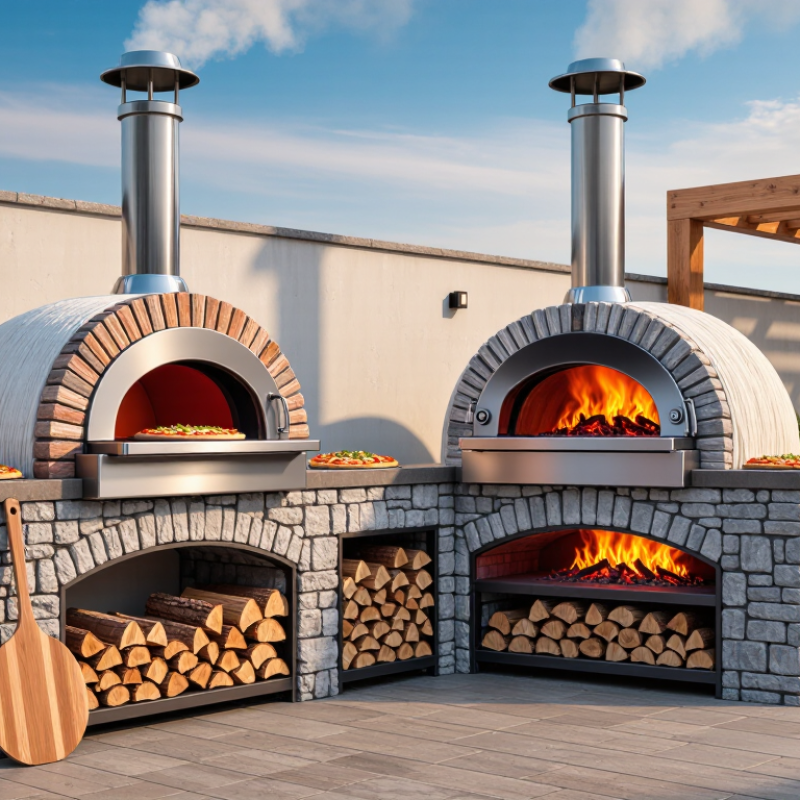
Table of Contents
[Hide]
Define Cooking Targets: 700–900°F Deck Heat and 60–120-Second Pizzas
How to Choose an Outdoor Wood Fireplace Pizza Oven in 2026?
Choosing an outdoor wood fireplace pizza oven starts with cooking targets, not appearance. For Neapolitan-style pizza, aim for 700–900°F on the cooking deck. That heat supports a 60–120-second bake with a blistered crust and soft center. A built-in thermometer often measures the dome, not the deck. Use an infrared thermometer after the fire has heated the floor evenly. Measure several spots. Cold corners reveal uneven insulation.
I look for a thick, heat-retaining deck and a properly shaped cooking chamber. Dense refractory materials usually recover heat better after loading a pizza. The opening should allow useful flame movement without losing excessive heat. A small oven may heat quickly, but its deck temperature can fall sharply after two pizzas. A larger oven needs more wood and patience. Both choices involve compromise.
My first test was not perfect. I trusted the dome gauge and launched dough onto a cooler floor. The base stayed pale while the rim burned. Now I preheat longer, then brush away ash before checking the deck. Dry, small hardwood pieces provide cleaner control than oversized logs. Keep the flame active but not violent. Watch the pizza, rotate it halfway, and record the time, deck reading, wood amount, and result. Weather changes everything. Wind, damp wood, and cold masonry can easily add twenty minutes.
| Selection Dimension | Recommended Target | Why It Matters | What to Look For | Verification Method |
|---|---|---|---|---|
| Cooking Style | Neapolitan-style pizza baked in 60–120 seconds | Very short bake times require intense heat from the cooking floor, roof, and live flame. | A low-domed or tunnel-shaped chamber with a flame path that can reach the rear and side of the pizza. | Confirm that the oven can maintain a clear flame over the dome without excessive smoke or soot. |
| Cooking-Floor Temperature | 700–900°F (371–482°C) | The deck must cook the dough quickly while browning the base without burning it. | A thick refractory or ceramic cooking surface with good heat retention and even temperature distribution. | Measure the center and front-left, front-right, rear-left, and rear-right areas with a calibrated infrared thermometer. |
| Dome or Ceiling Temperature | Approximately 750–950°F (399–510°C) during high-heat cooking | Radiant heat from the ceiling cooks and colors the top of the pizza while the deck cooks the crust. | A heat-resistant dome or ceiling designed for repeated wood-fired thermal cycling. | Use an infrared thermometer on the dome only when the surface is accessible and safe to measure. |
| Heat-Up Time | About 30–90 minutes, depending on thermal mass and weather | Thicker masonry retains heat well but generally takes longer to reach pizza temperature. | A balance between insulated thermal mass and a chamber size appropriate for the intended cooking volume. | Record the time from the first fire until the deck reaches the selected cooking target across several test burns. |
| Cooking-Floor Material | Food-safe refractory, ceramic, or purpose-made firebrick surface | The floor must tolerate high heat, direct contact with dough, and repeated expansion and contraction. | Replaceable floor sections, a smooth but non-glazed cooking surface, and no exposed metal in the pizza contact zone. | Check the installation manual for material specifications, thickness, food-contact guidance, and replacement availability. |
| Insulation | Continuous insulation around the dome and cooking floor | Insulation reduces heat loss, improves fuel efficiency, and helps the oven recover between pizzas. | Insulation beneath the deck and around the dome, with an exterior surface that remains appropriately protected. | After preheating, compare heat retention at 15-, 30-, and 60-minute intervals while the door is closed. |
| Heat Recovery | Return to the cooking target between pizzas with minimal delay | High-volume cooking can cool the deck when several pizzas are launched in succession. | High thermal mass, a strong live flame, and enough chamber space to move the fire without blocking the cooking area. | Cook three or more pizzas consecutively and measure the deck temperature before each launch. |
| Cooking-Surface Size | At least 24 × 24 inches for one large pizza plus fire management space | A larger floor provides room to turn the pizza and maintain a separate fire zone. | Choose the internal floor dimensions rather than the external cabinet dimensions. | Measure the usable flat cooking area and subtract space occupied by the active fire and required clearances. |
| Chamber Height | Usually about 12–16 inches for a pizza-focused low dome | A lower chamber concentrates radiant heat efficiently, while an excessively tall chamber can slow top browning. | A dome proportioned for pizza rather than a tall fireplace chamber intended mainly for roasting or ambience. | Measure from the cooking floor to the highest interior point and observe whether the flame reaches the upper chamber. |
| Wood-Fuel Requirements | Dry, seasoned hardwood; moisture ideally below 20% | Dry wood burns hotter and cleaner, helping the oven reach temperature with less smoke. | Small, manageable splits that fit the firebox and allow precise control of flame intensity. | Use a wood-moisture meter on a freshly split piece; avoid treated, painted, or construction wood. |
| Smoke and Draft Control | Steady upward draft with smoke exiting through the flue | Correct draft improves combustion, visibility, and user comfort around the outdoor cooking area. | An adequately sized flue, a properly positioned chimney, and a door or opening that does not obstruct exhaust. | Test during lighting and high-fire operation; smoke should not routinely spill from the front under normal conditions. |
| Fireplace Integration | Dedicated cooking chamber separated from the main open-fire area | A separate chamber offers more stable deck temperatures and better control than an open fireplace alone. | A clearly defined pizza deck, insulated dome, ash-management area, and safe separation from combustible structures. | Review the installation drawings and verify that the cooking chamber, hearth, chimney, and clearances are individually specified. |
| Temperature Measurement | At least one reliable infrared thermometer; optional chamber probe | Air temperature and deck temperature can differ substantially, especially during preheating. | A thermometer rated for the oven's maximum surface temperature and suitable for measuring refractory materials. | Calibrate or cross-check the instrument and measure several deck locations instead of relying on one reading. |
| Pizza Dough Compatibility | High-hydration dough can be baked without sticking or tearing | At 700–900°F, excess flour burns quickly and wet dough can expose uneven deck temperatures. | A smooth, clean deck and enough floor area to launch, rotate, and retrieve the pizza safely. | Test with the intended dough weight, hydration, topping load, and launch method before regular entertaining. |
| Safety Clearances | Follow local code and the manufacturer's stated clearances | Outdoor ovens and chimneys can expose nearby walls, roofs, furniture, and vegetation to heat and sparks. | Non-combustible support, spark protection where required, stable footing, and suitable chimney termination. | Check local building and fire regulations before installation; never substitute a generic clearance for a code requirement. |
| Weather Protection | Rain, freeze, and moisture protection appropriate to the installation location | Water absorbed by masonry or refractory materials can cause cracking when rapidly heated. | A roof or weatherproof enclosure, a breathable cover when recommended, and drainage that prevents standing water. | Keep the oven dry, inspect for cracks, and follow the required drying or curing procedure after installation or heavy rain. |
| Best Overall Buying Test | 700–900°F deck heat plus a repeatable 60–120-second bake | The oven should meet both the temperature target and the cooking-time target under realistic operating conditions. | Stable deck temperature, balanced top and bottom browning, manageable flame control, and acceptable recovery. | Run a controlled test using the same dough size, toppings, wood type, launch position, and rotation schedule. |
Important: Temperature performance varies with oven design, fuel moisture, wind, ambient temperature, installation, and measurement technique. Always follow local fire regulations and the installation instructions supplied for the specific oven.
Related Posts
-
7 Tips for Choosing an Outdoor Fireplace Pizza Oven?
-
7 Tips for Buying an Outdoor Pizza Fireplace
-
Top 10 Outdoor Pizza Fireplaces for Global Buyers?
-
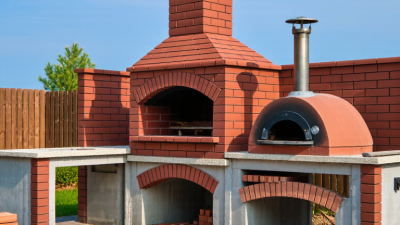
How to Build an Outdoor Brick Fireplace and Pizza Oven?
-
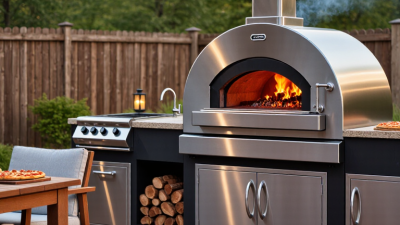
China Best Outdoor Fireplace for Cooking Pizza?
-
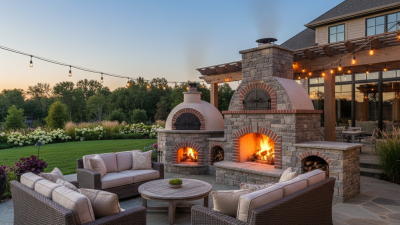
Best Outdoor Fireplace Oven Ideas for Your Backyard?