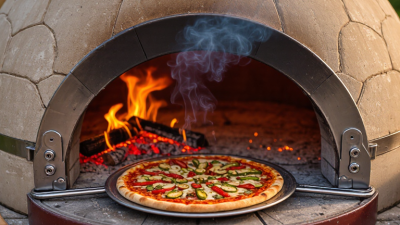
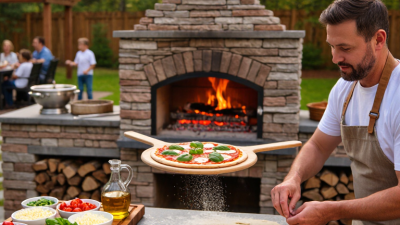
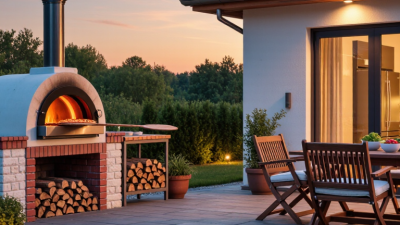
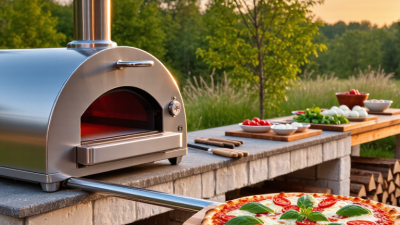
Choosing an outdoor fire and pizza oven is not simply a style decision. It affects cooking results, fuel use, safety, cleaning, and how often you will actually use the oven.
Tom Gozney, founder of Gozney, has said, “I wanted to create a pizza oven that could cook restaurant-quality pizza at home.” That goal remains useful when comparing models. A beautiful oven means little if it heats unevenly or feels difficult to operate. Look closely at heat-up time, maximum temperature, insulation, cooking surface, and fuel options. A small garden may suit a compact gas oven, while a larger patio can support a heavier wood-fired model. Measure the space first. It sounds obvious.
Practical experience matters, too. Check whether the door, stone, and burner are easy to handle with heat-resistant gloves. Ask how quickly the oven cools and whether replacement parts are available. These details often matter more than polished product photographs. Consider chimney placement, nearby walls, weather exposure, and safe storage. Local regulations and manufacturer instructions should always guide installation and use.
One point deserves honest reflection: higher heat does not guarantee better pizza. Dough quality, turning technique, and temperature control still shape the crust. Beginners may burn the first few pizzas. That is normal. The right outdoor fire and pizza oven should make learning manageable, not hide its limitations. This guide explores seven practical tips, helping you choose a reliable oven for relaxed cooking, shared meals, and repeated outdoor use.
Define your cooking goals before comparing ovens. A compact oven may suit weekend pizzas, while a larger model supports bread, vegetables, and slow roasting. Think about how many people you usually serve. Four pizzas require different capacity than two.
Tip 1: Write down your three most common dishes. This prevents impressive features from distracting you. If fast pizza is your priority, check heat recovery and cooking-surface size. If you want live-fire cooking, allow room for logs, tools, and safe handling.
Measure your outdoor space carefully. Include the oven, a stable heat-resistant surface, and enough clearance for movement.
Tip 2: Mark the proposed footprint with cardboard. Leave space behind and beside the oven for ventilation and maintenance. An open patio may work well, but a narrow balcony or enclosed shelter can create serious heat and smoke concerns.
Check the installation instructions and local fire-safety requirements before buying. Weather also matters. Damp conditions can damage unsuitable materials, especially when storage is limited.
Plan the complete cooking station, not only the oven. You may need a prep table, fuel container, ash tools, and covered storage. Keep food preparation away from falling embers.
I once underestimated counter space and carried dough across a crowded patio. It worked, but poorly. That mistake changed how I judge outdoor equipment.
Choose a location with firm flooring, clear visibility, and a practical path from the kitchen. Perfect plans are rare. Careful measurements still prevent expensive frustration.
7 Tips for Choosing an Outdoor Fire and Pizza Oven
My first test is fuel, because flavor, speed, and cleanup change immediately. Wood creates fragrant smoke and intense heat, but it needs dry, properly stored logs. Gas starts quickly and offers steadier adjustment, although it may provide less smoky character. Charcoal can hold strong heat longer, yet ash management takes patience. Check fuel availability near your home before buying. Convenience matters.
Heat control deserves careful attention. Look for responsive vents, readable temperature gauges, and an insulated cooking chamber. A small flame adjustment should produce a noticeable temperature change. I prefer ovens that recover heat quickly after the door opens. Thick stone floors help crisp dough, but they can take longer to preheat. I once underestimated that delay and served pale crusts to hungry guests. That mistake changed my checklist. Measure usable space, not just exterior dimensions. A crowded chamber cooks unevenly.
Cooking performance depends on more than maximum temperature. Ask whether the oven can maintain moderate heat for vegetables, bread, or roasted fish. Test how evenly the floor browns dough from center to edge. A rotating surface can help, but it does not replace attentive turning. Check insulation around handles and doors, especially with children nearby. Read independent user reports and compare maintenance requirements. Some ovens promise dramatic heat, yet offer little control. That is a warning. Choose the fuel and controls that match your actual cooking habits, not an impressive specification sheet.
Comparing fuel types, heat control, and cooking performance
Gas generally heats up fastest, while wood and charcoal provide more traditional flavor but require more active fire management.
Gas and electric ovens offer the most predictable temperature adjustment. Wood and charcoal need airflow, fuel, and fire-position changes to control heat.
At suitable temperatures, pizza typically cooks in about 2–4 minutes. Longer preheating usually improves stone temperature and crust consistency.
Values show representative midpoints from common residential outdoor oven specifications. Actual results vary with insulation, weather, fuel quality, oven size, and cooking technique.
When choosing an outdoor fire and pizza oven, start with cooking space, not exterior shape. A 16-inch surface suits small gatherings, while larger families need room for several pizzas. Measure the patio carefully. Leave safe clearance around hot walls, handles, and the chimney. I once underestimated door height; a thick pizza peel became awkward to use.
Material affects heat behavior and maintenance. Cast iron stores heat well but adds weight. Stainless steel resists moisture and is easier to move, though thin panels may cool quickly. A stone or refractory cooking floor provides steady bottom heat, but it can crack after thermal shock. Inspect seams, hinges, and the door seal. They reveal more than a glossy finish. Check whether replacement stones and basic parts are realistically available.
Insulation deserves close attention. Thick insulation keeps the outside cooler and reduces wasted fuel during windy evening cooking. Touch only designated handles, and follow the oven’s clearance instructions. Durable construction should tolerate repeated heating, cooling, rain, and occasional knocks. Look for protected fasteners, stable legs, and a chimney cap that sheds water. Test the door movement before purchase. A stiff hinge seems minor in a showroom, but it becomes irritating with flour-covered hands. My earlier choice favored a lower price, yet the oven needed more fuel than expected. That mistake changed how I judge efficiency.
Choosing an outdoor fire and pizza oven starts with safety, not appearance. Look for a stable base, protected controls, heat-resistant handles, and a reliable flame shutoff. A spark screen matters when burning wood. Keep children, dry leaves, and furniture well away from the heat. Small gaps become serious problems.
Installation needs careful planning. Place the oven on a level, noncombustible surface that can support its weight. Check the required clearance from walls, roofs, fences, and overhead branches. Gas models need secure connections and proper ventilation. A qualified professional should inspect fixed gas or electrical work. Follow the installation instructions, even when the setup appears simple. I once underestimated how quickly a nearby wooden shelf could heat up. That shortcut was a mistake.
Weather protection also affects performance and safety. Use a fitted, weather-resistant cover only after the oven has cooled completely. Leave space for air movement, since trapped moisture can cause rust, mildew, or damaged controls. In freezing climates, protect water-sensitive parts and inspect the oven after harsh weather. Never light it during strong winds or beneath a low roof. Look for drainage around the base, because standing water can weaken surfaces over time. A sheltered position helps, but it should not block ventilation. My own setup needed a better cover than expected. Rain found every weak seam.
| Tip | What to Check | Practical Guidance | Why It Matters | Good Decision Signal |
|---|---|---|---|---|
| 1. Verify safety features | Look for stable construction, heat-resistant handles, secure doors, ventilation controls, and a spark-management design where applicable. | The oven should remain stable when the door is opened and should allow airflow and heat to be controlled without placing hands directly over the fire. | Open flames, hot surfaces, embers, and escaping sparks can cause burns or ignite nearby materials. | Clear operating instructions, sturdy parts, and accessible controls that can be used safely with heat-resistant gloves. |
| 2. Match the fuel to your needs | Compare wood, charcoal, gas, and dual-fuel models for heat-up time, flavor, storage, cleanup, and local restrictions. | Wood-fired cooking can create live flames and ash; gas models generally offer faster ignition and more predictable temperature control. | Fuel type affects operating effort, ventilation requirements, fire risk, and how consistently the oven reaches cooking temperature. | Choose a fuel that is permitted in your area and practical for how often you plan to cook. |
| 3. Check installation and clearance needs | Review the manual for required clearances from walls, fences, roofs, branches, furniture, and other combustible surfaces. | Install the oven on a level, non-combustible, load-bearing surface. Do not place it under an enclosed roof unless the product is specifically approved for that location. | Adequate spacing reduces heat transfer and helps prevent accidental ignition of nearby materials. | The proposed location meets the manufacturer’s clearance instructions and leaves room for safe loading, unloading, and maintenance. |
| 4. Confirm ventilation and fuel connections | For gas models, inspect hose routing, connector compatibility, regulator requirements, and access to the shut-off valve. For solid fuel, check smoke direction and airflow. | Never use a gas or solid-fuel oven in an enclosed room, garage, tent, or poorly ventilated area because combustion can produce carbon monoxide. | Correct ventilation supports combustion and helps prevent dangerous gas buildup or smoke accumulation. | The installation allows unobstructed airflow, safe hose placement, and quick access to fuel shut-off controls. |
| 5. Evaluate cooking capacity and heat performance | Compare internal cooking area, stone or deck size, insulation, temperature range, preheating time, and recovery after opening the door. | A larger deck can cook more food but usually requires more fuel and space. Insulation helps retain heat and reduces the risk of excessive exterior temperatures. | The right capacity improves cooking consistency without creating unnecessary fuel use or installation demands. | The oven size fits your typical meal volume while leaving safe working space around it. |
| 6. Plan for weather protection | Check whether the oven is designed for outdoor exposure and whether it needs a waterproof, breathable cover, sheltered storage, or winter protection. | Allow the oven to cool completely before covering it. Keep rain and snow away from burners, electrical parts, cooking stones, and unprotected metal surfaces. | Moisture can cause corrosion, damage components, and crack porous cooking materials when trapped or exposed to rapid temperature changes. | The product has a clear storage plan, suitable cover, and a location protected from prolonged rain, snow, and strong winds. |
| 7. Consider cleaning, maintenance, and local rules | Review ash removal, grease management, chimney or vent cleaning, burner inspection, replacement parts, permits, and local fire regulations. | Remove ash only after it is fully cool and place it in a non-combustible container with a lid. Keep the cooking surface free of excess grease and inspect fuel connections regularly. | Routine maintenance reduces fire hazards, supports reliable performance, and helps extend the oven’s service life. | The oven is easy to clean, replacement components are identifiable, and its use complies with local fire, building, and fuel regulations. |
7 Tips for Choosing an Outdoor Fire and Pizza Oven
Choosing an outdoor fire and pizza oven involves more than flame size and cooking temperature. Inspect the door, stone, burner, ash path, and grease-prone surfaces. Removable parts matter. If you cannot reach the corners, maintenance will become tomorrow’s problem. The National Fire Protection Association’s Home Grill Fires report (2023) records an average 11,890 home structure fires involving grills annually from 2017 to 2021. This supports practical safeguards, including stable placement, safe clearances, leak checks, and a fitted cover. The report does not measure pizza ovens specifically, so I would not overstate the comparison.
Accessories should solve real problems. A peel, infrared thermometer, weather cover, and replacement stone are more useful than decorative extras. Check whether each accessory fits the oven’s dimensions. I once underestimated storage space, and damp tools became unpleasant to use. Small design flaws become expensive habits. The Federal Trade Commission advises buyers to read written warranty terms carefully, including coverage periods, exclusions, and repair responsibilities. A long warranty means little if stone damage, corrosion, or outdoor exposure is excluded.
Calculate overall value across several seasons. Include fuel, cleaning tools, replacement parts, delivery, and installation. A cheaper oven may require more frequent stone replacement. A premium model may still disappoint if heating is uneven. Consumer Reports and independent testing guidance consistently emphasize repeatable performance, safety, and usability rather than headline specifications. Test the controls with cold hands. Check the hinge movement. Leave room for error, because outdoor cooking rarely stays perfect.