Best Uses of Fiberboard Medium Density Board for Global Buyers?
In the evolving world of construction and design, Fiberboard Medium Density Board is emerging as a versatile material. Global buyers are discovering its many applications, which include furniture production, cabinetry, and decorative items. This material offers a balance between durability and aesthetics. Its smooth surface makes it ideal for painting and veneering, enhancing creativity in design projects.
However, not all uses of Fiberboard Medium Density Board are straightforward. It's essential to consider factors such as moisture resistance and load-bearing capacity. Those new to this material might underestimate these aspects. Misjudgment can lead to project delays and increased costs. Therefore, understanding the proper applications is crucial for effective use.
Furthermore, while Fiberboard Medium Density Board serves as an affordable substitute for solid wood, it also has limitations. For example, heavy impacts can damage its surface. Buyers must weigh these pros and cons carefully. Experience in working with this material can provide buyers with the insights needed for successful outcomes.
Understanding Fiberboard Medium Density Board: An Overview
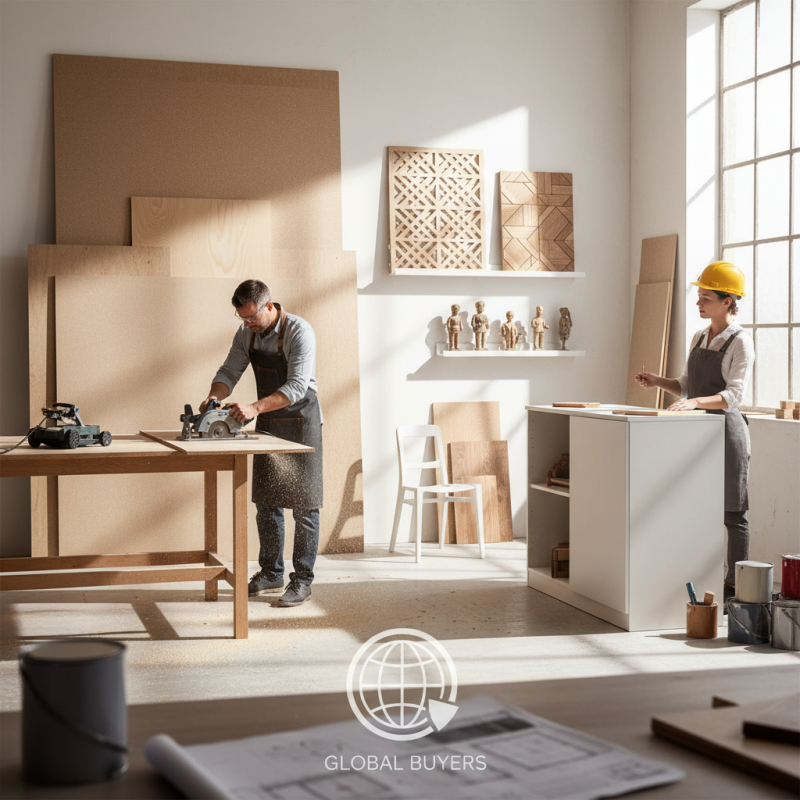
Fiberboard Medium Density Board (MDF) offers versatility for various applications. It's widely recognized for its smooth surface, which is ideal for painting and veneer work. This makes it a favorite among furniture makers and interior designers. The uniform density of MDF ensures consistent performance, reducing the risk of warping or splitting.
In home construction, MDF is often used for cabinetry and moldings. Its lightweight nature makes it easy to handle. This material can also be easily cut to size, providing flexibility in design processes.
However, not all MDF products are created equal. Some can emit volatile organic compounds (VOCs) that may be harmful. It’s essential to select low-VOC options for safe indoor use.
While MDF has many advantages, its susceptibility to moisture is a drawback. It can swell when exposed to water, which limits its use in humid environments. Users should be cautious and consider applying sealants to enhance water resistance. Reflecting on these factors will ensure that buyers make informed decisions when utilizing Fiberboard Medium Density Board.
Key Characteristics of Fiberboard Medium Density Board
Fiberboard Medium Density Board (MDF) has gained popularity due to its unique characteristics. This material is typically smooth and dense, making it an excellent option for furniture and cabinetry. Its even surface allows for easy painting and veneering, which enhances aesthetic appeal. Additionally, MDF is generally more affordable than solid wood, offering a cost-effective solution for various applications.
One key characteristic of MDF is its ease of customization. It can be easily cut, shaped, or drilled without splitting. This flexibility is vital for designers and manufacturers who seek precision in their projects. However, it is important to recognize that excessive moisture can weaken MDF. Using proper sealing techniques is crucial when exposed to humid environments.
Another notable feature of MDF is its eco-friendliness. Many manufacturers use recycled wood fibers. This approach reduces waste and promotes sustainability. Yet, thorough research is necessary to ensure that the sourcing practices align with environmental standards. While individual projects may benefit from MDF's advantages, evaluating its limitations is essential for making informed decisions in design and construction.
Popular Applications of Fiberboard Medium Density Board in Furniture
Fiberboard Medium Density Board (MDF) has become a popular choice in furniture design due to its versatility and affordability. Many furniture makers appreciate MDF for its smooth surface, which is perfect for painting and veneering. It can be easily cut and shaped, allowing designers to create intricate patterns and sturdy pieces. This feature is especially useful for modern furniture styles that require a sleek aesthetic.
In interior applications, MDF serves multiple purposes. It is commonly used in cabinets, shelving, and tabletops. The lightweight nature of MDF makes it easier to handle during construction. Additionally, it can be used in custom furniture designs that require unique dimensions. However, it’s essential to consider the environmental impact. Not all MDF is eco-friendly, so sourcing from sustainable suppliers is crucial.
Tips for using MDF include sealing edges to prevent moisture damage. While MDF is generally resistant to warping, exposure to water can compromise its integrity. Always wear a mask when sanding, as MDF produces fine dust. Lastly, if you plan on painting, using a primer will enhance the finish and durability, ensuring your furniture lasts longer.
Construction Industry Uses of Fiberboard Medium Density Board
In the construction industry, Fiberboard Medium Density Board (MDF) has become increasingly popular. Its versatility is unmatched, making it ideal for various applications. Builders often use it for wall panels, cabinetry, and flooring due to its durability and smooth surface. MDF can also be easily painted, allowing for creative designs. This adaptability helps contractors achieve various looks at an affordable price.
However, there are some challenges to consider. MDF can swell when exposed to moisture, making it unsuitable for areas with high humidity. Careful handling is essential to maintain its integrity. Additionally, while MDF offers great aesthetic appeal, it may lack the structural strength found in plywood. Therefore, understanding its limitations is vital for ensuring project success.
Overall, while Fiberboard MDF presents exciting opportunities in construction, it requires thoughtful application. Balancing its benefits and drawbacks can lead to innovative design solutions. Keeping these factors in mind will help professionals make informed choices in their projects.
Benefits of Fiberboard Medium Density Board for Global Buyers
Fiberboard Medium Density Board (MDF) has gained popularity among global buyers due to its versatility and cost-effectiveness. This engineered wood product is made from wood fibers, wax, and resin, offering a stable and smooth surface. One major benefit is its durability. It resists warping and cracking, making it ideal for furniture and cabinetry. Manufacturers appreciate its ease of cutting and shaping, allowing for intricate designs.
One important tip is to consider the environment when selecting MDF. Look for products that are made from reclaimed or sustainably sourced wood fibers. This not only supports sustainable practices but also ensures a higher quality product. Many buyers overlook the potential off-gassing of formaldehyde used in some MDF. Always seek boards that are CARB-compliant or labeled as low-emission.
Another aspect worth noting is how MDF can absorb moisture. In high-humidity areas, it may swell or lose its shape. Using coatings or paints can help seal the surface. However, it's crucial to use these materials correctly. Improper application can lead to peeling or moisture penetration. Testing a small area first can prevent larger issues down the road. Always prioritize quality over cost when choosing fiberboard products; it will pay off in the long run.
Best Uses of Fiberboard Medium Density Board for Global Buyers
| Application Area | Benefits | Sustainability | Cost Efficiency |
| Furniture Manufacturing | Smooth surface ideal for laminates and veneers | Made from recycled materials | Lower cost compared to solid wood |
| Interior Design | Versatile for custom designs and applications | Reduces waste in construction | Affordable for large-scale projects |
| Cabinetry | Strong and durable for kitchen and bath cabinets | Lower carbon footprint | Cost-effective alternative to plywood |
| Soundproofing | Absorbs sound, ideal for residential and commercial use | Utilizes renewable resources | Reduces overall material costs |
| Packaging | Lightweight and robust for shipping | Biodegradable and recyclable | Minimizes shipping costs due to lightweight |