2026 Top Plastic Cosmetic Bottles for Wholesale Buyers?
Choosing the right Plastic Cosmetic Bottles in 2026 requires more than comparing prices. Wholesale buyers must evaluate material quality, dispensing performance, decoration options, shipping efficiency, and supplier reliability. A bottle may look attractive in a catalog, yet feel too thin in hand or leak during transport. Small details matter. Cap fit matters. So does label adhesion.
This guide examines leading bottle styles for skincare, haircare, body care, and professional beauty products. It considers PET, HDPE, PCR plastic, and other commonly used packaging choices. Each material offers different benefits for clarity, flexibility, durability, and sustainability claims. Experienced buyers should request samples, compatibility testing, production photographs, and clear documentation before placing large orders. Supplier audits can also reveal weaknesses that polished product pages hide.
Practical testing comes first.
A reliable evaluation includes drop testing, closure checks, pump output, and visual inspection under strong light. Buyers should also confirm minimum order quantities, lead times, mold ownership, color tolerances, and export packaging. Requirements can vary by destination market, so regulatory review remains essential. Never rely on a supplier’s environmental wording without evidence.
No shortlist is perfect. Some lightweight bottles may reduce freight costs but feel less premium. Recycled content can support sustainability goals, although color consistency may require compromise. This article offers a careful starting point for comparing wholesale options, while leaving room for product-specific testing and professional advice. The best bottle is not always the cheapest one. It is the one that protects the formula, supports the brand, and performs consistently at scale.
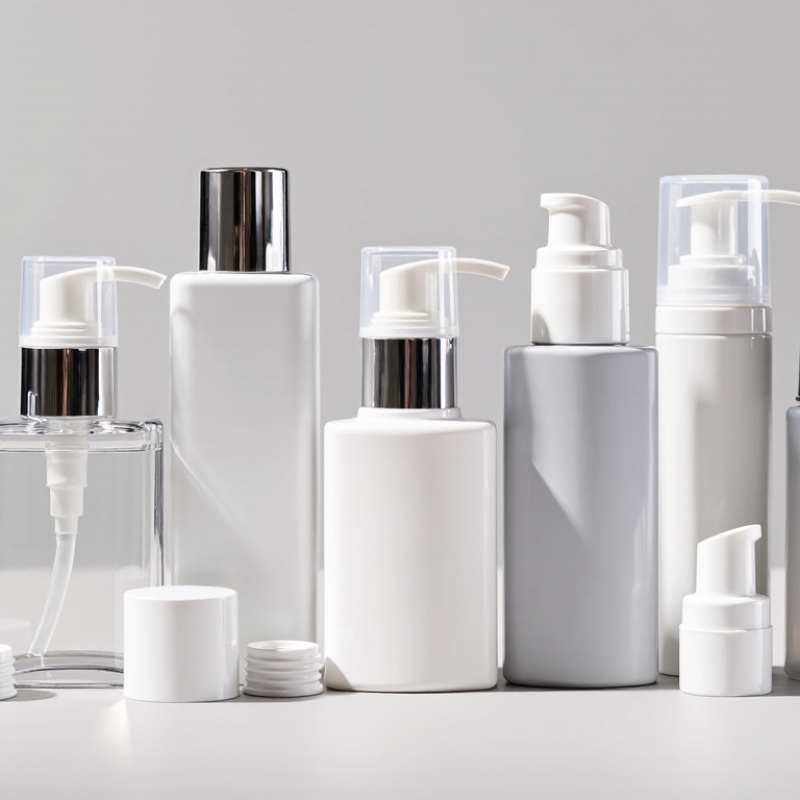
Table of Contents [Hide]
What Are Plastic Cosmetic Bottles and Why Do Wholesale Buyers Need Them?
Plastic cosmetic bottles are containers designed for products such as cleansers, lotions, shampoos, and liquid makeup. They are usually made from PET, HDPE, PP, or recycled plastic. Each material affects clarity, flexibility, chemical resistance, and shipping weight. For wholesale buyers, bottles are more than packaging. They influence product protection, filling speed, shelf presentation, and total logistics cost.
Grand View Research estimated the global cosmetic packaging market at about USD 32 billion in 2023, with continued growth expected through 2030. Smithers also reports rising demand for lightweight and recyclable packaging across consumer goods. These figures show why wholesale buyers need consistent bottle supply. A stable neck size supports compatible pumps and caps. Accurate wall thickness reduces leakage and deformation. However, recycled content may affect color, odor, or material consistency. That trade-off deserves testing, not assumptions. A cheaper bottle can become expensive after damaged shipments or slow filling.
Tips: Request samples before approving bulk production. Test filled bottles under heat, pressure, and transport conditions. Check resin type, recycled content, capacity tolerance, and closure compatibility. Ask for batch records and quality inspection details. Clear documentation supports reliable purchasing. Small details matter. Yet, sustainability claims should be verified through supplier evidence, not attractive wording alone.
| No. | Plastic Cosmetic Bottle Type | Common Capacity Range | Typical Plastic Material | Best-Suited Cosmetic Products | Key Wholesale Advantages | Important Buying Specifications |
|---|---|---|---|---|---|---|
| 1 | Standard Lotion Bottle | 100–500 mL | HDPE, PET, or PP | Body lotion, hand cream, liquid soap, shampoo, conditioner | Versatile Easy to label Suitable for retail sizes | Check shoulder shape, wall thickness, dispensing opening, closure compatibility, and filled-product viscosity. |
| 2 | Pump Dispenser Bottle | 100–500 mL | PET, HDPE, or PP | Liquid foundation, lotion, serum, cleanser, body wash | Controlled dispensing Convenient use Premium presentation | Specify pump output per stroke, dip-tube length, lock mechanism, spring material, and compatibility with the formula. |
| 3 | Fine-Mist Spray Bottle | 30–200 mL | PET, HDPE, or PP | Facial mist, toner, fragrance mist, hair spray, sanitizing spray | Fine atomization Travel-friendly Good for lightweight formulas | Evaluate spray pattern, dosage per actuation, closure fit, dip-tube length, and resistance to alcohol-containing formulas. |
| 4 | Flip-Top Squeeze Bottle | 50–300 mL | LDPE, HDPE, or PP | Shampoo, conditioner, shower gel, cleansing cream, sunscreen | Low-cost format Easy product access Suitable for viscous products | Confirm squeeze flexibility, cap hinge durability, orifice size, leak resistance, and compatibility with inverted storage. |
| 5 | Dropper Bottle | 10–100 mL | Glass-like PET, HDPE, or PP | Facial serum, essential-oil blends, concentrates, liquid treatments | Precise dosing Suitable for small volumes Premium appearance | Specify dropper dosage, bulb material, pipette length, neck finish, seal design, and light-protection requirements. |
| 6 | Airless Pump Bottle | 15–150 mL | PP, PET, or multilayer plastic | Anti-aging cream, eye cream, serum, sensitive-skin formulations | Reduced air exposure Low residual product Hygienic dispensing | Test priming performance, evacuation rate, piston movement, dosage consistency, and compatibility with high-viscosity formulas. |
| 7 | Travel Cosmetic Bottle | 30–100 mL | LDPE, HDPE, PET, or PP | Travel shampoo, lotion, cleanser, conditioner, liquid makeup | Compact Lightweight Suitable for trial sizes | Check portability, leak prevention, cap security, airline liquid-volume requirements, and label area. |
| 8 | Foaming Pump Bottle | 50–300 mL | PET, HDPE, or PP | Foaming facial cleanser, hand wash, body wash, baby-care cleansers | Creates foam from liquid Efficient dispensing Consumer-friendly | Use a suitably low-viscosity formula and verify foam quality, pump output, mesh performance, and closure durability. |
| 9 | Recycled-Content Cosmetic Bottle | 50–500 mL | PCR PET or PCR HDPE blend | Shampoo, body wash, lotion, cleanser, hair-care products | Supports recycled-content goals Suitable for high-volume products Multiple decoration options | Request verified recycled-content percentage, color consistency, odor assessment, migration testing, and applicable regulatory documentation. |
| 10 | Opaque Protective Bottle | 30–500 mL | HDPE, PP, or colored PET | Light-sensitive serums, active ingredients, hair treatments, essential-oil products | Light protection Durable Good for shipping | Assess light-transmission performance, chemical resistance, stress-crack resistance, closure seal, and product shelf-life requirements. |
Wholesale buyer checklist: Confirm capacity tolerance, bottle weight, neck finish, closure compatibility, material grade, leak-test results, decoration method, carton packing, shipping dimensions, sample approval, and applicable packaging regulations. Actual performance depends on the bottle design, plastic grade, manufacturing process, closure system, and cosmetic formula.