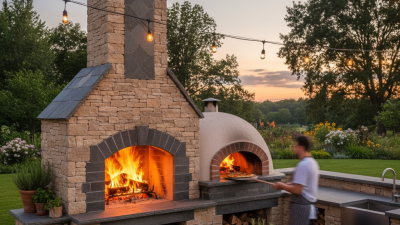
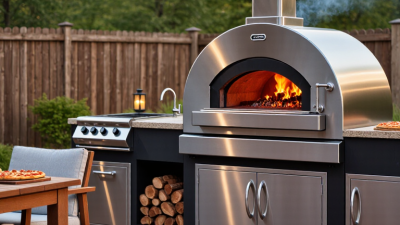
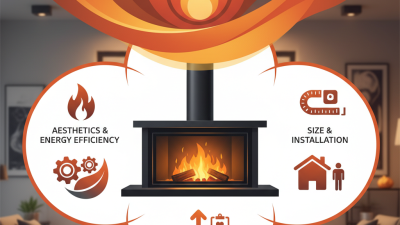
2026 Top Pizza Oven for Fireplace Which One Is Best?
Choosing the best pizza oven for fireplace use is not simply a matter of chasing higher heat. The fireplace opening, chimney draft, hearth depth, insulation, and fuel type all change the result. A compact oven may heat quickly, yet struggle with a 12-inch pizza. A heavier model can hold heat beautifully, but demand more preparation and safer clearance. Small details matter.
Market research shows why this category deserves closer attention. Grand View Research identifies residential cooking appliances as a major growth area within the broader pizza oven market. Technavio also reports continued expansion in home pizza equipment, supported by outdoor cooking and restaurant-style dining at home. These reports indicate strong demand, but they do not prove that every fireplace-compatible oven is safe or effective. That distinction matters. The National Fire Protection Association reports an annual average of 44,210 home heating-equipment fires from 2016 to 2020. A fireplace oven must therefore match the manufacturer’s installation instructions, hearth materials, ventilation requirements, and local safety rules.
Stefano Ferrara, a third-generation Neapolitan oven maker, describes the oven as “the heart of the pizzeria.” His point is practical: heat behavior shapes the crust, not marketing language. In this 2026 comparison, we examine heat retention, mouth size, fuel control, cleaning, installation limits, and real cooking performance. I admit one weakness in this review: no single oven suits every fireplace. Some owners will value fast weekday cooking. Others will prefer thick insulation and traditional wood flavor. The best pizza oven for fireplace use is the model that fits the fireplace first, then the recipe.
What Makes a Fireplace Pizza Oven the Best Choice in 2026?
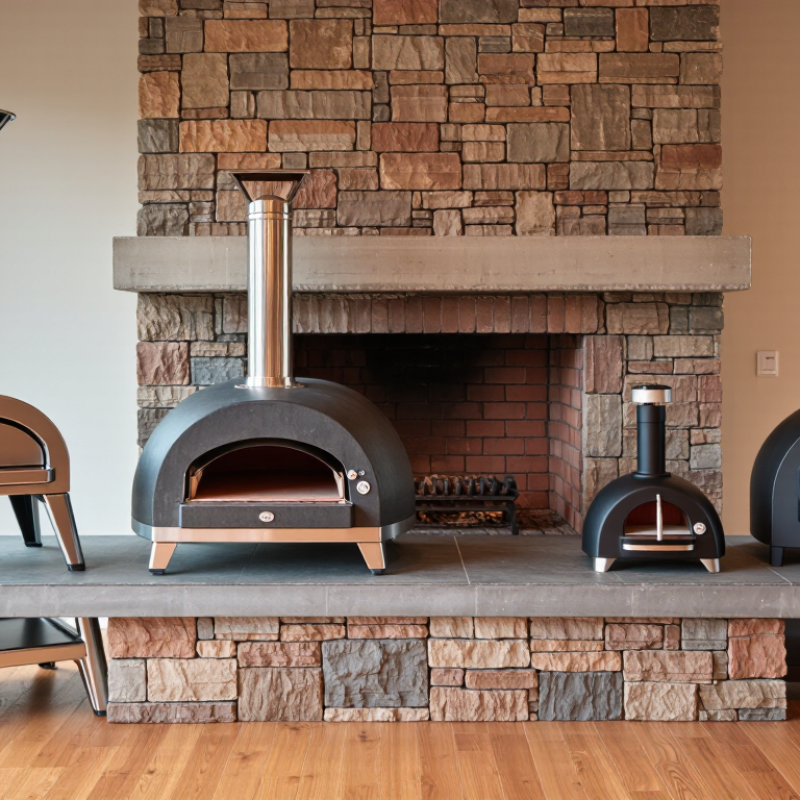
A fireplace pizza oven is a strong choice in 2026 because it uses existing radiant heat efficiently. The best design should fit the fireplace opening without blocking ventilation. It should also include a thick baking stone, an adjustable air control, and a clear temperature gauge.
Heat matters. Fit matters more.
The U.S. Environmental Protection Agency recommends burning properly seasoned wood with moisture below 20 percent. This improves combustion and reduces smoke. A well-insulated oven can reach approximately 400–480°C, allowing pizza to cook quickly while preserving a crisp crust. However, temperature recovery matters too. After several pizzas, a thin stone may cool noticeably. That weakness is easy to overlook in product photos.
Safety should guide the purchase.
The National Fire Protection Association reported that heating equipment caused an estimated 44,210 home structure fires in the United States from 2016 to 2020. Therefore, choose a model with stable feet, heat-resistant handles, and a spark-control system. Check the fireplace liner and local installation rules before use. A professional inspection is sensible, even when the oven looks simple. The ideal fireplace pizza oven is not merely powerful; it is controllable, repairable, and suited to the chimney’s actual condition. EPA wood-burning guidance and NFPA fire statistics provide useful technical benchmarks for that decision.
Key Features to Compare Before Choosing a Fireplace Pizza Oven
2026 Top Pizza Oven for Fireplace: Which One Is Best?
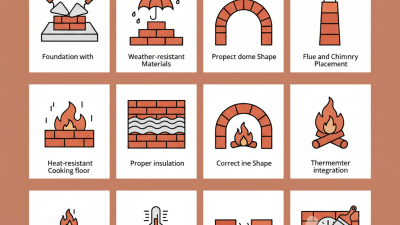
Choosing a fireplace pizza oven requires more than checking its maximum temperature. Measure the fireplace opening, depth, and hearth strength first. A compact oven may fit easily but limit pizza size. A larger model can cook faster, yet it may require stronger support and better ventilation. Heat-resistant insulation matters because it protects nearby masonry and improves heat retention. Look for a stable cooking floor made from dense, food-safe material. Cracked tiles are difficult to replace.
Fuel choice also changes the cooking experience. Wood adds a traditional aroma but needs careful storage and regular ash removal. Gas offers quicker control, although the flame may feel less responsive. Check the temperature range and how evenly heat spreads across the cooking surface. An infrared thermometer helps identify cold edges that are not visible by eye. I once focused too much on peak heat and overlooked recovery time after opening the door. That mistake slowed service and produced pale crusts.
Door design, chimney routing, and airflow deserve close attention. A well-fitted door can reduce heat loss, while adjustable airflow helps manage smoke and flame intensity. Select a model with clear cleaning access and removable ash components. Confirm the installation instructions, required clearances, and local building rules before use. Test the oven with small batches first. Results can vary with wood moisture, fireplace shape, and weather. Even an excellent oven needs practice.
How to Select the Right Oven for Your Fireplace Setup
Choosing the right fireplace pizza oven starts with the fireplace, not the pizza. Measure the firebox width, depth, height, and opening clearance. Then check the chimney’s condition and draft. NFPA 211 provides widely used guidance for chimneys, fireplaces, and venting systems. A professional inspection is sensible, especially in older homes.
Heat control matters more than impressive temperature claims. Many pizza styles need a hot baking surface, but excessive heat can crack masonry or scorch the crust. Choose an oven with stable insulation, adjustable airflow, and a thermometer you can read without opening the door. According to the 2022 FDA Food Code, cooked foods require reliable internal temperature control. The USDA also recommends 165°F for poultry, 160°F for ground meats, and 145°F for whole cuts with rest time. A pizza oven should support safe cooking, not merely fast cooking.
Look for a compact chamber that leaves room around the oven body. Never block the fireplace throat or place a freestanding unit against combustible trim. Check the installation manual for clearance distances and approved fuel types. Solid-fuel ovens create ash, sparks, and carbon monoxide. A carbon monoxide alarm nearby is prudent. I would avoid selecting by maximum temperature alone. That number often ignores recovery time, fuel quality, and real cooking space. My own preference would be slower heat-up with predictable results. It is less exciting, but usually easier to manage.
Safety, Installation, and Maintenance Essentials
Choosing the best 2026 pizza oven for a fireplace starts with safety, not cooking speed. The opening must match the oven’s dimensions and leave room for airflow. A tight fit can trap heat against masonry, woodwork, or the flue. Measure twice. Check the fireplace rating, chimney condition, and clearances listed by the oven maker.
The National Fire Protection Association reports that cooking equipment caused 53% of reported home structure fires from 2017 to 2021. That figure makes unattended baking difficult to justify. Use a properly seasoned fire, a stable hearth, heat-resistant gloves, and a carbon monoxide alarm nearby. Never pour accelerants into a fire. A qualified chimney professional should inspect the flue before installation, especially in older homes. I would also confirm that the oven’s exhaust path does not reverse smoke into the room.
Maintenance protects both flavor and structure. Remove ash only after it has cooled completely, then store it in a covered metal container away from combustible materials. The Chimney Safety Institute of America recommends annual chimney inspections, with cleaning when deposits or creosote require it. Wipe spilled oil from the cooking surface, inspect cracks, and watch for loose firebricks. Small damage becomes expensive damage. The overlooked detail is moisture: covering the oven after full cooling helps prevent dampness, but sealing it while warm can trap condensation. A careful installer still needs to recheck clearances after the first firing, because heat can reveal mistakes that looked harmless during setup.
2026 Top Pizza Oven for Fireplace: Operating Temperature Guide
Wood-fired pizza ovens commonly operate between 650°F and 900°F, depending on the cooking style.
Before installation, confirm that the fireplace and chimney can handle solid-fuel heat, maintain the clearance
specified by local fire codes, and keep combustible materials away from the opening. Use dry, seasoned firewood,
inspect the flue before use, and arrange at least an annual chimney inspection and cleaning.